Dengue Crisis Deepens in Sri Lanka as Case Numbers Double, Hospitals Under Pressure
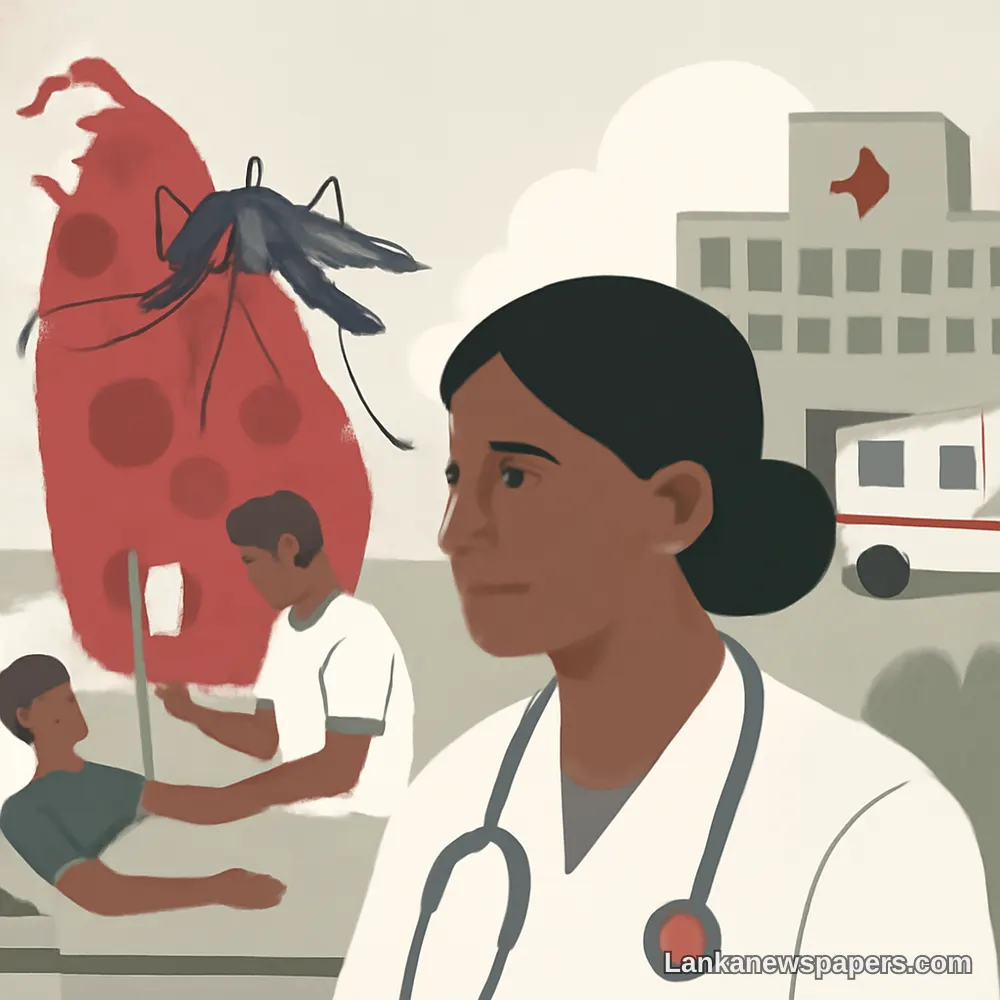
Surge in Dengue Cases Pushes Health System to Its Limits
Sri Lanka is grappling with a rapidly worsening dengue fever outbreak, with reported cases this year having already doubled compared to the same period last year, placing enormous strain on hospitals across the island.
Health authorities are struggling to keep pace with the sharp rise in patient numbers, as wards in both government and provincial hospitals fill up with dengue-infected individuals seeking treatment. Medical staff are working under significant pressure as the volume of admissions continues to climb.
A Growing Public Health Emergency
Dengue fever, transmitted through the bite of the Aedes aegypti mosquito, is a recurring seasonal threat in Sri Lanka. However, the scale of this year's outbreak has raised serious alarm among health officials, with the doubling of case numbers signalling an unusually severe transmission season.
The disease presents with high fever, severe joint and muscle pain, and in its more dangerous form — dengue haemorrhagic fever — can lead to life-threatening complications if not treated promptly.
Hospitals Stretched Across the Country
Reports indicate that healthcare facilities in multiple districts are operating beyond their comfortable capacity, with some hospitals improvising additional bed arrangements to accommodate the influx of patients. The situation is particularly acute in areas known to be high-risk dengue zones.
The doubling of dengue cases compared to last year has put considerable stress on hospital resources, medical personnel, and the broader public health infrastructure.
Prevention Remains the Key Message
Public health authorities continue to urge communities to take active steps in eliminating mosquito breeding grounds. Key preventive measures include:
- Removing stagnant water from containers, flowerpots, and discarded items around homes
- Using mosquito repellents and protective clothing, especially during dawn and dusk
- Ensuring water storage containers are properly covered at all times
- Seeking immediate medical attention upon experiencing fever and other dengue symptoms
Residents are being urged not to delay hospital visits if symptoms develop, as early medical intervention significantly improves outcomes for dengue patients.
Calls for Coordinated Response
The worsening situation has prompted calls for a more coordinated national response, with health professionals emphasising the need for increased public awareness campaigns, stronger vector control operations, and adequate resourcing of hospitals to manage the ongoing crisis. Officials are continuing to monitor the outbreak closely as the country moves further into the high-risk season.



💬 Join the Discussion 3
See what readers are saying — and add your view.
My cousin admitted to Colombo hospital last week, ward is full no space
Every year same story, goverment does nothing until ppl start dying
exactly, only talk no action as usual