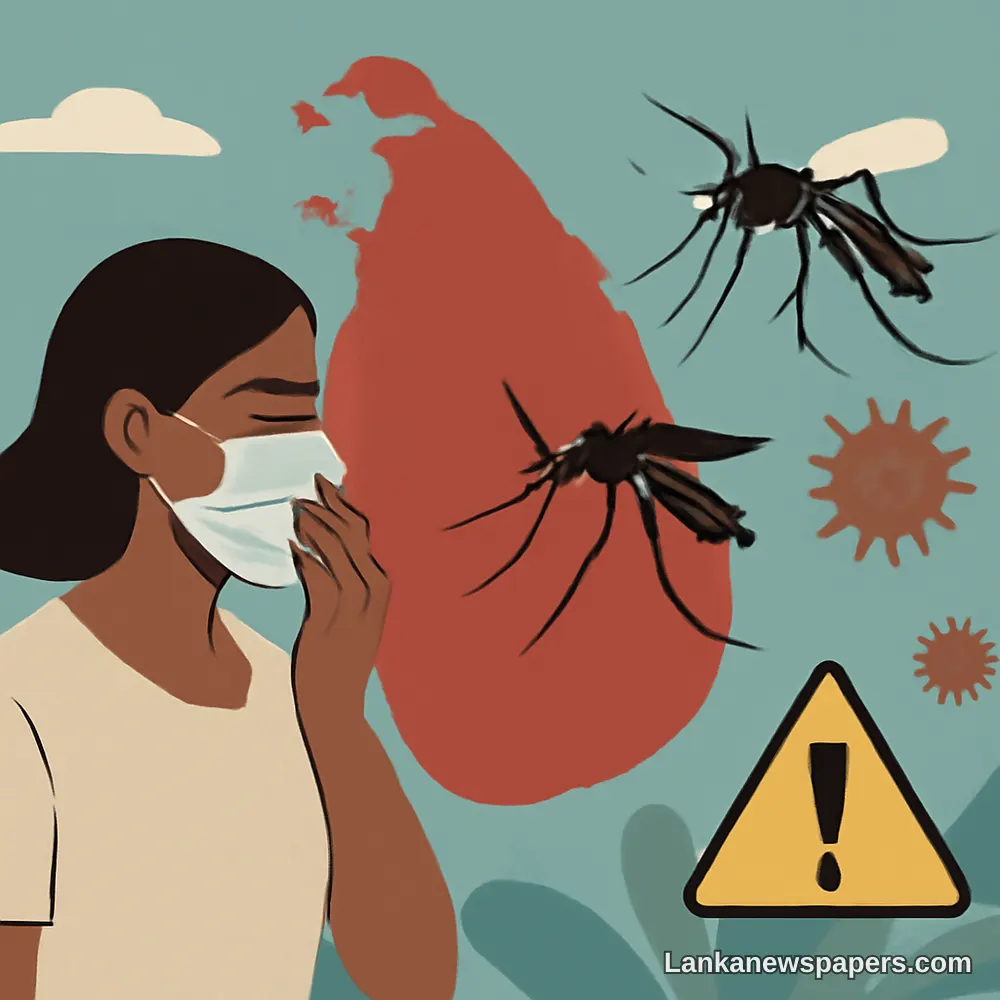
Sri Lanka is confronting a fresh public health challenge as a new strain of dengue fever has been identified, triggering concerns among health authorities and medical professionals across the island.
A Familiar Threat in a New Form
Dengue fever has long been a seasonal burden for Sri Lanka, but the emergence of a new strain has raised the stakes considerably. Health officials are urging the public to remain vigilant as the outbreak develops, warning that this variant may behave differently from strains that communities have previously encountered.
Sri Lanka has historically recorded significant dengue outbreaks during and after monsoon seasons, when stagnant water creates ideal breeding conditions for the Aedes aegypti mosquito, the primary carrier of the dengue virus. The arrival of a new strain adds an additional layer of complexity to an already persistent problem.
What the Public Should Know
Medical experts continue to emphasise the importance of early detection and prevention. Key warning signs of dengue infection include:
- High fever that comes on suddenly
- Severe headaches and pain behind the eyes
- Joint and muscle pain
- Skin rashes
- Nausea and vomiting
Prevention Remains the First Line of Defence
Authorities are calling on households and communities to eliminate potential mosquito breeding grounds by clearing blocked drains, disposing of containers that collect rainwater, and ensuring proper waste management practices are followed consistently.
Anyone experiencing symptoms associated with dengue fever is strongly advised to seek medical attention promptly rather than attempting to self-medicate, as the condition can deteriorate rapidly without proper clinical care.
The Ministry of Health is expected to provide further updates as the situation is closely monitored nationwide.


💬 Join the Discussion 1
See what readers are saying — and add your view.
every year same story, goverment does nothing until ppl start dying