Used Car Prices Set to Climb as Sri Lanka Scraps 15% Valuation Discount, Warns Importers
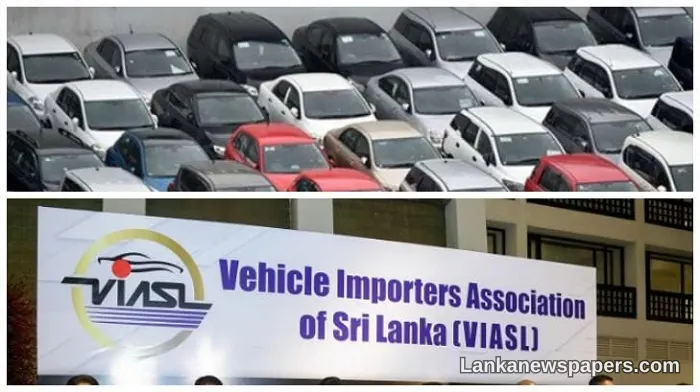
The Vehicle Importers Association of Sri Lanka (VIASL) has issued a stark warning that prices of imported used vehicles are poised to increase significantly following the removal of a 15% valuation reduction that had previously been applied to such vehicles.
What Is Changing?
The 15% reduction on the assessed customs valuation of used vehicles had served as a form of relief for importers, effectively lowering the taxable base upon which duties and levies were calculated. With this concession now removed, the full valuation will be used when computing import-related charges, directly inflating the landed cost of used vehicles entering the country.
Impact on Vehicle Prices
According to the VIASL, the knock-on effect for consumers will be considerable. As importers face higher costs at the point of clearance, those additional expenses are expected to be passed on to buyers in the retail market. Sri Lankans looking to purchase affordable used vehicles — a segment that has grown in popularity given the economic pressures of recent years — may find themselves priced out of options they could previously afford.
- Import duties and taxes will now be calculated on the full assessed value of used vehicles
- Retail prices for used imported vehicles are expected to rise as a result
- Budget-conscious consumers and first-time car buyers are likely to be the most affected
Industry Concerns
The VIASL has called on relevant authorities to reconsider the policy change, arguing that it could dampen demand in an import sector that is only gradually recovering after Sri Lanka's foreign exchange crisis severely restricted vehicle imports in recent years.
The removal of the 15% valuation reduction will directly translate into higher prices for the end consumer, at a time when household budgets remain under significant strain.
The association stressed that used vehicle imports play a critical role in meeting the country's transportation needs, particularly for middle-income families who cannot afford brand-new cars. Any sharp rise in prices, they argue, risks pushing buyers toward the unregulated second-hand market or leaving them without access to personal transport altogether.
Broader Context
Sri Lanka has been gradually easing import restrictions that were imposed during the peak of its economic crisis, and the vehicle import sector has been among those slowly returning to normalcy. However, successive adjustments to duty structures and valuations have kept the cost of vehicle ownership elevated. The latest change is expected to add further pressure on an already cost-burdened consumer base.
Industry stakeholders are urging the government to weigh the revenue considerations of the valuation policy against its wider impact on affordability and the recovering automotive trade sector.



💬 Join the Discussion 0
Be the first to share your view on this story.