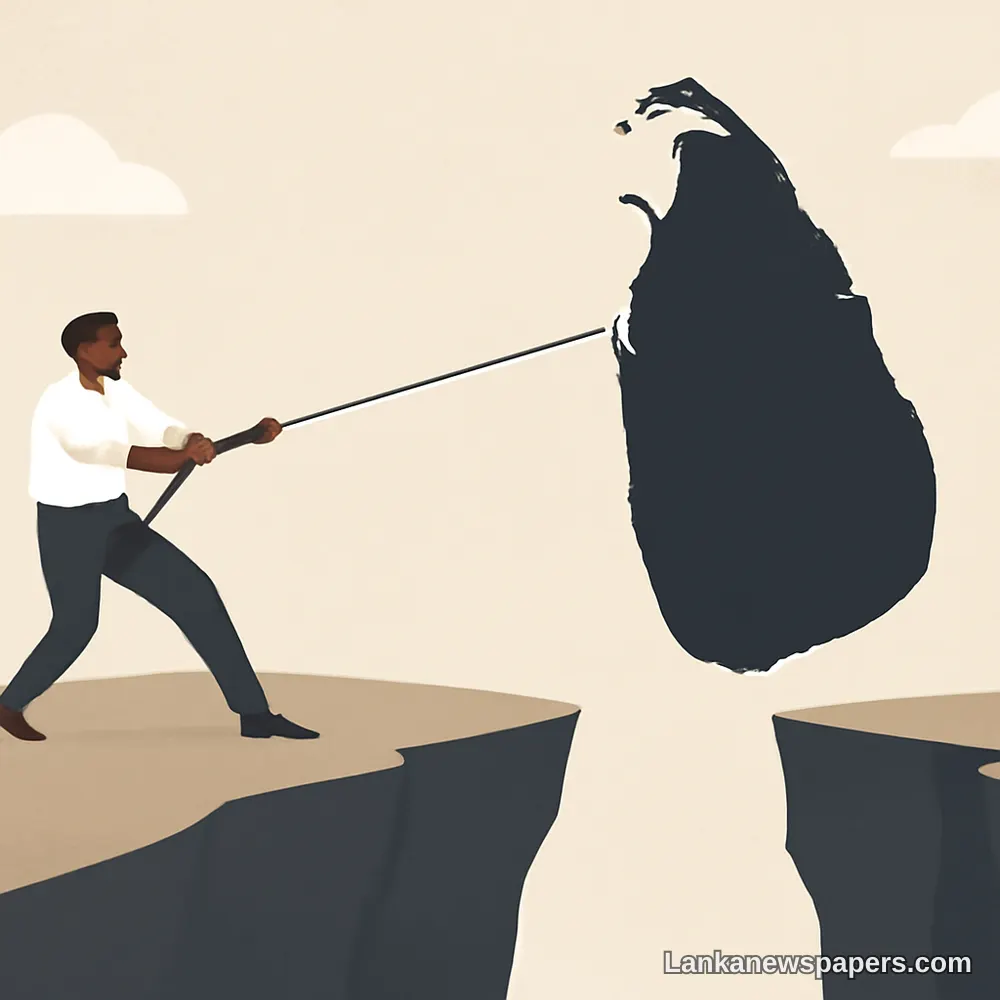
Three years after Sri Lanka descended into its worst economic crisis since independence, the island nation finds itself at a crossroads — showing genuine signs of recovery while still grappling with the deep scars left by a collapse that brought millions to their knees.
A Crisis That Shook a Nation
In 2022, Sri Lanka made global headlines for all the wrong reasons. Foreign exchange reserves had virtually dried up, fuel queues stretched for kilometres, medicine disappeared from hospital shelves, and widespread power cuts paralysed daily life. The crisis culminated in an extraordinary moment of public fury, with protesters storming the presidential residence and forcing then-President Gotabaya Rajapaksa to flee the country and resign.
The scale of the collapse was staggering. Inflation soared to record highs, the Sri Lankan rupee lost more than half its value against the US dollar, and the government was forced to declare an unprecedented sovereign debt default — unable to service its foreign debt obligations for the first time in its history.
Stabilisation and the IMF Lifeline
The turning point came with Sri Lanka securing a bailout programme from the International Monetary Fund, which provided a critical financial lifeline and helped restore a measure of confidence among international creditors. The programme came attached to demanding conditions, including steep tax increases, reductions in government spending, and wide-ranging structural reforms — measures that placed additional pressure on ordinary Sri Lankans even as they helped steady the macroeconomic ship.
Since then, several key economic indicators have moved in a more encouraging direction. Inflation, which had rocketed past 70 percent at its peak, has been brought down substantially. Foreign exchange reserves have been rebuilt to more manageable levels, and the rupee has found greater stability. The country has also made significant progress in restructuring its bilateral and commercial debt.
The Human Cost Remains
Yet behind the improved headline numbers, the lived reality for many Sri Lankans remains difficult. The cost of living remains dramatically higher than it was before the crisis, and wages for a large portion of the workforce have not kept pace. Poverty levels rose sharply during the crisis years, and social mobility for lower-income households has been severely constrained.
- Household debt burdens have increased significantly across the country
- Youth unemployment and emigration of skilled professionals continue to pose structural challenges
- Public services, including healthcare and education, are still feeling the strain of reduced government expenditure
- Small and medium enterprises that collapsed during the crisis have not all been able to recover or reopen
Political Transition and New Expectations
The election of President Anura Kumara Dissanayake in late 2024 brought a new political dynamic to the recovery process. His administration inherited both the progress made under the IMF programme and the unresolved social pain that the austerity measures had deepened. There is considerable public expectation that the government will pursue a recovery path that distributes its benefits more equitably.
The question Sri Lankans are asking is not simply whether the economy has stabilised — but whether the recovery is one they can actually feel in their own lives.
The Road Ahead
Economists and analysts broadly agree that while Sri Lanka has avoided the complete freefall that once seemed possible, a full and sustainable recovery remains a work in progress. Continued adherence to fiscal discipline, progress on structural reforms, and a revival of tourism and export earnings will all be essential ingredients in the years ahead.
For a country that has demonstrated remarkable resilience, the challenge now is to translate macroeconomic stabilisation into genuine improvements in living standards — ensuring that the painful lessons of 2022 lead not just to a recovered economy on paper, but to a more stable and just one in practice.


💬 Join the Discussion 0
Be the first to share your view on this story.