Kremlin Connections: How a Former Spy Chief, a Rapper and Sri Lankan Activists Are Linked to Russian Influence Operations
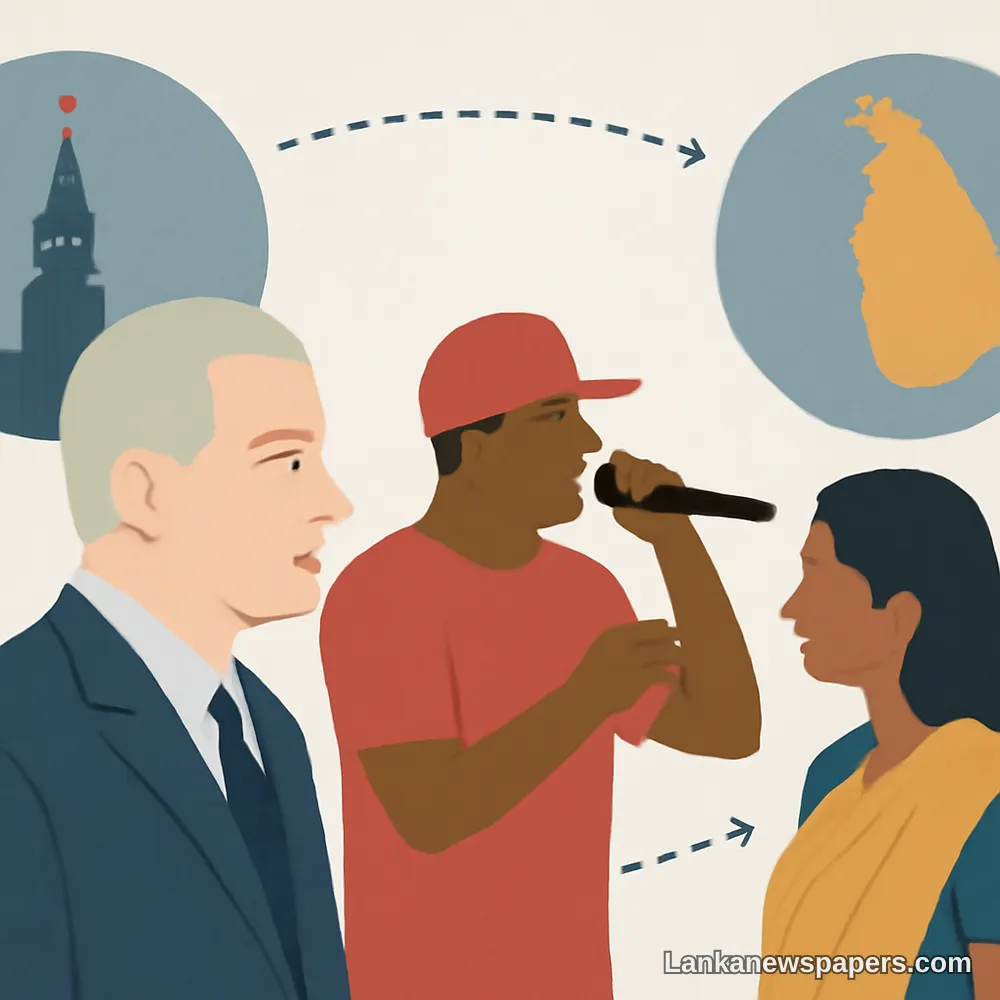
An unusual cast of characters — a former intelligence chief, an international rap artist, and a group of Sri Lankan individuals described as "anti-government activists" — has emerged at the centre of a growing conversation about Russian influence networks operating across the globe, including in South Asia.
An Unlikely Alliance
At first glance, the figures appear to have little in common. Yet investigators and analysts tracking foreign interference operations have drawn connections between these disparate individuals, suggesting they may form part of a broader coordinated effort linked to Russian state interests.
The network allegedly involves former intelligence operatives with ties to Moscow, celebrity figures who have publicly aligned themselves with pro-Kremlin narratives, and activists in countries like Sri Lanka who have amplified messaging consistent with Russian foreign policy objectives — often without their audiences being aware of the external backing.
Sri Lanka's Role in the Picture
For Sri Lanka, the revelations carry particular weight. Several individuals identified as anti-government activists operating within the island's political landscape have reportedly been linked to this wider network. These activists, who positioned themselves as voices of grassroots dissent, are alleged to have connections to influence campaigns that serve foreign agendas rather than purely domestic concerns.
This raises serious questions about the integrity of political discourse in Sri Lanka, especially in the aftermath of the 2022 public uprising, which drew widespread local and international attention.
Disinformation as a Tool
Experts warn that influence operations of this nature typically exploit moments of national vulnerability — economic crises, political instability, and public distrust of institutions — to inject narratives that deepen divisions and erode confidence in democratic processes.
Foreign influence operations do not always arrive with obvious fingerprints. They work through local voices, local grievances, and local platforms — making them far harder to detect and counter.
The use of cultural figures such as musicians and entertainers is also a well-documented tactic. By lending credibility and reach to particular narratives, such personalities can dramatically expand the audience for messaging that might otherwise be dismissed as overt propaganda.
Broader Implications
The alleged network underscores a growing challenge faced by governments and civil societies worldwide: distinguishing genuine political dissent from manufactured agitation driven by foreign powers. Sri Lanka, still navigating its path to economic and political recovery, is not immune to these pressures.
- Former intelligence officials have been identified as key nodes in facilitating connections between foreign sponsors and local actors.
- Social media platforms have played a central role in amplifying the messaging of those allegedly involved.
- Financial flows linked to influence operations remain difficult to trace, adding complexity to investigations.
As awareness of such operations grows internationally, Sri Lankan authorities and civil society organisations face increasing pressure to scrutinise the funding, affiliations, and messaging of groups claiming to represent the public interest — particularly those with outsized online presences and unclear sources of support.
The full extent of the network, and the precise roles played by each of the individuals identified, remains under active examination by researchers and journalists monitoring foreign interference across the Indo-Pacific region.

💬 Join the Discussion 3
See what readers are saying — and add your view.
which rapper though? this is the real question
so our "activists" were working for Russia this whole time? not surprised honestly
dont jump to conclusions, article just says linked, not confirmed agents