Sri Lanka's Economic Crossroads: Why Debt Restructuring Alone Won't Secure the Nation's Future
A Critical Moment Demanding More Than Financial Fixes
Sri Lanka has cleared one of the most daunting hurdles in its recent economic history by advancing through a landmark debt restructuring process. Yet analysts and policymakers are increasingly sounding a cautionary note: restructuring sovereign debt, while essential, is merely the beginning of a far longer and more demanding journey toward genuine economic renewal.
The Limits of Debt Relief
Restructuring agreements with bilateral and commercial creditors have provided Sri Lanka with critical breathing space, easing the immediate pressure on government finances and helping stabilise the country's foreign reserves. However, experts warn that this window of relative calm is narrow, and the opportunity it presents must not be squandered on short-term relief alone.
Without bold structural reforms running in parallel, the country risks sliding back into the same cycle of fiscal imbalance and external vulnerability that brought it to the brink of collapse in 2022.
What a Real Economic Reset Requires
A genuine and lasting economic transformation for Sri Lanka would need to address several deep-rooted weaknesses that debt relief cannot resolve on its own. These include:
- Broadening the tax base and improving revenue collection to reduce chronic fiscal deficits
- Reforming state-owned enterprises that continue to drain public resources
- Attracting sustained foreign direct investment through improved governance and regulatory frameworks
- Diversifying export earnings beyond traditional sectors to reduce vulnerability to global shocks
- Strengthening social protection systems to ensure economic recovery benefits all segments of society
Time Is Not on Sri Lanka's Side
The post-restructuring period offers a unique political and economic environment in which difficult decisions carry greater public legitimacy. Citizens who witnessed the devastating consequences of economic mismanagement are, for now, more receptive to painful but necessary reforms. This political capital, however, will not last indefinitely.
As living conditions gradually improve and the acute memory of fuel queues and medicine shortages fades, the appetite for reform is likely to diminish. Vested interests that resisted change before the crisis have not disappeared, and they will reassert themselves as normalcy returns.
The IMF Programme: A Framework, Not a Guarantee
Sri Lanka's ongoing International Monetary Fund programme provides a structured framework for reform and has been instrumental in restoring creditor confidence. But the IMF's conditions alone cannot drive transformation. Domestic political will, institutional capacity and consistent policy execution are equally vital ingredients that no external programme can substitute.
The difference between countries that successfully used debt restructuring as a springboard and those that returned to crisis within a decade often came down to whether they treated the breathing space as an opportunity or simply as a reprieve.
A Generation-Defining Choice
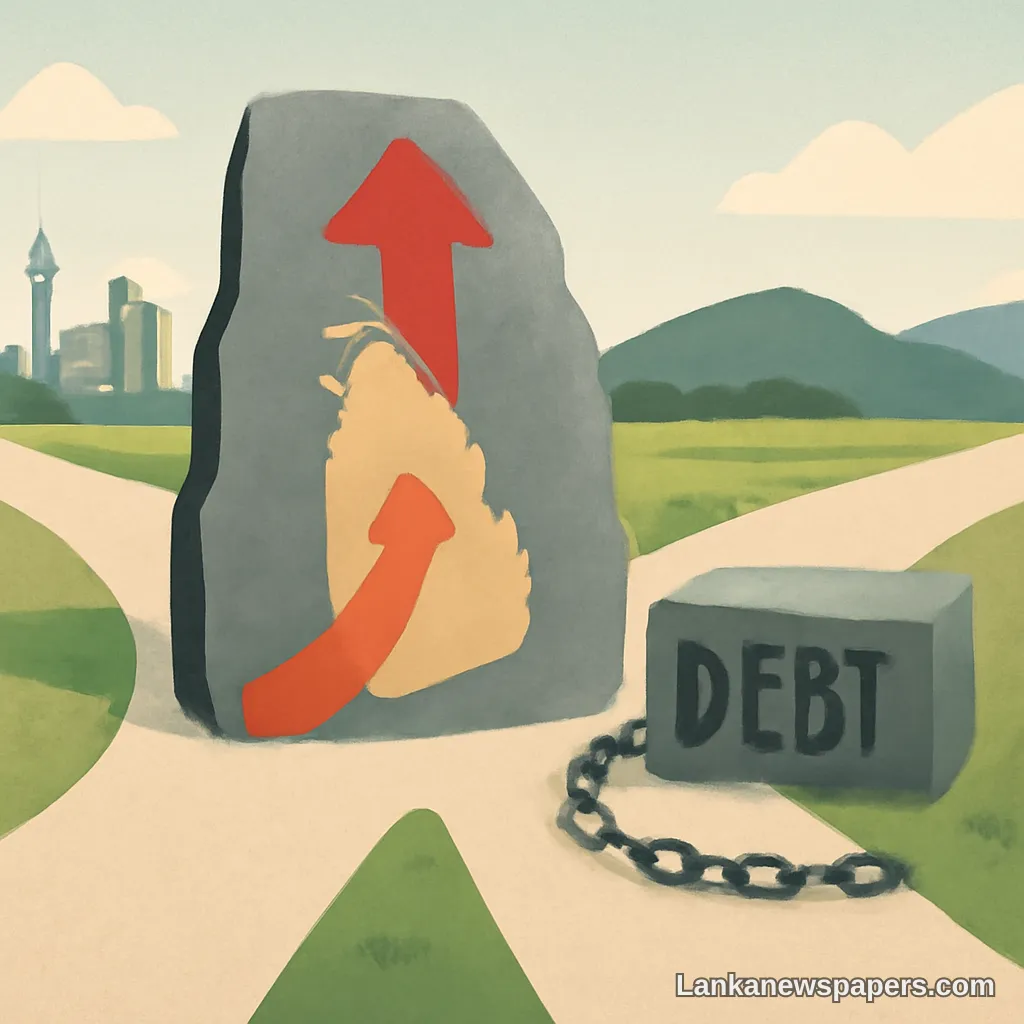
For Sri Lanka's policymakers, the current moment represents a generation-defining choice. The country can pursue the path of least resistance — stabilising just enough to satisfy creditors and voters in the short term — or it can commit to the harder, longer work of rebuilding its economy on a fundamentally sounder footing.
The decisions made in the coming months and years will determine whether Sri Lanka emerges from its worst economic crisis in modern history as a more resilient and competitive nation, or whether it merely defers the next reckoning to a future generation.

💬 Join the Discussion 0
Be the first to share your view on this story.