Caught in the Crossfire: How Global Conflicts Are Battering Sri Lanka's Fragile Economy
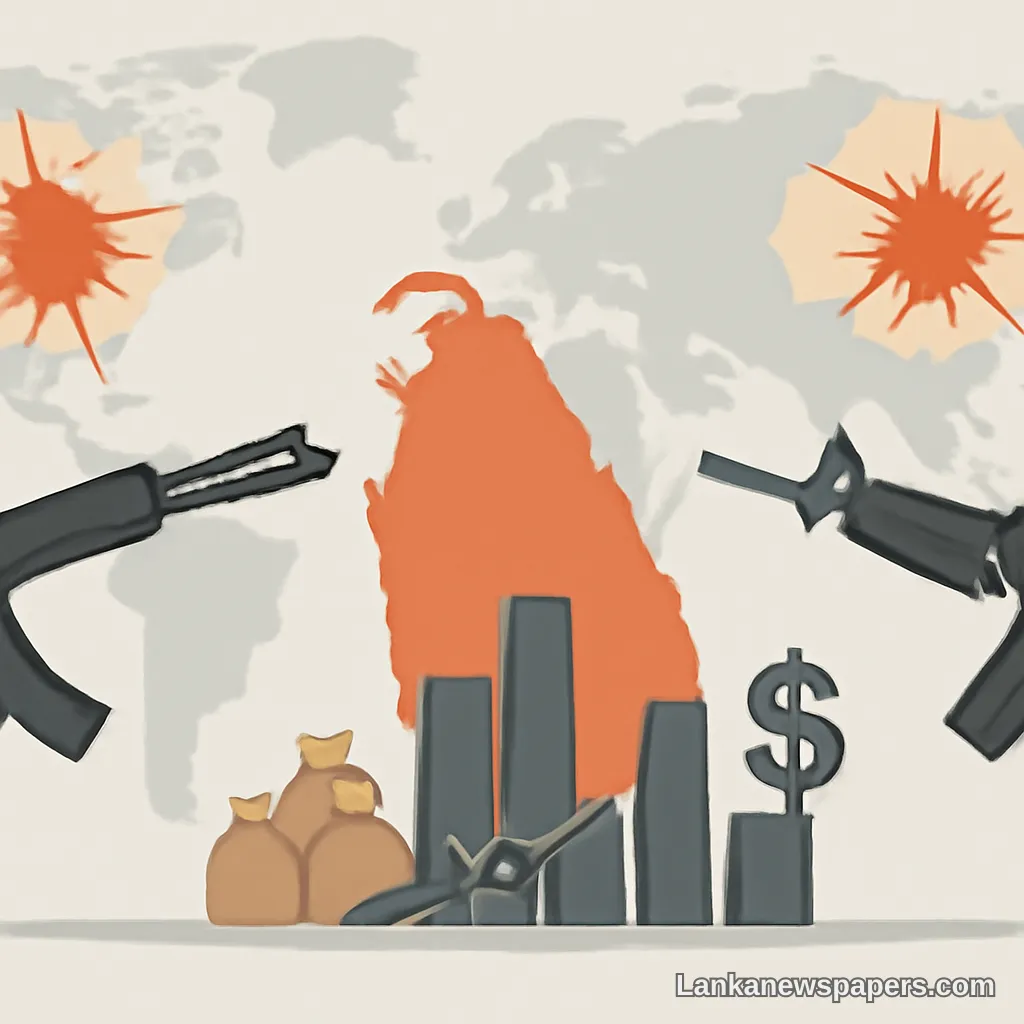
Sri Lanka, a nation still nursing the wounds of its worst economic crisis in modern history, is once again finding itself at the mercy of forces far beyond its shores. Conflicts raging in distant lands — wars Sri Lanka had no hand in starting — are delivering fresh blows to an island economy only beginning to find its footing.
A Economy Still on the Mend
After the catastrophic economic collapse of 2022, which triggered mass fuel shortages, soaring inflation, and widespread civil unrest, Sri Lanka embarked on a painful but necessary path of fiscal reform. With the support of an International Monetary Fund bailout programme, the country made slow yet measurable progress in stabilising its public finances and rebuilding foreign reserves.
However, that fragile recovery is now being tested by the cascading effects of global conflicts, including the war in Ukraine and escalating tensions in the Middle East, which are reshaping trade routes, energy markets, and supply chains worldwide.
Fuel, Freight, and Food — The Triple Pressure
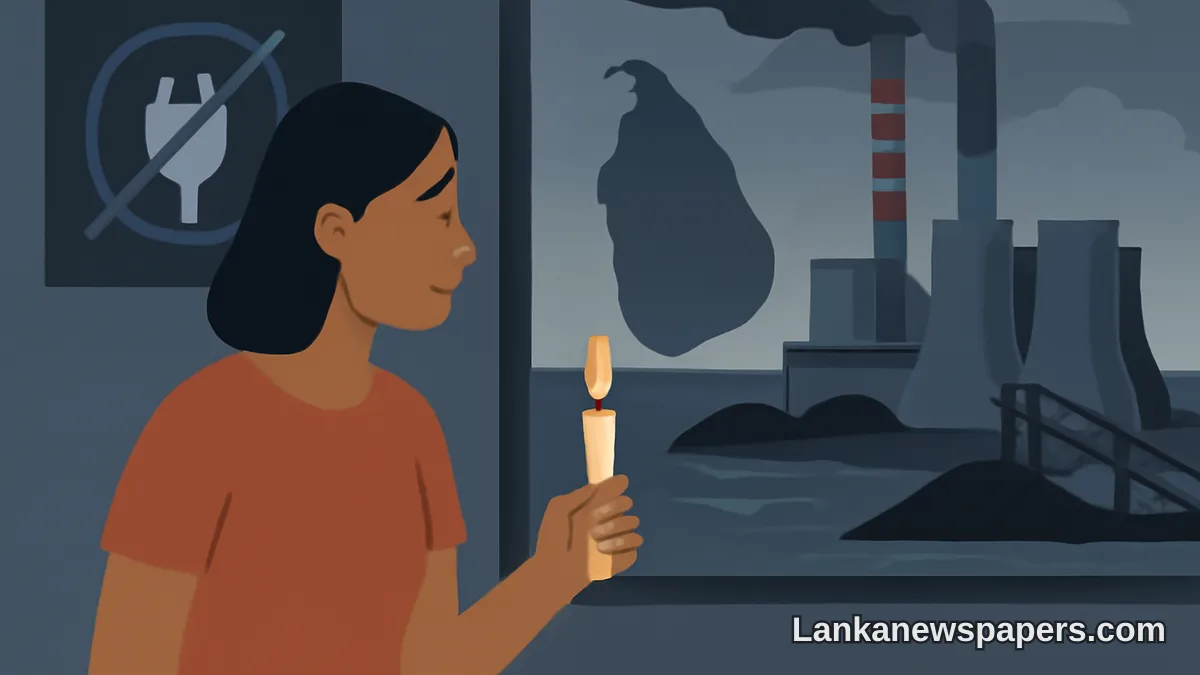
Sri Lanka imports the vast majority of its fuel requirements, making it acutely vulnerable to oil price volatility. When conflict disrupts global energy supplies, the impact on Sri Lanka is swift and severe. Rising fuel costs push up the price of electricity generation, transportation, and food production — burdens that fall disproportionately on ordinary Sri Lankans who are already stretched thin.
Shipping disruptions linked to the Red Sea crisis have further complicated matters. With cargo vessels rerouting away from the Suez Canal to avoid attacks by Houthi forces in Yemen, freight costs have surged dramatically. For a trade-dependent island nation like Sri Lanka, higher shipping costs translate directly into more expensive imports and reduced competitiveness for exports.
Tourism and Remittances Under Threat
Two of Sri Lanka's most vital economic lifelines — tourism and worker remittances — are also feeling the strain. Global uncertainty and economic slowdowns in key source markets dampen tourist arrivals, while Sri Lankan migrant workers employed in conflict-affected regions face job insecurity and, in some cases, forced repatriation.
Remittances sent home by Sri Lankan workers abroad have played a crucial role in stabilising household incomes and supporting foreign exchange reserves during the recovery period. Any disruption to this flow carries serious consequences for the broader economy.
The Human Cost
Beyond the macroeconomic indicators lie the lived realities of millions of Sri Lankans. Families who endured hours-long queues for fuel just two years ago are now watching prices creep upward again. Small business owners who rebuilt after the crisis are once more navigating an unpredictable environment of rising input costs and shrinking consumer spending power.
Calls for Resilience and Diversification
Economists and policy analysts are urging the Sri Lankan government to use this moment as a catalyst for deeper structural reform. Key recommendations include:
- Accelerating the transition to renewable energy to reduce dependence on imported fossil fuels
- Diversifying export markets to reduce vulnerability to disruptions in any single region
- Strengthening social safety nets to protect the most vulnerable from external economic shocks
- Building larger foreign exchange buffers during periods of relative stability
Sri Lanka's predicament is a stark reminder that in an interconnected world, no nation — however small or geographically remote — is truly insulated from the consequences of conflict elsewhere.
As global tensions show little sign of abating, Sri Lanka's policymakers face the unenviable task of steering a recovering economy through yet another storm not of their making. The resilience of the Sri Lankan people has been tested repeatedly — and the coming months will demand that same resilience once more.


💬 Join the Discussion 0
Be the first to share your view on this story.