Caught in the Crossfire: How a Distant War Continues to Batter Sri Lanka's Economy
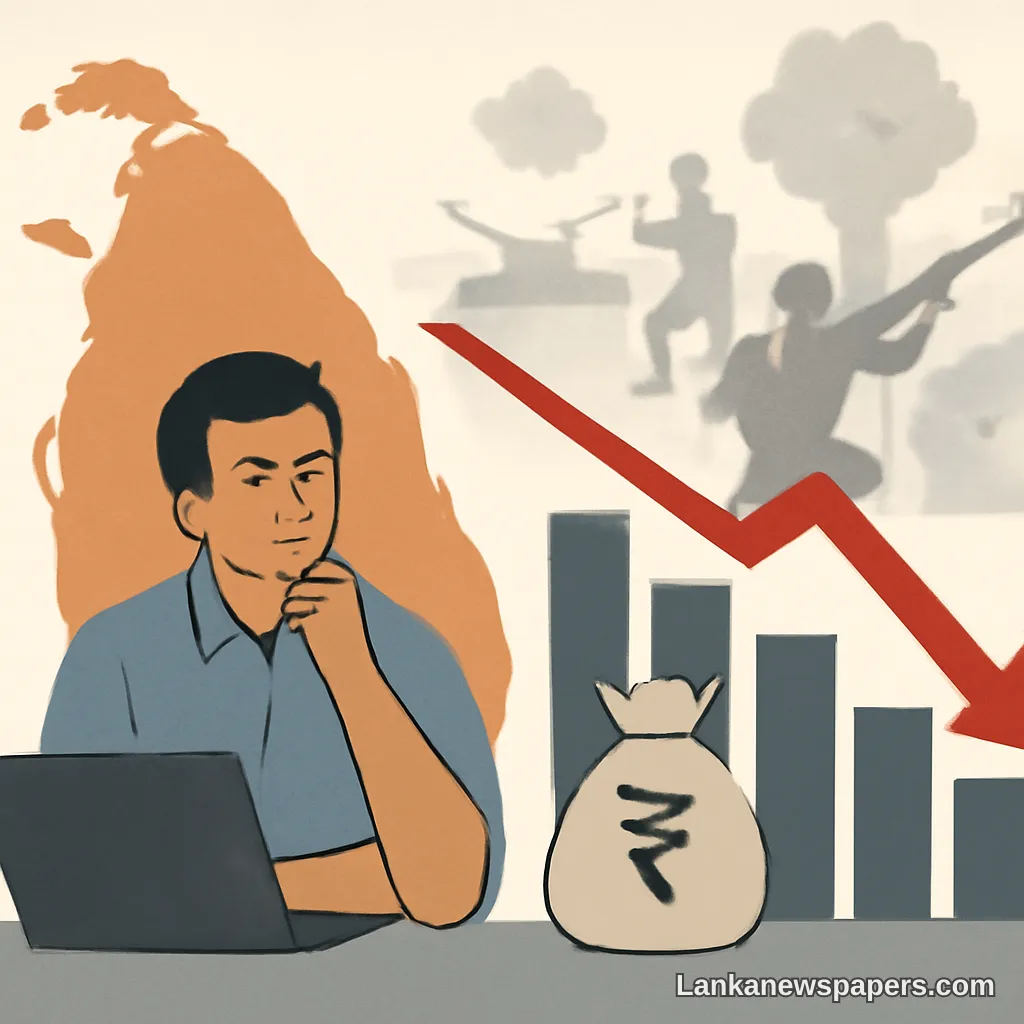
Sri Lanka, still nursing the wounds of its worst economic crisis in modern history, is once again feeling the tremors of a conflict it has no part in — as the ongoing war in the Middle East and the Russia-Ukraine conflict continue to send shockwaves through the island nation's fragile recovery.
A Small Nation, A Heavy Burden
Despite being thousands of kilometres away from active war zones, Sri Lanka finds itself deeply exposed to the economic consequences of global conflicts. Rising fuel costs, disrupted supply chains, and volatile commodity prices are hammering an economy that has only recently begun to stabilise after the devastating 2022 financial collapse that saw the country default on its foreign debt for the first time in its history.
The ripple effects of war are not abstract for ordinary Sri Lankans. Higher import costs are feeding back into the price of everyday essentials — from food and medicine to cooking gas and electricity — placing renewed pressure on households that are still recovering from years of punishing inflation and shortages.
Shipping Disruptions Adding to the Pain
One of the most direct channels through which the conflict is affecting Sri Lanka is the disruption to global shipping routes. Attacks on commercial vessels in the Red Sea by Houthi forces in Yemen have forced many cargo ships to take longer, more expensive routes around the Cape of Good Hope, significantly increasing freight costs and delivery times.
For a trade-dependent island like Sri Lanka, which relies heavily on imports for fuel, industrial inputs, and consumer goods, these added logistics costs are far from trivial. Exporters, including those in the vital garment and tea industries, are also bearing higher costs to get their products to international markets.
Tourism Recovery Under Threat
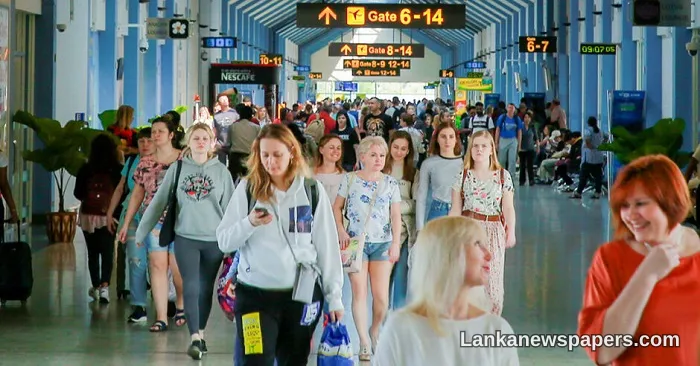
The tourism sector, one of Sri Lanka's most important sources of foreign exchange and a key pillar of the country's recovery strategy, is also feeling the strain. Global travel uncertainty linked to ongoing conflicts has dampened tourist arrivals from certain key markets, slowing what had been a promising rebound in visitor numbers following the post-crisis reopening of the economy.
Industry stakeholders have warned that sustained geopolitical instability could undermine investor and tourist confidence, making it harder for Sri Lanka to attract the foreign currency inflows it desperately needs to rebuild its reserves and service its restructured debt obligations.
Fuel and Energy Costs Remain a Key Concern
Energy prices remain one of the most sensitive pressure points. Sri Lanka imports the vast majority of its fuel requirements, and any sustained spike in global oil prices — a common consequence of Middle Eastern conflict — has an immediate and outsized impact on the cost of transport, electricity generation, and industrial production across the country.
The government has worked hard to stabilise fuel pricing following the chaos of 2022, but analysts warn that external shocks of this nature could quickly undo that progress if global energy markets deteriorate further.
Calls for Greater Economic Resilience
Economists and policy observers have used the current situation to renew calls for Sri Lanka to build greater structural resilience into its economy — reducing import dependency, diversifying export markets, and expanding renewable energy capacity to shield the country from the volatility of global fossil fuel prices.
While the government's ongoing IMF-supported reform programme is aimed at stabilising public finances, critics argue that longer-term structural reforms are equally urgent if Sri Lanka is to avoid being repeatedly blindsided by conflicts and crises it cannot control.
For now, Sri Lankans are left to absorb the costs of someone else's war — a sobering reminder of just how interconnected, and how vulnerable, a small developing nation can be in an increasingly turbulent world.
💬 Join the Discussion 0
Be the first to share your view on this story.