LNP – Dates announced for 2023 G.C.E Advanced Level exam
Education Minister Susil Premajayantha on Tuesday (11 July) announced the dates of the 2023 G.C.E Advanced Level examination. Accordingly, the
Read more
Sri Lanka's Largest Open Newspaper Forum
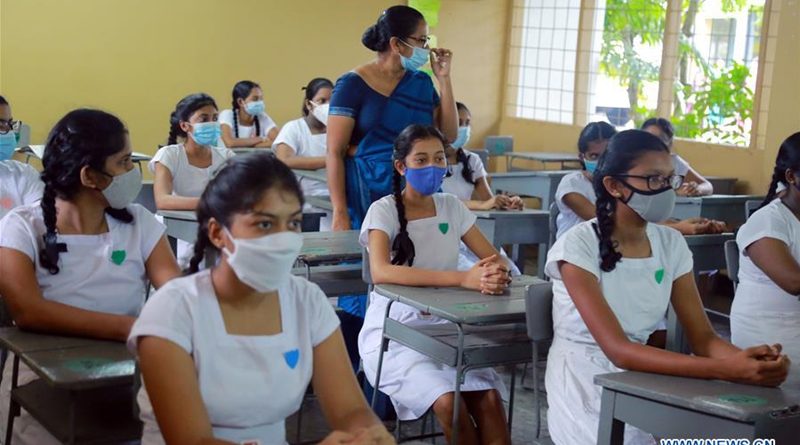
Education Minister Susil Premajayantha on Tuesday (11 July) announced the dates of the 2023 G.C.E Advanced Level examination. Accordingly, the
Read more
Sri Lanka Police,which used to attack the advancing protest marches earlier, has now even started assaulting those who participate in
Read more
A total of 372 Officers and 7,127 other ranks of the Sri Lanka Army have been promoted to their respective
Read more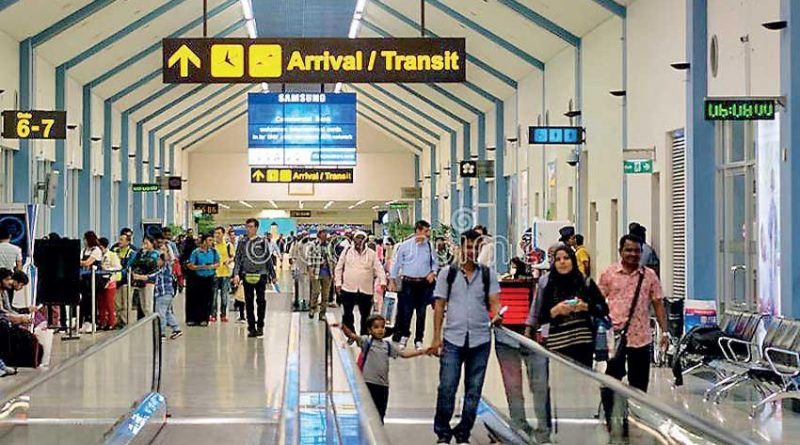
The Government has approved the Russian flag carrier – Aeroflot to operate in Sri Lanka, increasing the number of registered
Read more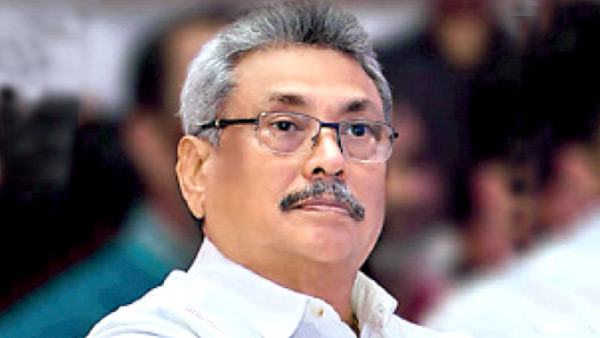
President Gotabaya Rajapaksa has held fruitful discussions with Heads of State and Representatives with the aim of promoting trade, tourism
Read more
NSEE Cement – currently operating at 3.6 million ton maximum production and import capacity – has added two more shipping
Read more

The Commercial Bank of Ceylon has announced it is now accepting digitally signed documents from business customers using LankaSign operated
Read more
Ambassador of Sri Lanka to China Dr. Palitha Kohona speaking at the Innovation and Development of Cities Summit, attended by
Read more
The SLFP does not condone the continuation of the ‘Emergency Regulations’ (The Public Security Ordinance) more than a day necessary
Read more