Sri Lanka's Tax System Is Strangling Charitable Giving, Warn Business and Policy Leaders
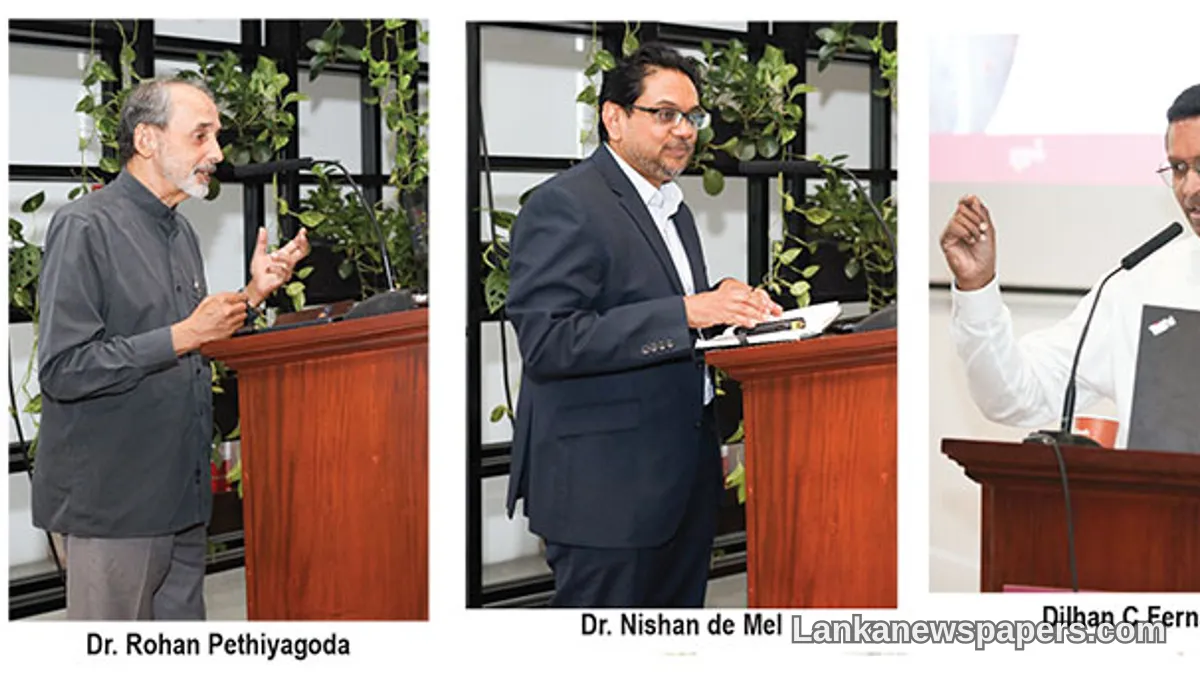
Sri Lanka's existing tax framework is actively discouraging charitable contributions and placing unnecessary hurdles in the way of businesses and individuals who wish to give back to society, a senior government official and leading experts have warned.
A System That Penalises Generosity
Former Director General of Customs Rohan Pethiyagoda has spoken out against the structure of Sri Lanka's tax regime, arguing that the government has effectively made charity difficult for well-intentioned businesses and philanthropists operating in the country. His remarks have reignited debate over whether Sri Lanka's fiscal policies are aligned with the goal of fostering a culture of corporate and individual social responsibility.
The criticism comes at a time when both the private sector and civil society are calling for meaningful reform to incentivise giving, rather than penalise it.
Business Must Prioritise Social and Natural Value
Prominent entrepreneur Dilhan Fernando added his voice to the conversation, arguing that businesses must fundamentally shift their outlook and prioritise the creation of social and natural value before focusing on economic returns. He stressed that profit-driven models that ignore their broader impact on communities and the environment are no longer sustainable or responsible.
Fernando's remarks reflect a growing global movement pushing companies to adopt more holistic measures of success beyond conventional financial metrics.
Nature at the Heart of Economic Survival
Economist and policy analyst Dr. Nishan de Mel delivered a striking warning, noting that approximately 55 percent of global gross domestic product is directly dependent on nature and the services that healthy ecosystems provide. He cautioned that any nation — including Sri Lanka — that fails to account for natural capital in its economic planning risks long-term instability.
Dr. de Mel's figures underline the urgency of integrating environmental considerations into both fiscal policy and business strategy, particularly as Sri Lanka continues its economic recovery following one of the most severe financial crises in its history.
Calls for Policy Reform
Together, the speakers painted a picture of a country at a crossroads — one where outdated tax policies risk undermining the goodwill of businesses willing to invest in social and environmental causes. Key concerns raised included:
- The lack of meaningful tax deductions or incentives for charitable donations made by companies and individuals
- Bureaucratic complexity that discourages sustained philanthropic engagement
- The absence of a cohesive national policy linking corporate responsibility with fiscal benefit
- The need to recognise natural ecosystems as economic assets within national accounting frameworks
The government must ask itself whether its tax system reflects the kind of society Sri Lanka wants to be — one that rewards generosity or one that makes it needlessly hard.
With Sri Lanka working to rebuild public trust and attract both local and foreign investment, advocates argue that creating an enabling environment for charitable giving and responsible business could play a vital role in long-term national development. Reforming the tax code to reward — rather than restrict — socially conscious behaviour, they say, is a logical and necessary first step.

💬 Join the Discussion 0
Be the first to share your view on this story.