Suspected Cyberattacks Cripple Supermarket Freezer Systems Across Europe, Sparking Food Safety Crisis
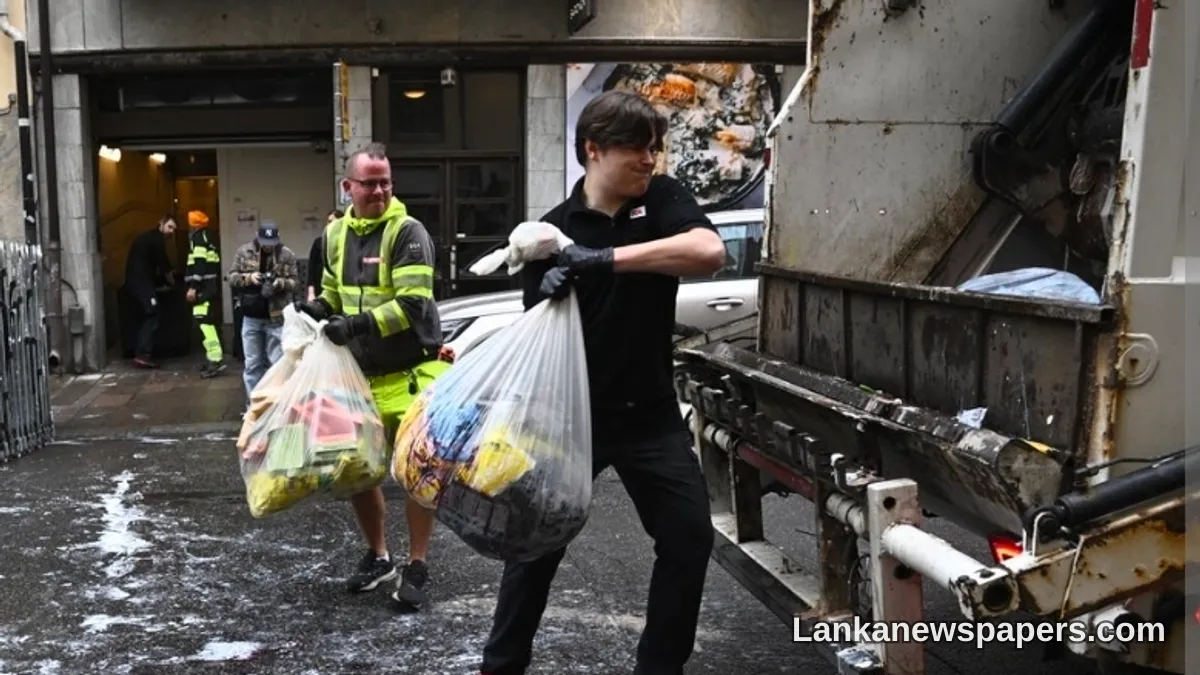
Supermarkets across multiple European countries have been thrown into chaos following a series of suspected cyberattacks that targeted refrigeration and freezer systems, causing temperatures to rise to dangerous levels and forcing stores to dispose of large quantities of perishable food.
Widespread Disruption to Cold Chain Infrastructure
The incidents, which affected retail outlets spanning several nations, appear to have been coordinated attacks on the digital systems that regulate commercial refrigeration units. As temperatures inside the affected freezers and cold storage units climbed beyond safe thresholds, supermarket operators were left with little choice but to discard spoiled stock to prevent potential public health hazards.
The scale of the disruption has raised serious concerns among food safety authorities and cybersecurity experts, who warn that attacks on critical retail infrastructure carry significant consequences not only for businesses but also for consumers who depend on the cold chain for safe, fresh food.
Cybersecurity Experts Sound the Alarm
Analysts following the incidents have pointed to the growing vulnerability of modern supermarket systems, which increasingly rely on internet-connected technology to monitor and manage refrigeration equipment remotely. This connectivity, while efficient, also exposes operators to malicious actors capable of infiltrating networks and manipulating temperature controls.
Security specialists have long warned that the food retail sector remains an underprotected target, with many operators prioritising operational efficiency over robust cybersecurity protocols.
Investigators are working to determine the origin of the attacks and whether a single threat actor or multiple groups were responsible for the coordinated disruptions across borders.
Financial and Environmental Fallout
Beyond the immediate public health implications, the attacks have resulted in significant financial losses for affected supermarket chains, with tonnes of meat, dairy, frozen meals and other temperature-sensitive products rendered unsaleable and discarded. The environmental impact of such large-scale food waste has also drawn criticism from sustainability advocates.
Affected retailers have been urged to review and strengthen their cybersecurity frameworks, implement offline backup controls for critical systems, and work closely with national cybersecurity agencies to guard against future incidents.
A Warning for the Region
While the attacks have so far been confined to Europe, cybersecurity authorities worldwide have taken note, cautioning that similar vulnerabilities exist in supermarket infrastructure globally. Retailers in Sri Lanka and across South Asia have been advised to assess the resilience of their own digitally connected systems in light of the growing international threat landscape.
European law enforcement agencies, including relevant national cybercrime units, are continuing their investigations into the attacks, with authorities yet to formally attribute responsibility to any individual or group.

💬 Join the Discussion 4
See what readers are saying — and add your view.
Europe struggling but our goverment still cant fix our own cold storage issues
who has the capability to do this kind of attack on so many countries at once
imagine all that food wasted, very sad for those ppl
yes and prices will go up after this for sure