Sri Lanka Hikes Child Labour Fines Tenfold as PM Stresses Children's Mental Wellbeing
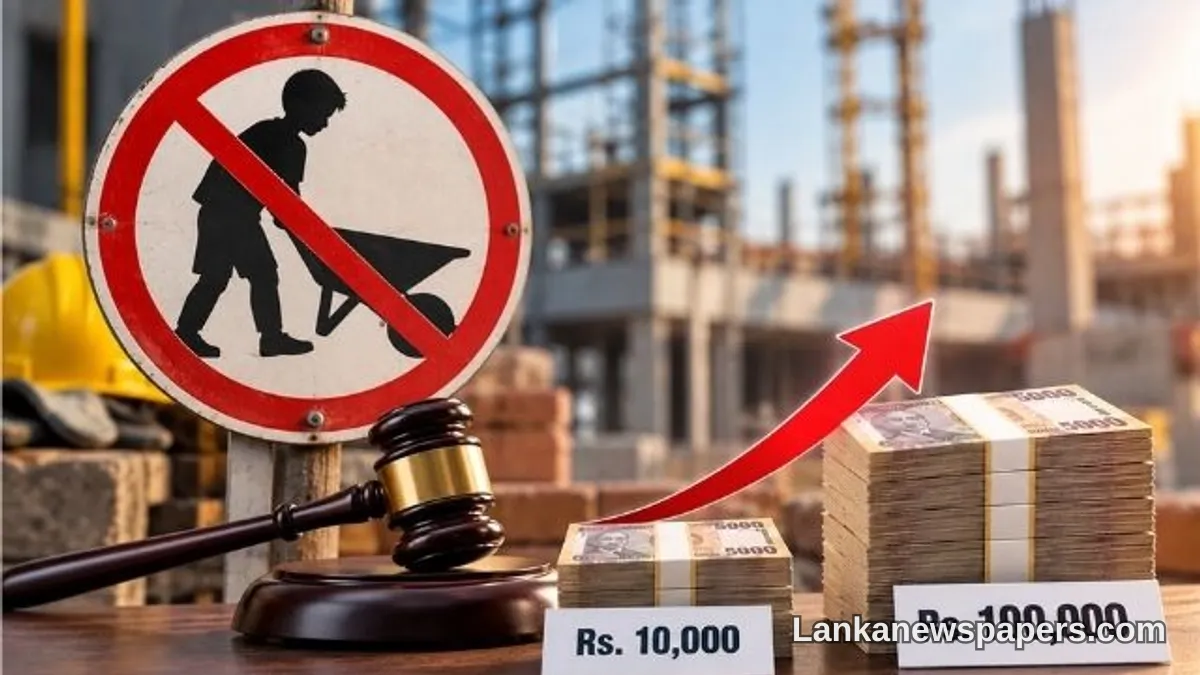
Penalties for Hazardous Child Labour Rise Sharply
Sri Lanka has significantly strengthened its stance against child labour, increasing the fine for employing children in hazardous work from Rs. 10,000 to Rs. 100,000 — a tenfold jump aimed at deterring exploitative practices across the country.
PM Highlights Importance of Children's Emotional Security
Prime Minister Dr. Harini Amarasuriya underscored the broader significance of protecting Sri Lanka's youngest citizens, stating that ensuring children's emotional security, mental well-being and self-confidence must remain a national priority.
Her remarks reflect the government's intent to move beyond punitive measures alone, framing child protection as a holistic responsibility that extends to nurturing the psychological health of children across all communities.
A Long-Overdue Reform
Critics and child rights advocates have long argued that the previous penalty of Rs. 10,000 was far too low to serve as a meaningful deterrent, particularly for businesses and individuals profiting from cheap child labour. The revised fine of Rs. 100,000 is expected to send a stronger signal that such exploitation will carry serious financial consequences.
What This Means for Sri Lankan Families and Employers
- Employers found engaging children in hazardous work now face fines of Rs. 100,000.
- The previous fine of Rs. 10,000 had remained unchanged for years, failing to keep pace with economic realities.
- The government has signalled that enforcement, alongside financial penalties, will be a key focus going forward.
Prime Minister Dr. Harini Amarasuriya emphasised that ensuring children's emotional security, mental well-being and self-confidence is of paramount importance in shaping the nation's future.
Child labour remains a concern in several sectors in Sri Lanka, including agriculture and domestic work. Rights organisations have welcomed the penalty increase while calling on authorities to pair the reform with robust monitoring and support systems for vulnerable families who may rely on children's income out of economic necessity.
The move is widely seen as a step in the right direction, though advocates stress that legislation alone is insufficient without sustained investment in education, social welfare and community outreach to address the root causes driving child labour in the country.



💬 Join the Discussion 0
Be the first to share your view on this story.