A Long-Awaited Reform Takes Shape
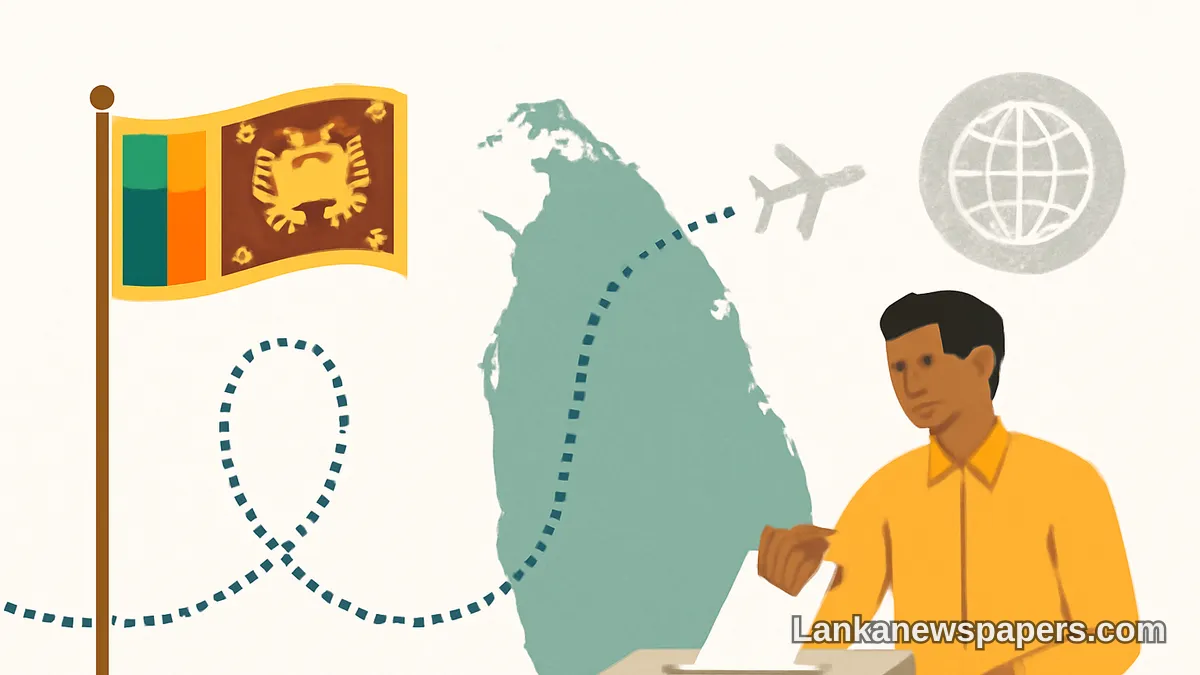
Sri Lanka is actively working towards establishing a framework that would allow its citizens living and working abroad to cast their votes in national elections, marking a significant step forward in expanding democratic participation for the island's large overseas community.
A Community Long Left Out of the Democratic Process
Millions of Sri Lankans reside outside the country, many of whom have migrated in search of better economic opportunities, particularly in the Middle East, Europe, and other parts of Asia. Despite maintaining strong ties to their homeland, these citizens have historically been unable to exercise their fundamental right to vote due to the absence of any out-of-country voting mechanism.
The move to address this gap has been welcomed by civic groups and diaspora communities who have long argued that Sri Lankans abroad contribute significantly to the national economy through remittances and deserve a voice in shaping the country's political future.
Navigating the Path Forward
Authorities are currently navigating the legal, logistical, and administrative challenges involved in implementing such a system. Key considerations include:
- Establishing a reliable voter registration process for overseas Sri Lankans
- Determining the most practical and secure method of ballot casting from abroad
- Ensuring the integrity and transparency of votes cast outside the country
- Coordinating with Sri Lankan diplomatic missions worldwide to facilitate the process
Broader Democratic Implications
The introduction of out-of-country voting would bring Sri Lanka in line with a growing number of nations that already extend this right to their overseas citizens. Proponents argue it would not only strengthen democratic representation but also deepen the bond between the Sri Lankan state and its global diaspora.
Critics, however, have raised concerns about the practical difficulties of implementation and the potential for irregularities, calling for a robust and transparent framework before any system is formally introduced.
What Comes Next
While a concrete timeline for implementation has yet to be publicly confirmed, the initiative signals a clear intent from relevant authorities to make out-of-country voting a reality. Further consultations with electoral bodies, legal experts, and community representatives are expected to shape the final model adopted by the country.
For Sri Lanka's diaspora, the development represents a hopeful turning point — one that could finally give them a meaningful say in the future of the nation they continue to call home.



💬 Join the Discussion 1
See what readers are saying — and add your view.
Finally. My brother in Australia has been asking about this for years.