Sri Lanka's Coffee Culture Surge Reveals the Nation's Stark Economic Divide
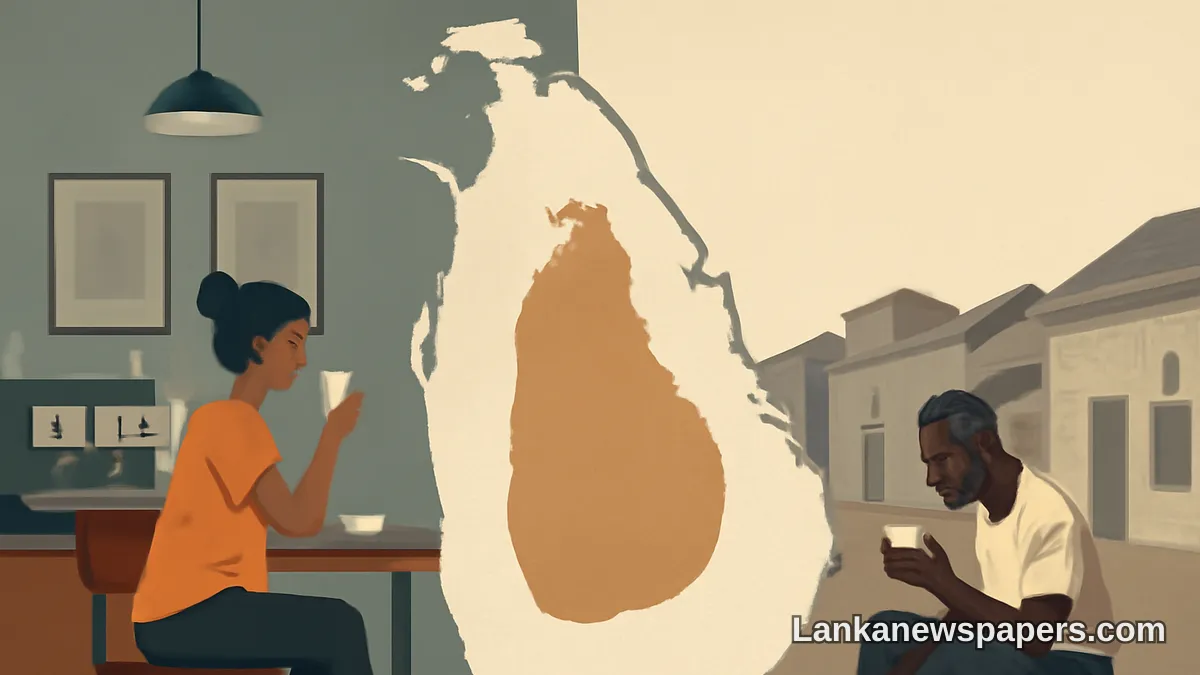
On Colombo's Baseline Road, Barista Coffee recently inaugurated its 100th outlet in Sri Lanka — a milestone that speaks volumes about the rapid rise of lifestyle café culture across the island. From bustling shopping centres and corporate office districts to provincial towns, the modern coffee shop has become a fixture of Sri Lankan urban life. Yet behind the froth and aroma of this thriving consumer trend lies a more complex economic story.
A Booming Urban Coffee Scene
The expansion of premium café chains like Barista signals a significant shift in the spending habits and aspirations of Sri Lanka's urban middle class. Once considered a luxury reserved for tourists and expatriates, the sit-down coffee experience has been enthusiastically embraced by young professionals, students, and families across the country.
The growth of these outlets reflects a vibrant urban service economy — one where consumer confidence, lifestyle branding, and disposable income are all moving in a positive direction. Shopping malls in Colombo and even establishments in smaller cities have welcomed café culture as both a commercial draw and a social institution.
Two Faces of the Same Economy
However, this gleaming picture of cappuccinos and co-working corners tells only one side of Sri Lanka's economic reality. The country continues to recover from one of the most severe economic crises in its post-independence history, which saw fuel shortages, soaring inflation, and widespread hardship grip millions of households just a few years ago.
While urban consumers queue for artisan brews and cold-pressed beverages, a significant portion of the population remains under considerable financial strain. Rising costs of living, unemployment pressures, and limited access to quality public services continue to weigh heavily on rural communities and lower-income families.
What the Coffee Boom Really Signals
Economists and social observers note that this contrast is not unique to Sri Lanka — many developing economies experience pockets of consumer prosperity sitting alongside persistent structural poverty. What makes the Sri Lankan case particularly striking is the speed at which lifestyle commerce has rebounded following the 2022 economic crisis.
- Premium café chains are expanding beyond Colombo into provincial cities and towns
- Young urban consumers are driving demand for lifestyle-oriented spending
- The service sector is emerging as a key engine of post-crisis economic recovery
- Rural and low-income communities continue to face economic vulnerability
The opening of Barista's 100th outlet is, without doubt, a legitimate commercial achievement and a marker of investor confidence in Sri Lanka's consumer market. But it also invites a broader conversation about inclusive growth — whether the prosperity being generated in gleaming city cafés can translate into meaningful opportunity for all Sri Lankans, not just those with the means to enjoy it.
The coffee culture boom is real, and it matters economically. But it must be viewed alongside the lived reality of millions who remain outside this circle of consumption.
As Sri Lanka continues to navigate its path toward economic stabilisation, the nation's two economic faces — the aspirational and the struggling — will need to be addressed together if recovery is to be sustainable and truly shared.



💬 Join the Discussion 0
Be the first to share your view on this story.