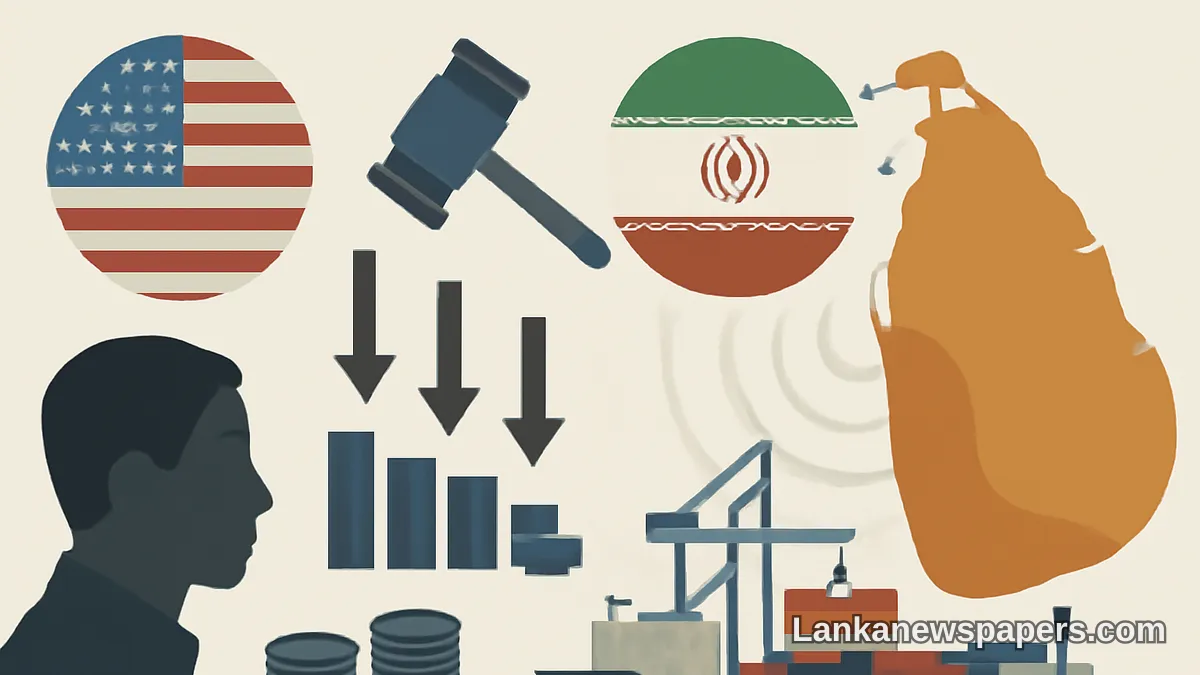
American sanctions imposed on Iran have long cast a shadow over global trade and finance, and Sri Lanka — despite being a small island nation far removed from Middle Eastern geopolitics — is not immune to their far-reaching consequences.
The Broader Impact of US Sanctions
When the United States enforces economic sanctions against a country like Iran, the effects are rarely contained within bilateral relations alone. Nations that maintain trade, financial, or energy ties with Iran risk falling foul of secondary sanctions, which can cut them off from the US financial system — a consequence few countries can afford to ignore.
Sri Lanka's Exposure to Iranian Trade
Sri Lanka has historically maintained certain economic relationships with Iran, particularly in the areas of oil imports and trade. During periods when global oil prices placed significant strain on Sri Lanka's foreign reserves, Iran represented an alternative source of energy. However, doing business with sanctioned Iran places Sri Lankan banks, businesses, and government entities in a precarious position.
Banking and Financial Risks
One of the most direct ways US sanctions affect Sri Lanka is through the country's banking sector. Sri Lankan financial institutions that process transactions linked to Iranian entities risk being blacklisted from correspondent banking relationships with American banks. Given that a significant volume of international trade is conducted in US dollars, losing access to dollar-clearing facilities would be deeply damaging.
Energy and Import Pressures
Sri Lanka's recurring energy challenges have at times pushed policymakers to explore unconventional arrangements. Any move to import Iranian oil, even under barter or deferred payment schemes, would attract scrutiny from Washington and could trigger punitive measures against Sri Lankan institutions involved in facilitating such deals.
Diplomatic Balancing Act
Sri Lanka, like many developing nations, must carefully navigate its relationships with major global powers. Maintaining cordial ties with the United States — a key trade partner and source of tourism revenue — while managing economic necessity requires considerable diplomatic skill. Openly engaging with sanctioned Iran risks straining the Sri Lanka-US relationship at a time when Colombo seeks international financial support.
What This Means for Ordinary Sri Lankans
- Higher energy costs if affordable Iranian oil remains inaccessible
- Reduced options for diversifying import sources during economic crises
- Potential disruptions to trade financing if local banks face compliance risks
- Broader pressure on foreign exchange reserves already under stress
Sri Lanka's vulnerability stems not from any direct conflict with the United States, but from the collateral reach of sanctions designed to isolate Iran from the global economic system.
As geopolitical tensions between Washington and Tehran continue to evolve, Sri Lanka will need to remain vigilant about compliance obligations while pursuing its own economic interests through legitimate and diplomatically sound channels.

💬 Join the Discussion 3
See what readers are saying — and add your view.
Can someone explain how Iran sanctions affect our fuel prices here?
America does its politics, we poor ppl suffer the price increases. typical.
exactly, our goverment cant even say anything to them no?