NMRA Considers Local Testing of 160,000 Rejected Filgrastim Injections Over Labelling Concerns
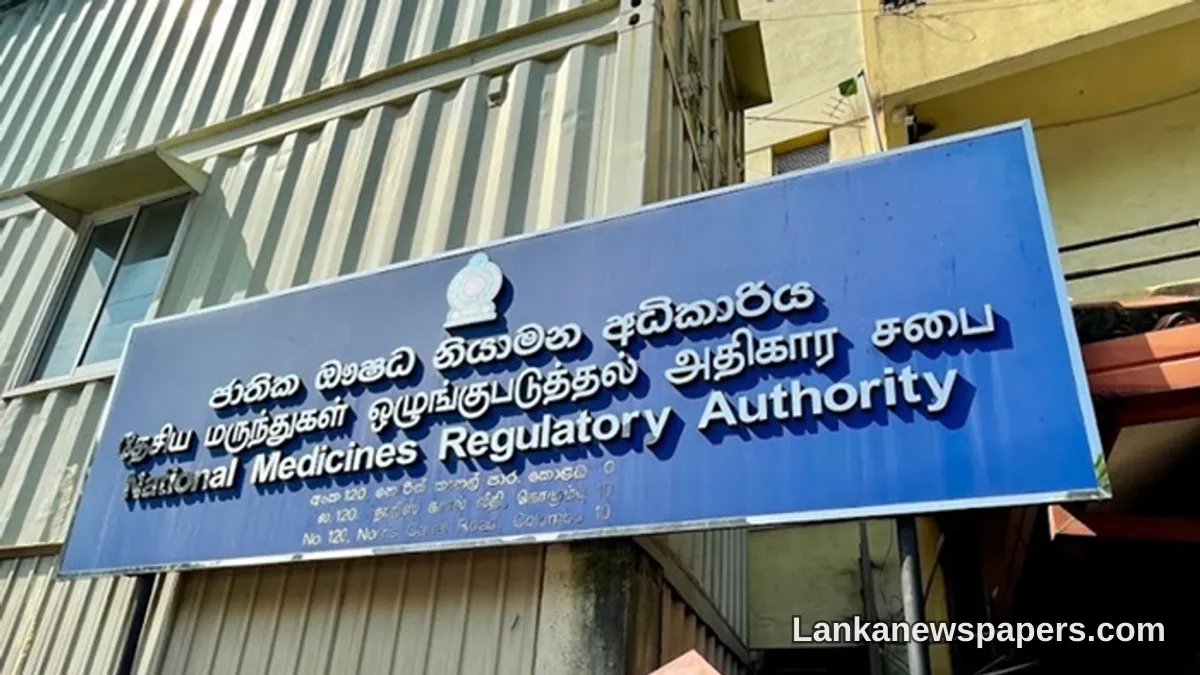
The National Medicines Regulatory Authority (NMRA) is examining whether a consignment of 160,000 Filgrastim injections, which were rejected due to labelling issues, can be tested locally before any further decisions are made regarding the batch.
Filgrastim is a critical medication used to stimulate the production of white blood cells, primarily administered to patients undergoing chemotherapy or those suffering from conditions that severely weaken the immune system. The drug plays a vital role in cancer care and is in consistent demand across Sri Lanka's healthcare network.
Labelling Issues Trigger Rejection
The consignment in question was flagged and rejected by regulatory authorities specifically on the grounds of labelling non-compliance. While the NMRA has not indicated that the contents of the injections are necessarily unsafe or substandard, proper labelling is a fundamental requirement under medicines regulatory standards, as it ensures patients and healthcare providers receive accurate information about dosage, storage, and origin.
Given the significant volume of the rejected batch — 160,000 units — authorities are now weighing the possibility of conducting local laboratory testing to determine whether the medications themselves meet quality and safety standards, which could potentially inform a path forward for the consignment.
Balancing Regulatory Standards with Healthcare Demand
The move to explore local testing reflects the delicate balance Sri Lanka's health authorities must strike between upholding strict regulatory compliance and ensuring an adequate supply of essential medicines, particularly those used in life-saving treatments.
Sri Lanka has faced recurring challenges in maintaining consistent stocks of specialised medications, making the resolution of this matter particularly significant for patients who depend on Filgrastim as part of their ongoing treatment plans.
The NMRA has yet to announce a final decision on the fate of the consignment. Further updates are expected as the authority completes its assessment of the local testing feasibility.

💬 Join the Discussion 3
See what readers are saying — and add your view.
160,000 units sitting somewhere while cancer patients struggle to find filgrastim. shameful
if label is wrong why cant they just relabel and use? why waste
exactly, ppl are dying waiting for chemo support and they playing politics