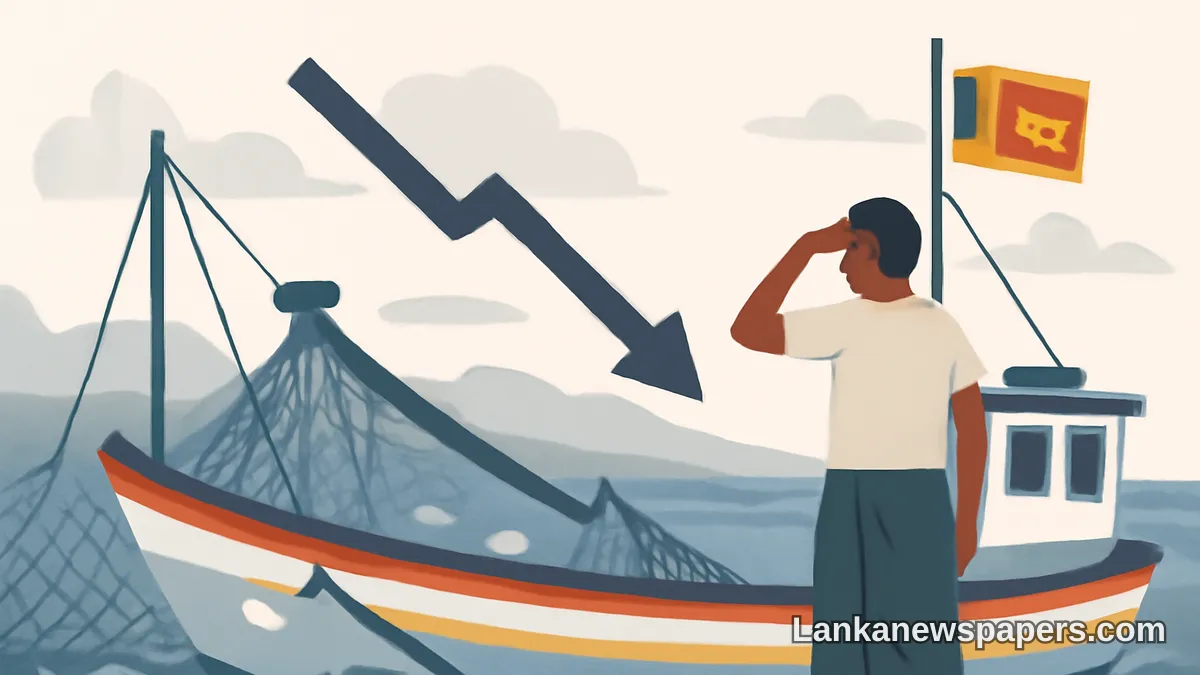
Sri Lanka's fishing industry is facing growing concern as fish catches across the island's waters continue to decline, prompting authorities to call for a formal scientific investigation into the crisis.
Official Intervention Sought
The National Aquatic Resources Research and Development Agency, widely known as NARA, has been directed to look into the reasons behind the steady drop in fish harvests recorded by local fishermen in recent times. The move signals that the issue has escalated beyond the concerns of individual fishing communities and is now being treated as a matter requiring urgent national attention.
A Livelihoods Crisis in the Making
For countless coastal communities around Sri Lanka, fishing is not merely an occupation — it is the backbone of daily life and economic survival. A sustained reduction in catches threatens not only the incomes of fishermen and their families but also the broader seafood supply chain, with potential knock-on effects for food security and consumer prices across the country.
Possible Causes Under Scrutiny
While no definitive conclusions have yet been drawn, experts and stakeholders have pointed to a range of factors that could be contributing to the decline, including:
- Overfishing and unsustainable harvesting practices in inshore waters
- Environmental degradation and the destruction of coral reefs and marine ecosystems
- The impact of climate change on ocean temperatures and fish migration patterns
- Illegal, unreported, and unregulated fishing activity in Sri Lankan waters
- Pollution affecting coastal and marine habitats
NARA's Role Going Forward
NARA, as the country's foremost authority on aquatic resources and marine research, is expected to conduct a thorough assessment of the situation. The agency's findings will be critical in shaping future policy decisions related to fisheries management, conservation measures, and support programmes for affected fishing communities.
The investigation is seen as a pivotal step towards understanding the scale of the problem and developing a science-based strategy to reverse the decline before it causes irreparable damage to Sri Lanka's marine resources.
Industry observers and fishing community representatives have broadly welcomed the decision to commission an investigation, though many have stressed that findings must be translated into concrete and timely action. With Sri Lanka's coastal population deeply dependent on the sea for their sustenance and income, the pressure is on for both NARA and policymakers to deliver meaningful solutions.



💬 Join the Discussion 0
Be the first to share your view on this story.