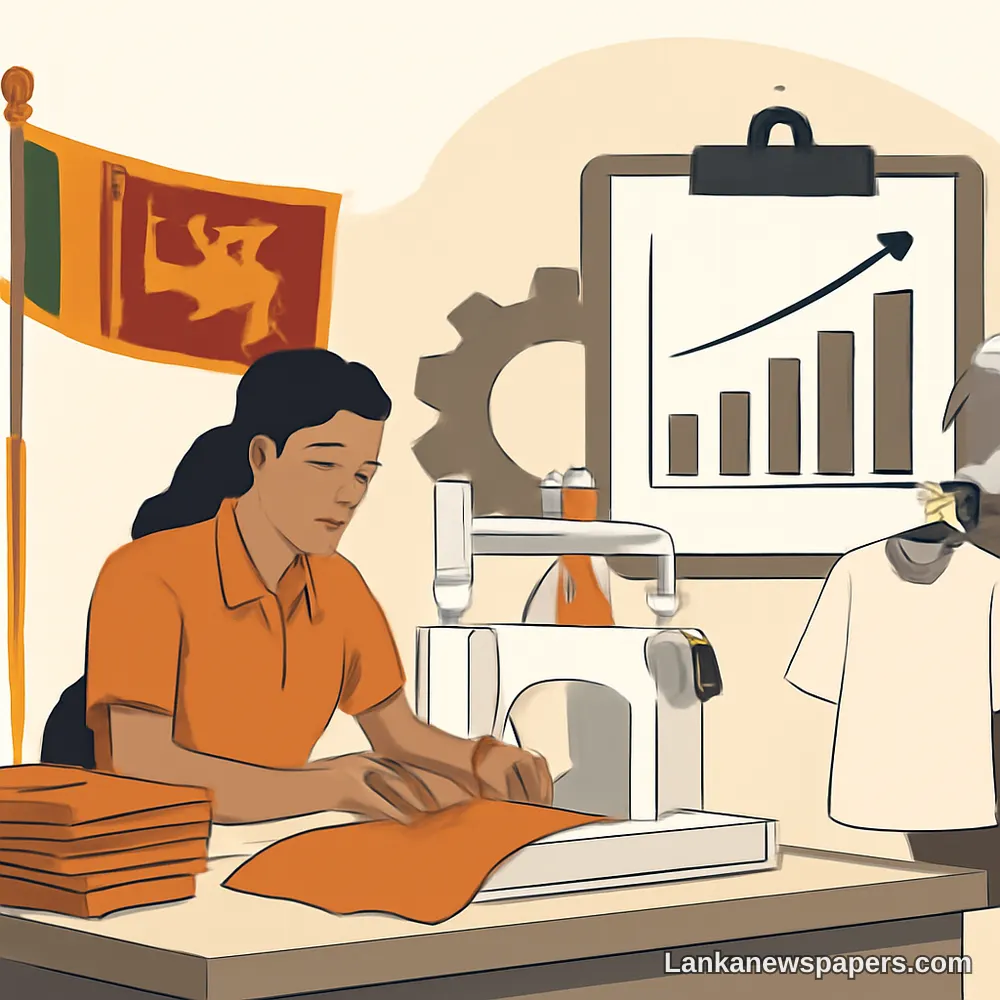
Sri Lanka's garment and apparel sector is facing a pivotal moment as the country prepares to reapply for the European Union's Generalised Scheme of Preferences Plus, commonly known as GSP+, a trade concession that could prove transformative for the island nation's export economy.
What GSP+ Means for Sri Lanka
The GSP+ scheme allows eligible developing countries to export thousands of products to the European Union at reduced or zero tariff rates. For Sri Lanka's apparel industry — one of the country's largest foreign exchange earners — regaining this status would significantly boost competitiveness against regional rivals such as Bangladesh, Vietnam and Cambodia, all of whom benefit from preferential trade arrangements with the EU.
Sri Lanka previously held GSP+ status but lost it in 2010 following concerns raised by the EU over human rights and governance standards. The country has since been working toward meeting the necessary benchmarks to requalify for the scheme.
Key Areas Requiring Urgent Attention
Industry experts and trade analysts have identified several critical areas that Sri Lanka's apparel sector must address before a successful reapplication can be made:
- Labour rights compliance: Ensuring workers' rights, fair wages, and safe working conditions align with international standards remains a fundamental requirement under GSP+ criteria.
- Governance and transparency: The EU places significant emphasis on adherence to conventions related to good governance, anti-corruption measures, and rule of law.
- Sustainability practices: Environmental compliance and green manufacturing are increasingly scrutinised by EU trade partners, making eco-friendly production processes essential for the sector.
- Supply chain accountability: Robust documentation and traceability throughout the supply chain are expected to meet EU due diligence requirements.
The Stakes for Sri Lanka's Economy
The apparel sector accounts for a substantial share of Sri Lanka's export revenue and employs hundreds of thousands of workers, the majority of whom are women. A successful GSP+ reapplication would not only lower tariff barriers for local manufacturers but also attract fresh foreign direct investment into the industry.
Regaining GSP+ status is not merely a trade policy matter — it is a direct opportunity to uplift livelihoods and strengthen Sri Lanka's economic recovery following years of fiscal turbulence.
Industry Must Act Without Delay
Trade bodies and government officials have stressed that the window for preparation is narrow and that complacency could cost the country dearly. Stakeholders across the apparel value chain are being urged to work in close coordination with regulators and policymakers to ensure that all prerequisites are fulfilled well ahead of the formal reapplication process.
With global buyers increasingly prioritising ethical sourcing and sustainability credentials, Sri Lanka's apparel manufacturers are also being reminded that meeting GSP+ conditions will simultaneously enhance their appeal to international brands seeking responsible supply chain partners.
The coming months are expected to be decisive, and industry leaders are calling for a unified, proactive approach to ensure Sri Lanka does not miss this significant opportunity to reestablish itself as a preferred sourcing destination for European markets.

💬 Join the Discussion 1
See what readers are saying — and add your view.
goverment always promise reforms but nothing happens on time