Behind Bars and Beyond Breaking Point: What Is Fuelling Sri Lanka's Deadly Prison Riots?
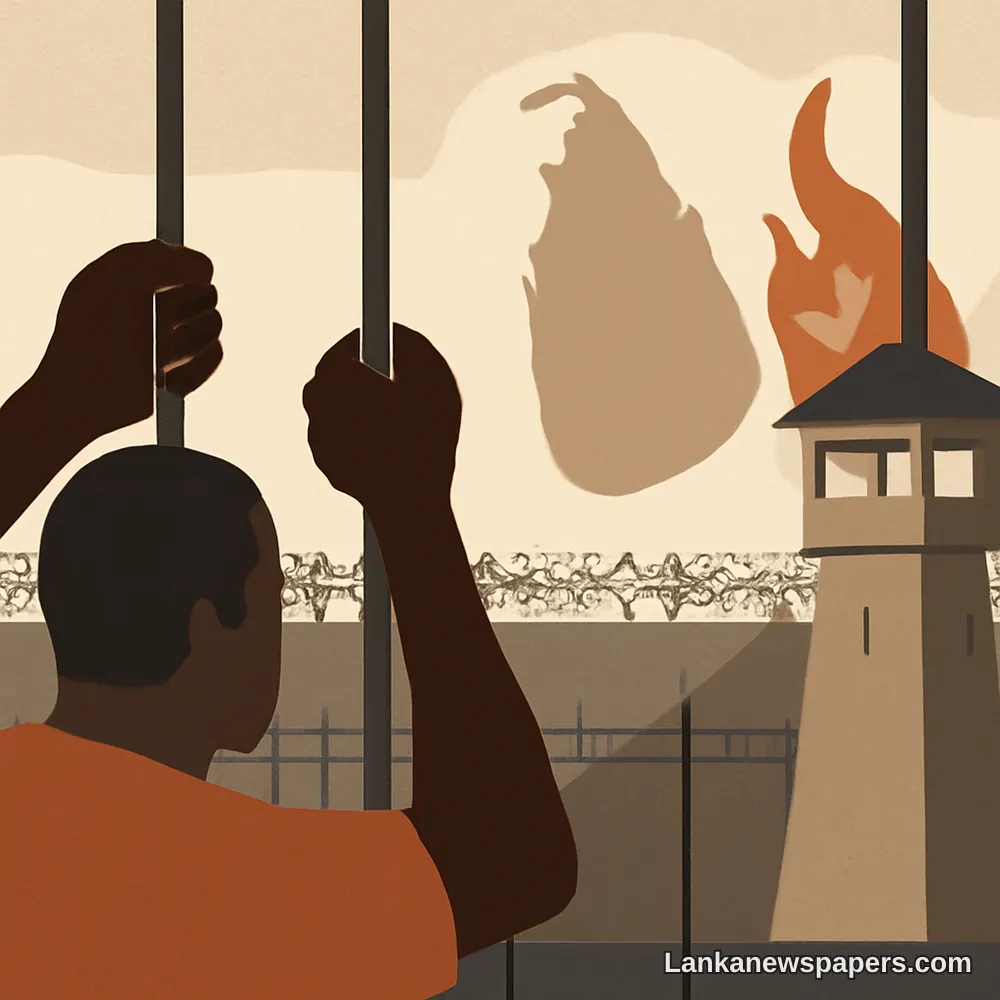
Sri Lanka's prison system is in crisis. A series of deadly riots has erupted across the country's correctional facilities in recent months, leaving inmates dead, officers injured, and the public demanding urgent answers from authorities.
A System Pushed to Its Limits
At the heart of the unrest lies a deeply overcrowded prison network that has long been stretched far beyond its intended capacity. Sri Lanka's jails were built to house a fraction of the inmates they currently hold, and decades of under-investment in infrastructure have left conditions deteriorating to dangerous levels. Inmates are crammed into cells designed for far fewer people, sanitation is poor, and access to basic necessities remains inconsistent.
Experts and prison reform advocates have warned for years that such conditions were a powder keg waiting to ignite. The recent violence suggests that warning has gone unheeded for too long.
The Role of the Drug Trade Behind Bars
A significant driver of tension within Sri Lankan prisons is the continued operation of drug networks inside correctional facilities. A large proportion of the prison population is serving sentences related to narcotics offences, and the illegal drug trade has not stopped simply because offenders are incarcerated. Rivalries between drug-linked factions inside prisons have been identified as a key catalyst for violent confrontations.
Gang affiliations that exist on the outside are replicated within prison walls, creating volatile power struggles over territory and contraband that prison staff are frequently ill-equipped to contain.
Understaffed and Under-Resourced
Prison officers themselves face enormous pressure. Chronic understaffing means that a small number of guards are responsible for managing dangerously large groups of inmates. This imbalance makes it extremely difficult to maintain order, respond swiftly to emerging conflicts, or implement meaningful rehabilitation programmes.
The lack of resources also means that mental health support, vocational training, and other tools proven to reduce in-prison violence are largely absent from the Sri Lankan correctional system.
Calls for Urgent Reform
Human rights organisations have renewed their calls on the Sri Lankan government to treat the prison crisis as a national emergency. Among the reforms being demanded are:
- Immediate steps to reduce overcrowding through sentencing reform and expanded use of non-custodial alternatives
- Increased recruitment and training of prison staff
- Stricter measures to prevent contraband, particularly drugs, from entering facilities
- Independent oversight and inspection of prison conditions
- Greater investment in inmate rehabilitation and mental health services
Government Response Under Scrutiny
Authorities have pledged to investigate the causes of the riots and hold those responsible accountable. However, critics argue that reactive measures are insufficient and that only a comprehensive, long-term reform strategy will prevent further bloodshed.
The lives lost inside these prisons are a direct consequence of systemic neglect. No amount of post-incident investigations will substitute for genuine, sustained reform of how Sri Lanka treats those in its custody.
As Sri Lanka continues its broader economic and political recovery, the state of its prisons serves as a stark reminder that the wellbeing of the most vulnerable members of society — including those who have broken the law — cannot be indefinitely ignored. The coming weeks will be critical in determining whether the government moves beyond rhetoric and delivers the meaningful change the situation so urgently demands.


💬 Join the Discussion 2
See what readers are saying — and add your view.
overcrowding is the main issue no? too many ppl, too little space
and the drugs inside make it worse, wardens also corrupt