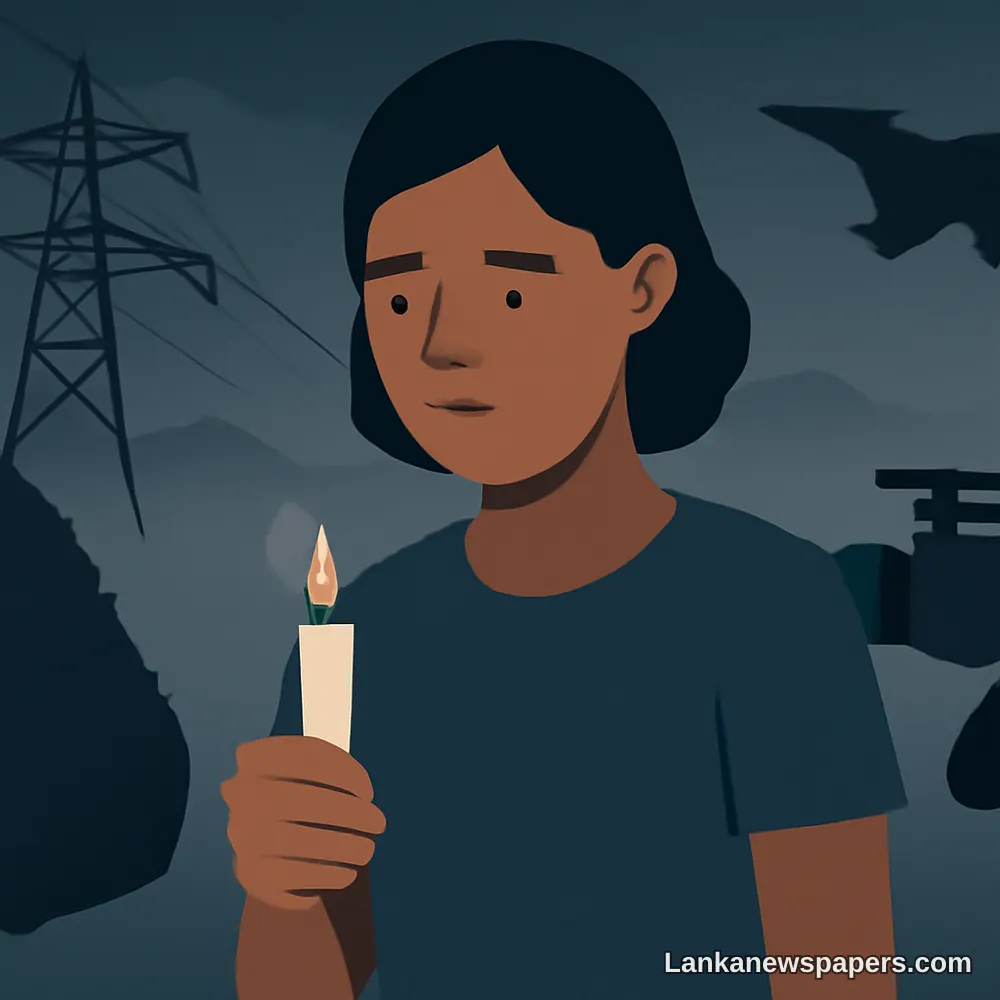
Sri Lanka has been forced to implement power cuts across the country as the ongoing conflict in the Middle East continues to disrupt global energy supply chains, placing fresh strain on the island nation's already fragile electricity sector.
Blackouts Return to Sri Lankan Homes and Businesses
Households and businesses across Sri Lanka are once again enduring scheduled power interruptions as the country grapples with reduced access to affordable fuel needed to run its thermal power plants. The disruptions have reignited concerns about energy security, reminding many Sri Lankans of the severe electricity rationing that accompanied the country's devastating economic crisis in recent years.
The war in the Middle East has contributed to volatility in global oil and gas markets, pushing up the cost of energy imports and complicating procurement for countries like Sri Lanka that depend heavily on fuel shipments to supplement their power generation capacity.
A Familiar Struggle for an Island Still Recovering
Sri Lanka's power sector has long been vulnerable to external shocks. The country relies on a combination of hydropower and thermal generation, with the latter dependent on imported fuel. When global supply tightens or prices spike, the consequences are felt almost immediately at the household level.
The Ceylon Electricity Board has been under significant pressure to maintain a stable supply while managing limited foreign exchange reserves, which constrain the government's ability to secure adequate fuel stocks on international markets.
Broader Economic Implications
Energy shortfalls carry serious knock-on effects for Sri Lanka's economy, which is still navigating a gradual recovery following the 2022 financial collapse. Industries ranging from manufacturing to hospitality are particularly exposed, as prolonged power cuts reduce productivity and raise operating costs.
- Thermal power generation is directly affected by rising global fuel prices linked to Middle East instability.
- Hydropower reserves have also faced pressure due to inconsistent rainfall patterns in recent periods.
- Small and medium enterprises are among the hardest hit, with limited capacity to absorb increased costs from backup power alternatives.
Calls for Long-Term Energy Solutions
The latest round of power cuts has renewed calls from energy experts and civil society groups for Sri Lanka to accelerate its transition toward renewable energy sources, reducing the country's dependence on imported fossil fuels and insulating it from geopolitical disruptions far beyond its borders.
Diversifying Sri Lanka's energy mix through solar, wind, and other renewables is no longer a matter of choice — it is an urgent national necessity.
The government has previously outlined ambitious targets for increasing the share of renewables in the national energy grid, though progress has been slower than anticipated. With global tensions showing little sign of easing, pressure is mounting on authorities to move from policy commitments to concrete action before the situation worsens further.


💬 Join the Discussion 4
See what readers are saying — and add your view.
How long this load shedding going to go? cant even work from home properly.
Goverment should have fixed renewable energy long time ago. solar wind all there.
Again darkness because of other countries fighting. we suffer always.
exactly no, what we did to deserve this