Sri Lanka Claws Its Way Back to Upper-Middle-Income Status After Three Gruelling Years
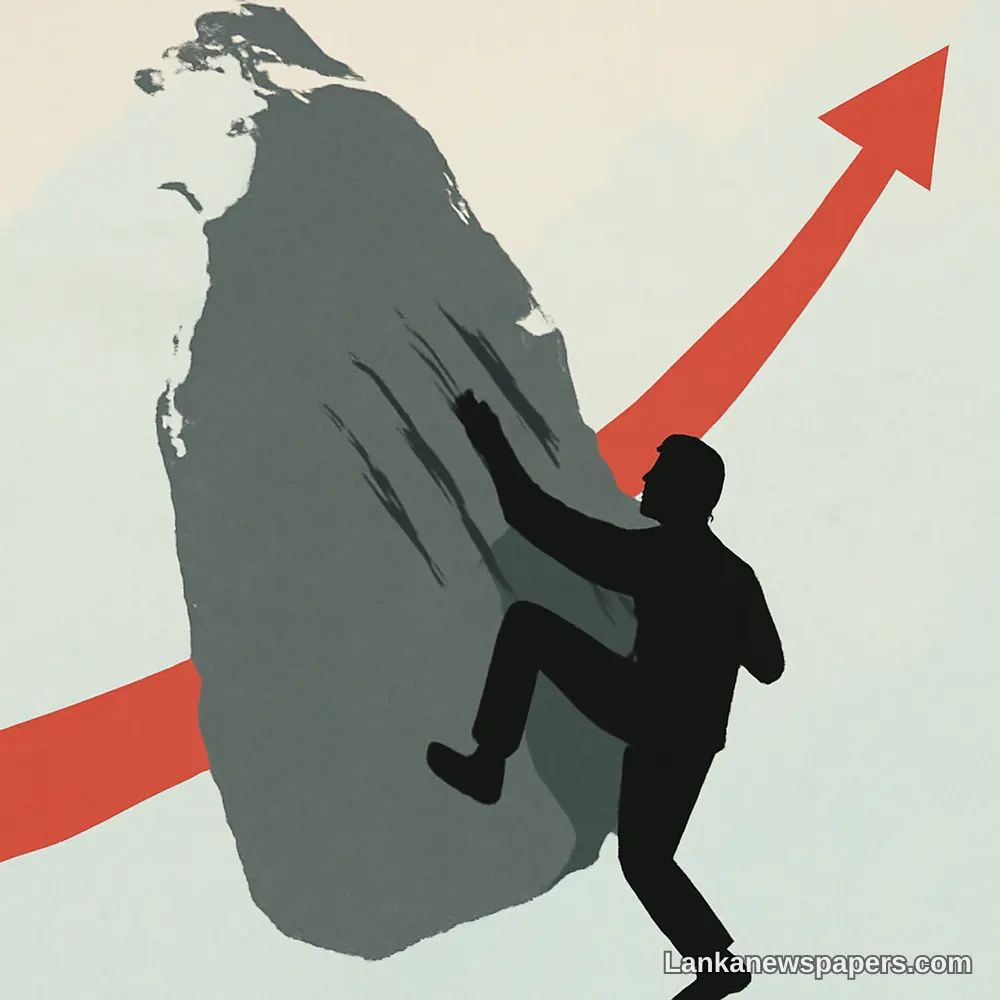
Sri Lanka has reclaimed its upper-middle-income country status, marking a significant economic milestone after enduring one of the most severe financial crises in its modern history — a three-year ordeal that pushed millions into poverty and brought the island nation to the brink of collapse.
A Hard-Fought Economic Recovery
The World Bank classifies countries by gross national income (GNI) per capita, and Sri Lanka's return to the upper-middle-income bracket signals that the painful austerity measures, debt restructuring efforts, and International Monetary Fund (IMF)-backed reforms are beginning to bear fruit. The country had slipped into the lower-middle-income category following the catastrophic economic crisis that erupted in 2022.
At the height of the crisis, Sri Lanka faced crippling foreign exchange shortages, soaring inflation, lengthy power cuts, and acute shortages of fuel, medicine, and essential food items. The situation triggered unprecedented public unrest, ultimately leading to the resignation and flight of then-President Gotabaya Rajapaksa in July 2022.
The Pillars of the Turnaround
Several key factors have underpinned Sri Lanka's economic rehabilitation:
- A landmark debt restructuring agreement reached with both bilateral and private creditors, allowing the country to stabilise its external finances.
- Continued engagement with the IMF under an Extended Fund Facility programme, which provided financial support in exchange for strict fiscal discipline.
- A gradual recovery in tourism revenues, which has served as a vital source of foreign exchange earnings.
- Improved tax collection and government revenue measures aimed at reducing the fiscal deficit.
- Rising remittances from Sri Lankan workers abroad, which helped shore up foreign reserves.
Cautious Optimism Among Economists
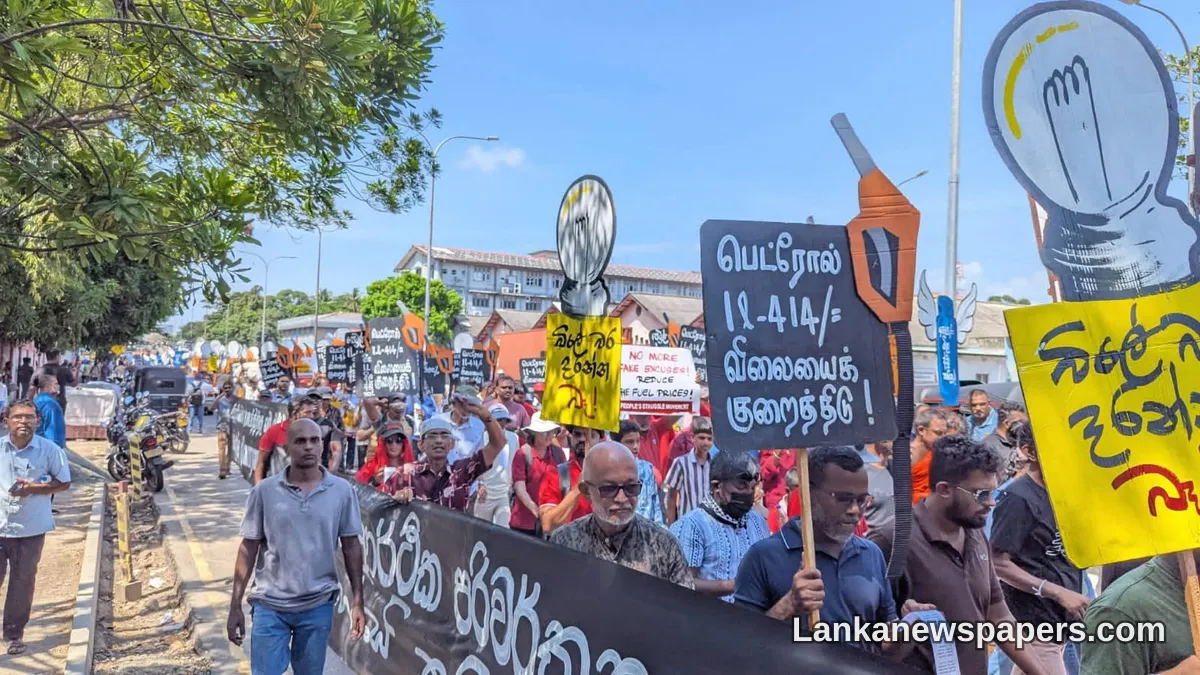
While the reclassification is widely welcomed, economists and policy analysts have urged caution, warning that the recovery remains fragile and unevenly distributed across the population. Many ordinary Sri Lankans continue to feel the weight of high living costs and reduced public services that resulted from years of austerity.
Regaining upper-middle-income status is an important symbolic and practical achievement, but the true measure of recovery will be whether the benefits reach the most vulnerable communities across the country.
Analysts stress that sustained reform, transparent governance, and continued adherence to the IMF programme are essential if Sri Lanka is to consolidate its gains and avoid slipping back into crisis.
What This Means for Sri Lankans
The income reclassification carries practical consequences beyond symbolism. It affects Sri Lanka's eligibility for certain categories of concessional financing and development assistance, meaning the government will need to carefully manage its approach to future borrowing and investment attraction.
For the average Sri Lankan, the hope is that macroeconomic stabilisation will gradually translate into more affordable goods, improved public services, greater employment opportunities, and a restored sense of financial security after years of profound hardship.
Sri Lanka's journey back from the edge serves as both a cautionary tale about the dangers of fiscal mismanagement and a testament to the resilience of its people and institutions when faced with existential economic pressure.

💬 Join the Discussion 1
See what readers are saying — and add your view.
paper status only, our ppl still struggling to buy rice