Sri Lanka Abandons Plan to Lower VAT Registration Threshold in Major Policy Reversal
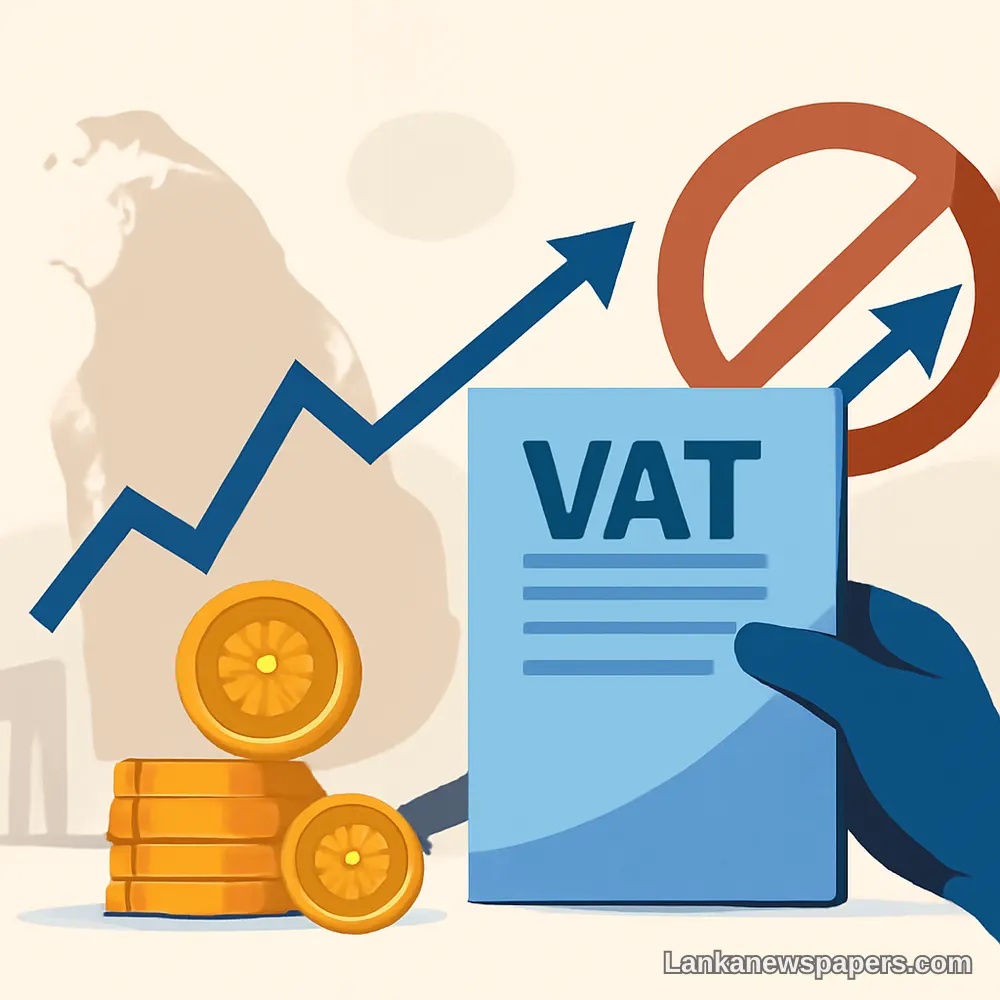
The Sri Lankan government has quietly shelved a controversial proposal to reduce the Value Added Tax (VAT) registration threshold, marking a significant political and economic about-turn that has drawn attention to the administration's preparedness in crafting and implementing fiscal policy.
What Was Proposed?
The government had initially put forward a plan to lower the VAT registration threshold — the minimum turnover level at which businesses are required to register for and collect VAT. The proposal was part of broader revenue-generation efforts pursued under Sri Lanka's ongoing economic reform agenda, which has been shaped in large part by conditions tied to the International Monetary Fund's bailout programme.
Reducing the threshold would have brought a greater number of smaller businesses into the VAT net, theoretically expanding the government's tax base and boosting revenue collection. However, the proposal quickly ran into fierce resistance from multiple fronts.
Parliamentary Committee Exposes the Cracks
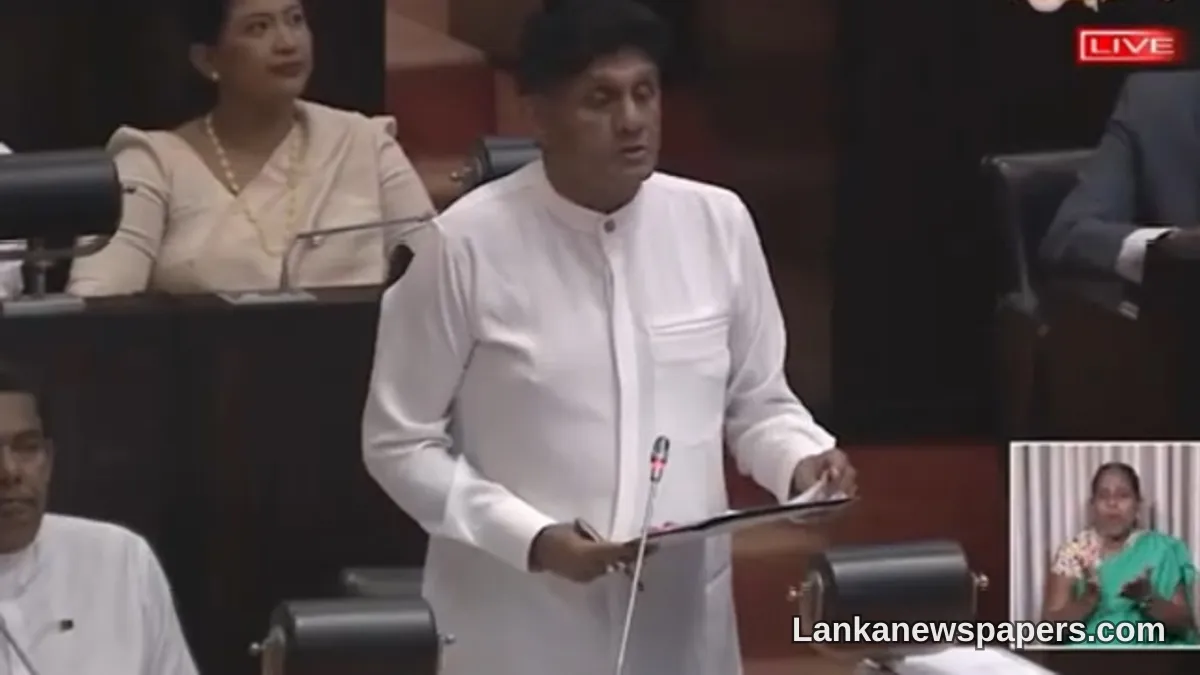
A critical turning point came when the Committee on Public Finance (COPF) scrutinised the proposal and laid bare the government's lack of readiness to actually implement it. The parliamentary oversight body's examination revealed that the authorities had not adequately prepared the administrative and regulatory groundwork necessary to bring the change into effect smoothly.
The exposure of this unpreparedness proved deeply embarrassing for the government and significantly undermined the case for pressing ahead with the threshold reduction. COPF's findings made it increasingly difficult for the administration to defend the policy in the face of growing scepticism from both lawmakers and the business community.
Political and Economic Pressures Mount
Beyond the administrative shortcomings, the proposal also faced mounting political opposition. Concerns were raised that lowering the threshold would place an undue burden on small and medium-sized enterprises (SMEs), which are still struggling to recover from the devastating economic crisis that gripped Sri Lanka in 2022. Critics argued that drawing more small businesses into the VAT system at this stage of recovery risked stifling growth and pushing operators in the informal sector further underground, ultimately undermining the very revenue objectives the policy sought to achieve.
The combination of political resistance, economic concerns, and the damning assessment of implementation unpreparedness left the government with little choice but to abandon the proposal.
A Pattern of Policy Uncertainty
The episode has reignited debate about the consistency and credibility of Sri Lanka's tax policy framework. For businesses attempting to plan ahead in an already uncertain economic climate, abrupt shifts in proposed fiscal measures create additional anxiety and complicate investment decisions.
Observers have pointed out that this is not an isolated instance of a policy being floated and then withdrawn, and have called on the government to undertake more thorough stakeholder consultation and administrative preparation before publicly announcing major tax reforms.
What Happens Next?
With the VAT threshold reduction now off the table, questions remain about how the government intends to meet its revenue targets and satisfy the structural benchmarks set by international lenders. Sri Lanka's economic recovery, while showing some encouraging signs, remains fragile, and fiscal consolidation continues to be a central priority.
The government has yet to announce an alternative approach to broadening the tax base, leaving industry groups and economic analysts watching closely for the next move in what has become a closely scrutinised area of public policy.

💬 Join the Discussion 2
See what readers are saying — and add your view.
Good. Small businesses were already struggling, no need to add more burden.
But they just gave up without a proper plan, thats the problem no?