Sri Lanka Records Over 1,000 Dengue Cases in a Single Day as Health Authorities Sound Alarm
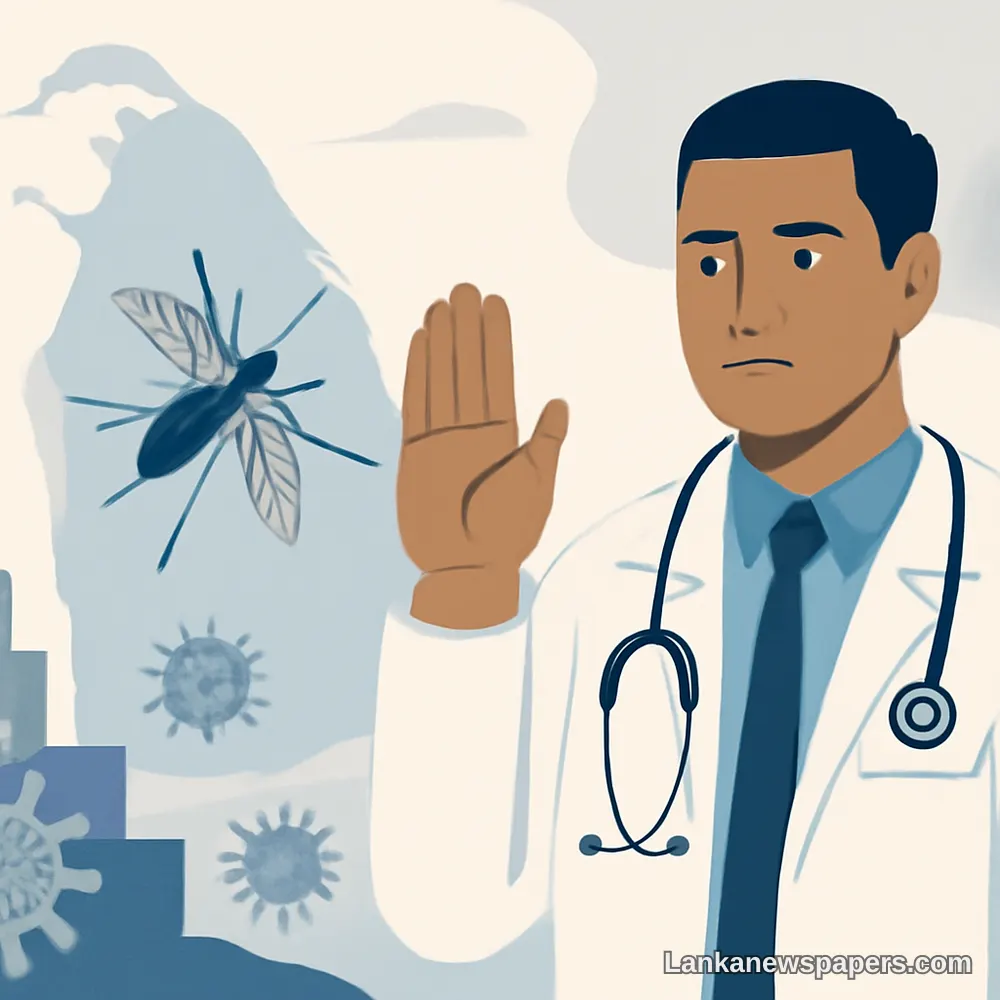
Sri Lanka has reported more than 1,000 dengue fever cases within a 24-hour period, prompting urgent warnings from health experts about the growing risk of mosquito breeding across the island.
A Surge That Cannot Be Ignored
The alarming spike in daily dengue cases has placed public health authorities on high alert, with officials emphasising that the situation demands immediate action from both institutions and ordinary citizens. The crossing of the 1,000-case threshold in a single day signals a dangerous acceleration in the spread of the mosquito-borne illness.
Dengue fever, transmitted through the bite of the Aedes aegypti mosquito, remains one of Sri Lanka's most persistent and deadly public health challenges. Severe cases can progress rapidly, leading to hospitalisation and, in the worst instances, death.
Mosquito Breeding Sites at the Heart of the Crisis
Health experts have pointed to unchecked mosquito breeding grounds as a primary driver behind the current outbreak. Stagnant water collecting in household containers, discarded tyres, blocked drains, and construction sites provides ideal conditions for mosquitoes to reproduce in large numbers.
Authorities are urging the public to take the following preventive steps without delay:
- Empty and clean all water storage containers regularly
- Remove or overturn any objects around the home that collect rainwater
- Ensure drains and gutters remain clear and free-flowing
- Use mosquito nets and repellents, particularly for young children and the elderly
- Seek medical attention immediately upon experiencing fever, joint pain, or rashes
A Call for Community Action
Health officials stress that dengue prevention is not solely the responsibility of the government — every household has a critical role to play in eliminating breeding sites before the situation worsens further.
With Sri Lanka's wet weather conditions continuing to create favourable environments for mosquito proliferation, experts fear that case numbers could climb still higher in the coming days if preventive measures are not adopted swiftly and broadly.
The Ministry of Health is expected to issue further guidance as surveillance teams intensify monitoring efforts across affected districts. Citizens are encouraged to remain vigilant and report potential breeding sites to local health authorities.



💬 Join the Discussion 1
See what readers are saying — and add your view.
every year same thing, goverment does nothing until ppl start dying