Sri Lanka Hits Alarming Milestone: Over 1,000 Dengue Cases Recorded in a Single Day as Death Toll Reaches 28
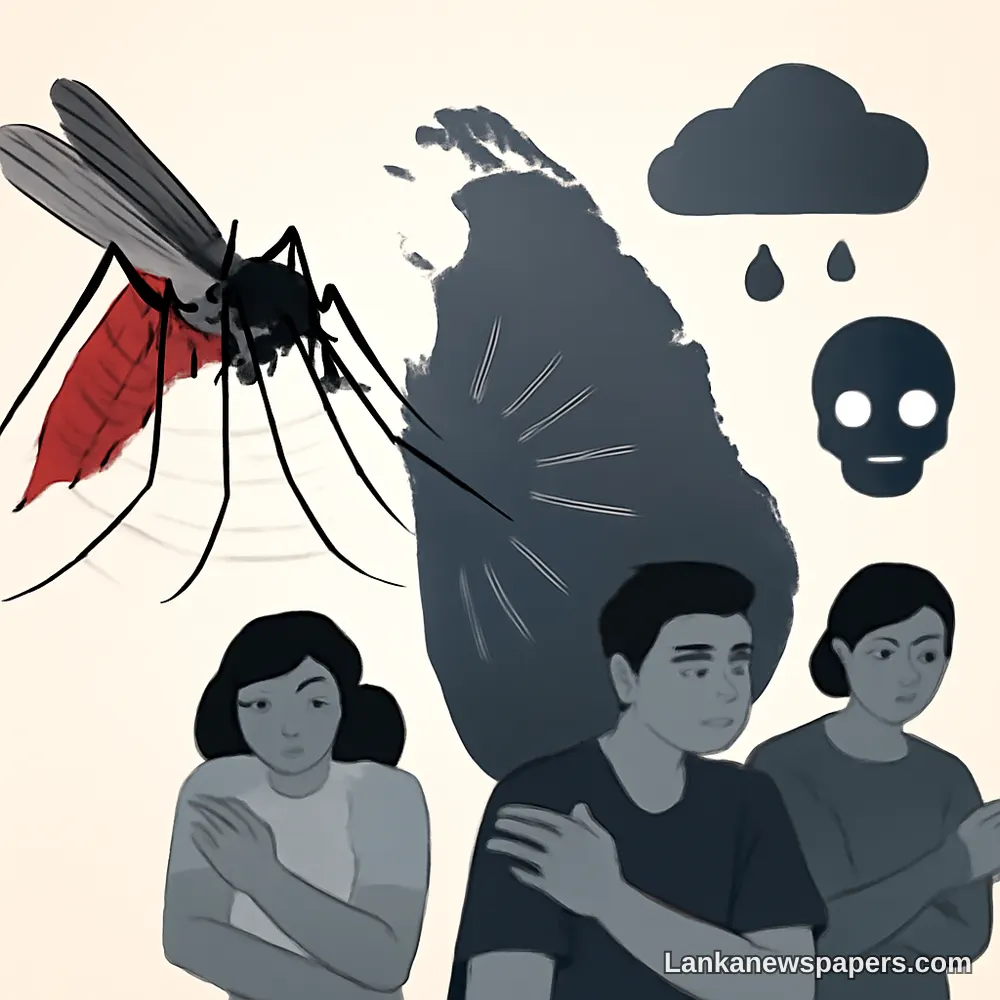
Sri Lanka has crossed a deeply concerning threshold in its ongoing battle against dengue fever, with health authorities confirming that more than 1,000 new infections were recorded within a single 24-hour period — the first time daily case numbers have surpassed that mark.
Record-Breaking Daily Count
A total of 1,069 dengue cases were logged between 6 a.m. Sunday and 6 a.m. the following morning, according to Acting Director of the National Dengue Control Unit, Dr. Kapila Kannangara. The figure represents a stark escalation in the pace of transmission and has raised fresh alarm among public health officials across the island.
The cumulative death toll from the current dengue outbreak has now reached 28, underscoring the potentially fatal consequences of the disease if not detected and treated promptly.
A Mounting Public Health Crisis
Health experts have long warned that Sri Lanka's tropical climate, combined with inadequate mosquito control measures and stagnant water in urban and suburban areas, creates ideal breeding conditions for the Aedes aegypti mosquito, the primary carrier of the dengue virus.
The record single-day count signals that the current outbreak may be intensifying at a rate that demands an urgent and coordinated national response from both government agencies and local communities.
What the Public Should Know
- Dengue fever symptoms include high fever, severe headaches, pain behind the eyes, joint and muscle pain, rash, and mild bleeding.
- Early medical attention is critical — delayed treatment significantly increases the risk of complications and death.
- Eliminating standing water around homes and workplaces remains the most effective prevention measure.
- Residents are urged to use mosquito repellent, wear protective clothing, and ensure windows and doors are properly screened.
Authorities Urge Vigilance
Health officials are calling on all Sri Lankans to take immediate preventive action and to seek medical care without delay if dengue symptoms are suspected.
With the rainy season continuing to create favourable conditions for mosquito breeding, authorities warn that case numbers could rise further in the coming weeks unless communities take active steps to reduce transmission risks. The National Dengue Control Unit is expected to release updated guidance as the situation develops.



💬 Join the Discussion 0
Be the first to share your view on this story.