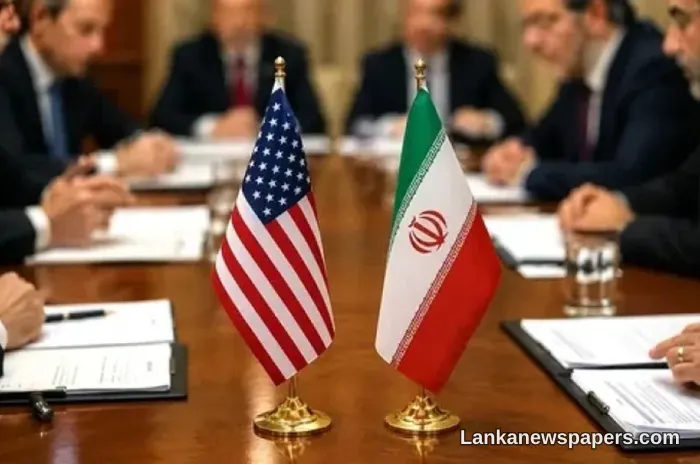
Iran's central military command has announced the closure of the Strait of Hormuz to all maritime traffic, citing what it describes as violations by the United States and Israel as justification for the drastic and far-reaching move.
A Critical Chokepoint Sealed
The Strait of Hormuz, one of the world's most strategically vital waterways, serves as the primary passage for a significant portion of global oil and liquefied natural gas exports. Its closure, if enforced, would send immediate shockwaves through international energy markets and global shipping routes, with consequences felt well beyond the Middle East.
Tehran Points Finger at Washington and Tel Aviv
Iranian military authorities have placed the responsibility for the closure squarely on the United States and Israel, accusing both nations of committing violations that Tehran deemed intolerable. The announcement represents one of the most significant escalatory steps Iran has taken in recent memory, transforming what has long been a recurring threat into declared policy.
Implications for Sri Lanka and the Region
For Sri Lanka, which depends heavily on oil imports passing through or originating from Gulf nations, any prolonged closure of the strait carries serious economic implications. Disruptions to fuel supply chains could trigger price increases at a time when the island nation is still navigating its post-economic crisis recovery.
- A substantial share of global crude oil exports passes through the Strait of Hormuz.
- Sri Lanka sources a considerable portion of its fuel from Gulf Cooperation Council countries.
- Global shipping insurance rates are expected to surge in response to the closure announcement.
International Community on Alert
The announcement has placed governments and shipping companies worldwide on high alert, with naval forces from several nations believed to be closely monitoring developments in the Persian Gulf region. International calls for restraint and de-escalation are expected to intensify in the coming hours and days.
The closure of the Strait of Hormuz by Iran marks a critical moment in the ongoing tensions between Tehran and Western-aligned powers, with the potential to reshape energy security calculations across the globe.
Further details on the scope and duration of the closure, as well as any international response, are expected to emerge as the situation continues to develop.



💬 Join the Discussion 2
See what readers are saying — and add your view.
petrol prices going up again for sure, we are the ones suffering
already 3 times this year no, cant catch a break