Harsha de Silva Sounds Alarm Over Coconut Oil Import Duty's Threat to Export Industry
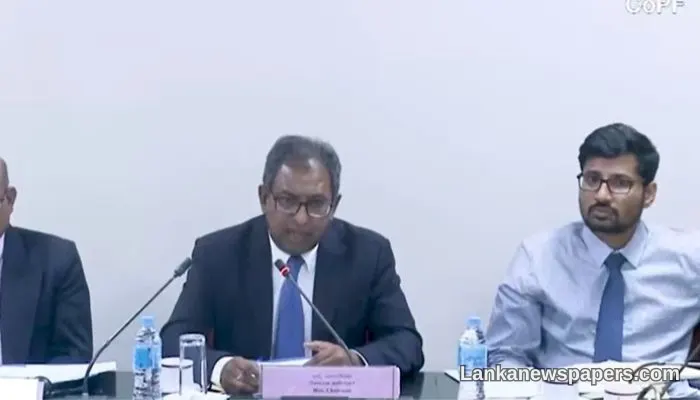
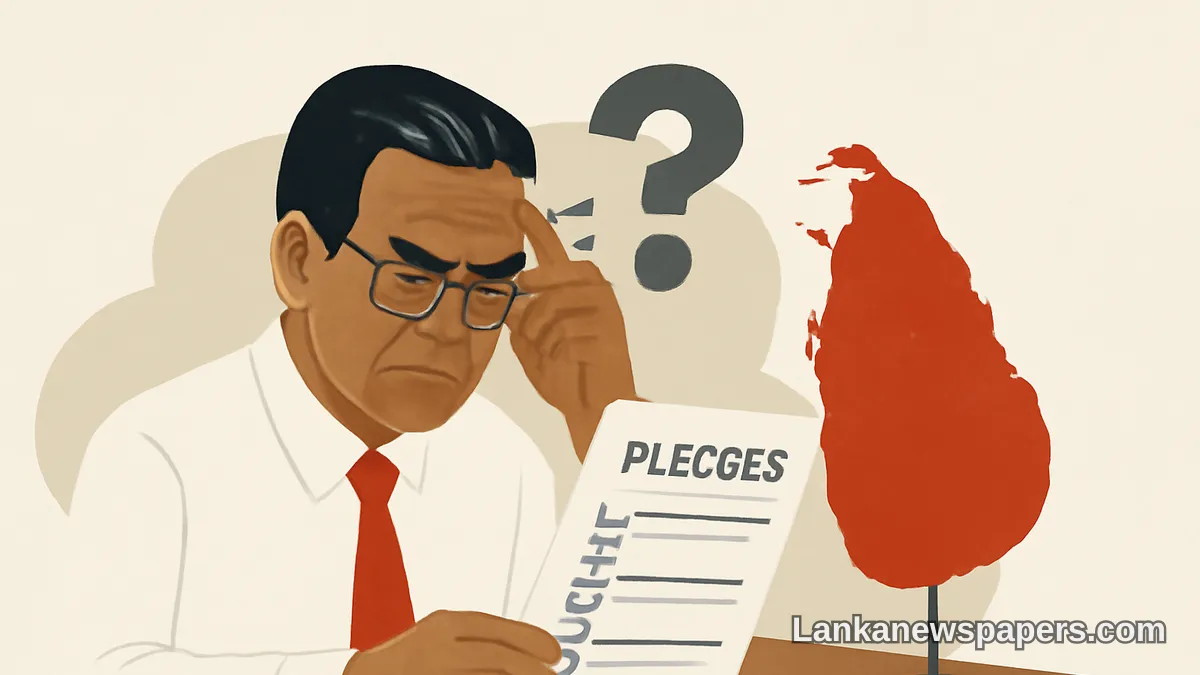
Opposition parliamentarian Harsha de Silva has raised serious concerns that a proposed government duty on coconut oil imports could deal a damaging blow to Sri Lanka's coconut export industry, warning that the policy may produce consequences far more harmful than intended.
A Tax With Unintended Consequences
De Silva, a prominent economic voice within the opposition, cautioned that while the import duty may appear on the surface to be a measure protecting local coconut producers, it risks disrupting the broader supply chain that underpins Sri Lanka's coconut-based export sector.
The MP argued that restricting access to imported coconut oil could increase production costs for local manufacturers who rely on a stable supply of the commodity to produce value-added goods destined for international markets. If those costs rise sharply, Sri Lankan exporters may struggle to remain competitive on the global stage.
Concerns for a Vital Industry
Coconut and its derivative products have long been a cornerstone of Sri Lanka's agricultural export economy. The island nation is among the world's recognised producers of coconut-based goods, including coconut oil, desiccated coconut, and coconut milk, all of which contribute significantly to foreign exchange earnings.
De Silva stressed that any policy affecting this sector must be carefully evaluated for its downstream effects, rather than being implemented without thorough economic analysis.
Any short-sighted intervention in the coconut industry could cost Sri Lanka dearly in terms of export revenue and livelihoods.
Call for Policy Review
The opposition MP urged the government to consult with industry stakeholders, including exporters, processors, and farmer representatives, before moving forward with the proposed tax. He emphasised that a balanced approach was essential to protect both local growers and the export-oriented businesses that depend on affordable raw material supply.
De Silva's warning comes at a time when Sri Lanka is working to rebuild its economy following years of financial turbulence, making the health of key export industries more critical than ever.


💬 Join the Discussion 3
See what readers are saying — and add your view.
goverment always protect the wrong ppl. local millers suffer while they do nothing.
Harsha is right for once. this will kill our export market no doubt.
for once" lol but yes even a broken clock right twice a day