Sri Lanka Moves to Overhaul Customs and Labour Laws in Bid to Escape 12.5% US Tariff Burden
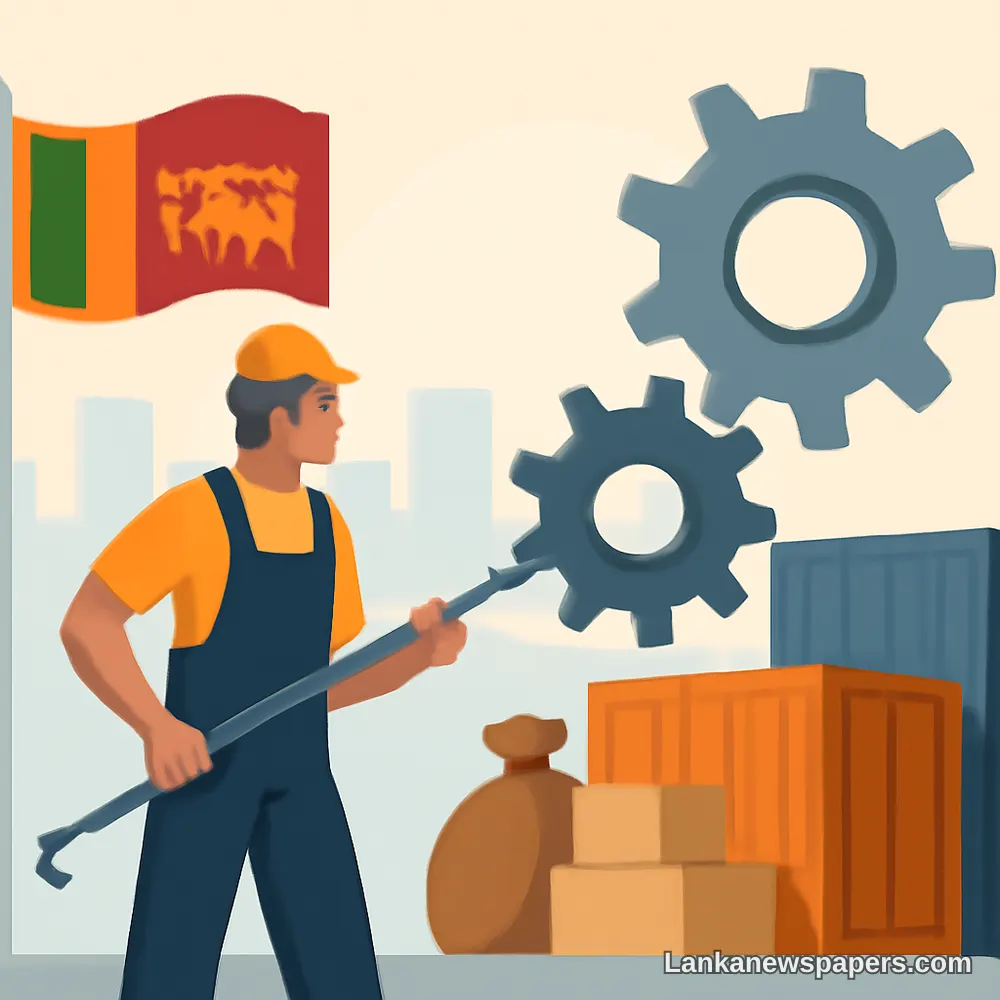
Sri Lanka is preparing a series of sweeping reforms to its customs and labour regulations as part of a strategic effort to secure relief from the 12.5% tariffs imposed by the United States, in what officials are framing as a critical step toward protecting the island nation's export economy.
Why the Reforms Matter
The proposed changes come amid growing concern among Sri Lankan exporters and policymakers over the damaging impact that American tariffs could have on key industries, particularly the garment and apparel sector, which depends heavily on access to the US market. A 12.5% tariff rate threatens to make Sri Lankan goods less competitive against rivals from countries that may secure more favourable trade terms with Washington.
By introducing updated customs procedures and modernising labour standards, Colombo hopes to demonstrate to US trade negotiators that Sri Lanka is a reliable and reform-oriented trade partner worthy of preferential treatment or tariff exemptions.
What Is Being Planned
- Reforms to customs processes aimed at improving trade facilitation and reducing bureaucratic delays
- Updates to labour regulations intended to align Sri Lanka more closely with internationally recognised workers' rights standards
- Broader structural adjustments designed to strengthen Sri Lanka's case during ongoing trade discussions with the United States
The Bigger Trade Picture
Sri Lanka's export sector remains one of the most vital pillars of its economy as the country continues its recovery from the devastating financial crisis of 2022. The United States is among Sri Lanka's most significant export destinations, making any tariff increase a matter of serious national economic consequence.
Officials view the regulatory overhaul not merely as a trade tactic but as an opportunity to modernise outdated systems that have long been identified as obstacles to foreign investment and economic competitiveness.
The government has signalled urgency in pushing these reforms through, recognising that the window for influencing US trade policy decisions may be narrow. Stakeholders across the business community are watching closely, with exporters hoping that swift legislative action can translate into tangible relief at the negotiating table.
Further details on the specific legislative measures and timelines are expected to be announced by relevant ministries in the coming weeks.



💬 Join the Discussion 3
See what readers are saying — and add your view.
how long these law changes will take? years no?
finally doing something useful instead of just talking
doing what exactly? changing laws on paper wont help