Four Chinese Nationals Remanded After Allegedly Poaching Over 250 Animals from Sinharaja Rainforest
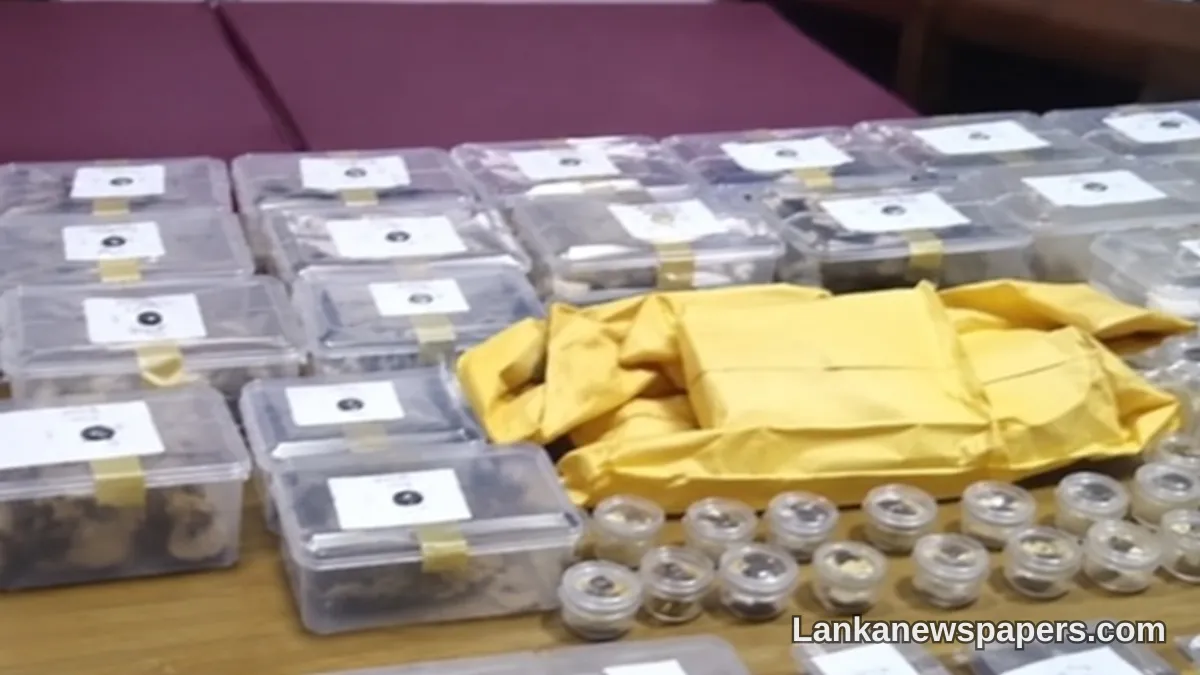
Four Chinese nationals have been remanded by a Sri Lankan court after being arrested in connection with the alleged collection of more than 250 insects and reptiles from the Sinharaja Forest Reserve, one of the country's most ecologically significant and legally protected wilderness areas.
Arrests Inside a UNESCO World Heritage Site
The suspects were apprehended following the discovery that they had allegedly gathered a large number of wild animals from within the Sinharaja rainforest, a UNESCO World Heritage Site located in Sri Lanka's wet zone. The forest is home to a vast array of endemic species and is strictly protected under national environmental legislation.
Authorities confirmed that the haul comprised over 250 specimens, including various insects and reptiles, many of which are believed to be species unique to Sri Lanka and protected under local and international wildlife conservation laws.
Serious Threat to Sri Lanka's Biodiversity
The alleged poaching incident has drawn sharp concern from conservationists and wildlife protection officials, who warn that the illegal collection and trafficking of endemic species poses a severe and growing threat to Sri Lanka's exceptional biodiversity.
- Sinharaja is recognised as one of South Asia's last viable areas of primary tropical rainforest.
- The forest shelters numerous endemic bird, reptile, amphibian, and insect species.
- Wildlife trafficking from protected reserves is a serious criminal offence under Sri Lankan law.
The four individuals, all Chinese nationals, were produced before a magistrate and subsequently remanded in custody, pending further investigations into the matter.
Investigation Ongoing
Wildlife and law enforcement authorities are continuing their investigation to determine the full scale of the alleged operation, including whether the collected animals were intended for illegal export or trade on the international black market, where rare endemic species from biodiverse regions such as Sri Lanka can command significant sums.
The illegal collection of wildlife from protected areas not only violates Sri Lankan law but also causes irreversible damage to ecosystems that have taken millions of years to evolve.
The case has once again highlighted the urgent need for stronger surveillance and enforcement within Sri Lanka's protected forest reserves, particularly in light of growing international demand for exotic and rare species from the region.

💬 Join the Discussion 1
See what readers are saying — and add your view.
deport them immediately. no mercy for people who destroy our forests