Smoking, Vaping or Nicotine Pouches: Which One Poses the Greatest Risk to Your Health?
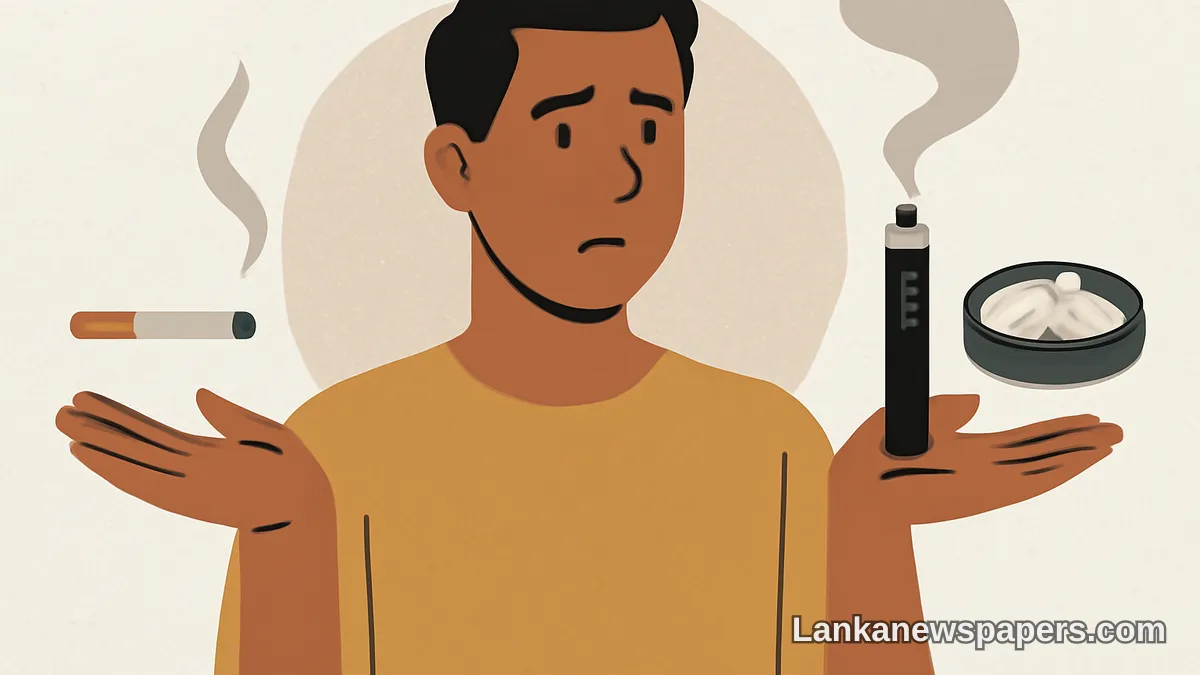
Cigarettes, vapes and nicotine pouches all share one thing in common — they deliver nicotine, the highly addictive substance that keeps users hooked. Yet despite sharing the same core ingredient, the way each product works and the health risks each carries differ considerably. With all three options now widely available in Sri Lanka and across the globe, health experts are urging the public to understand these differences clearly before making any choices about nicotine use.
The Old Danger: Cigarettes
Traditional cigarettes remain the most studied and, by a significant margin, the most harmful of the three. When tobacco is burned, it produces thousands of toxic chemicals, many of which are known carcinogens. Diseases linked to cigarette smoking include lung cancer, heart disease, stroke and chronic obstructive pulmonary disease. The damage caused by smoking is not solely down to nicotine itself, but rather the deadly cocktail of substances released through combustion.
The Newer Alternative: Vaping
Electronic cigarettes, commonly known as vapes, heat a liquid containing nicotine into an aerosol that is then inhaled. Because vaping does not involve burning tobacco, it eliminates many of the harmful by-products associated with combustion. Many health authorities in the United Kingdom and elsewhere have acknowledged that vaping is likely less harmful than smoking for adult smokers trying to quit.
However, this does not mean vaping is without risk. The long-term effects of inhaling vaporised chemicals remain poorly understood, and concerns have been raised about lung inflammation and cardiovascular stress. Vaping has also been strongly criticised for its appeal to young people and non-smokers, potentially drawing a new generation into nicotine dependency.
The Newest Player: Nicotine Pouches
Nicotine pouches are small, tobacco-free sachets placed between the lip and gum, releasing nicotine directly through the oral tissues without any smoke or vapour. Since no inhalation is involved, the lungs are not exposed to harm in the same way as with smoking or vaping.
That said, nicotine pouches are not consequence-free. Regular use has been associated with gum irritation, mouth sores and potential damage to oral tissues over time. The long-term health picture for these products is still being researched, given how recently they entered the market.
What All Three Have in Common
Regardless of the delivery method, nicotine itself is not a benign substance. It raises blood pressure, accelerates heart rate and is particularly harmful during pregnancy, affecting foetal development. Nicotine is also powerfully addictive, which is why quitting any of these products is notoriously difficult.
Health professionals consistently emphasise that the safest option remains avoiding all nicotine products entirely, rather than switching between them.
Where Do They Rank?
Based on current evidence, a broad ranking from most to least harmful would place traditional cigarettes firmly at the top of the danger scale, followed by vaping, with nicotine pouches appearing to carry the lowest risk of the three — though none can be considered safe. The critical caveat is that much of the research on vapes and pouches is still in its early stages, meaning the full picture may yet shift as more data emerges.
- Cigarettes: Most harmful due to toxic combustion by-products and well-documented links to cancer and heart disease.
- Vapes: Likely less harmful than cigarettes for existing smokers, but carry lung and cardiovascular risks and are particularly concerning for young users.
- Nicotine pouches: Currently considered the least harmful option, but oral health risks exist and long-term effects remain under study.
For Sri Lankans navigating these choices, health authorities strongly advise seeking professional guidance rather than assuming any nicotine product is a safe alternative. Those wishing to quit nicotine altogether are encouraged to consult a doctor or certified cessation programme for structured support.



💬 Join the Discussion 1
See what readers are saying — and add your view.
all three are bad men, why we even comparing like one is ok