Sri Lanka Races Towards Commercial Air Taxi Future With Pilotless Drone Technology
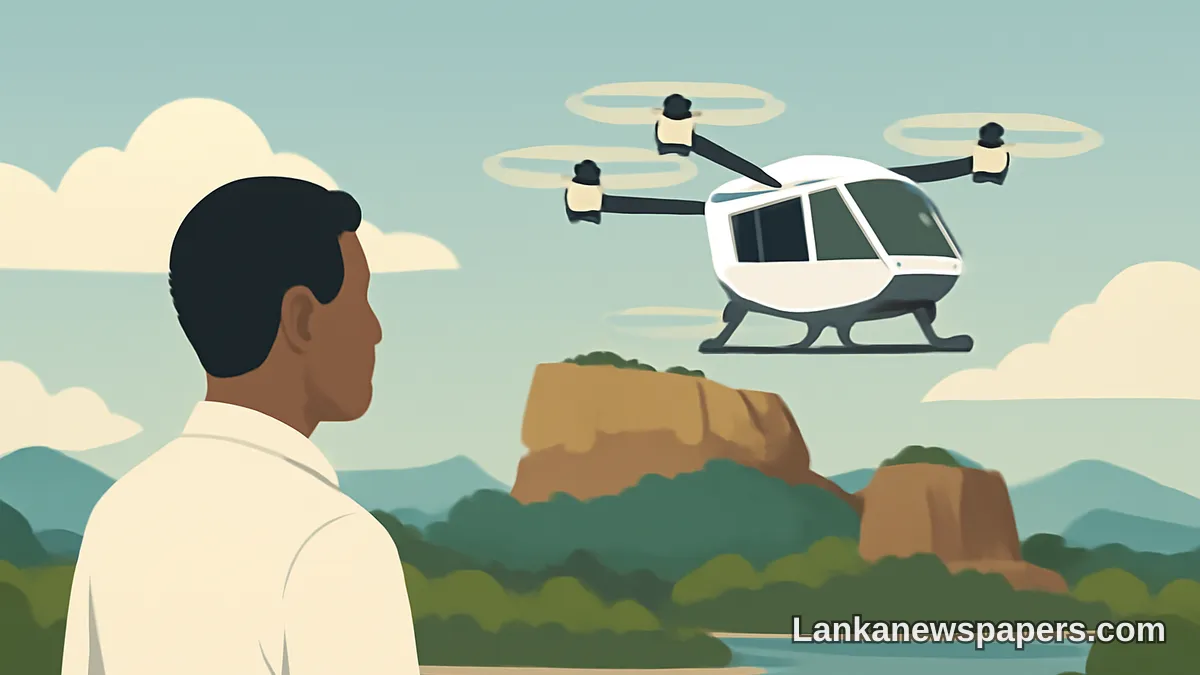
Island Nation Positions Itself as Regional Pioneer in Urban Air Mobility
Sri Lanka is making significant strides towards becoming one of the region's early adopters of autonomous air taxi technology, with authorities accelerating efforts to commercialise pilotless aerial vehicles for passenger transport across the island.
The move signals a bold shift in the country's approach to modern transportation infrastructure, as officials push to establish regulatory frameworks and operational pathways that would allow unmanned air taxis to serve the public on a commercial basis.
A New Chapter for Sri Lankan Transport
The development comes at a time when urban air mobility is gaining momentum globally, with several countries competing to be among the first to integrate autonomous aerial vehicles into everyday transport networks. Sri Lanka's proactive stance suggests the government is keen to position the island as a forward-thinking destination for aviation innovation in South Asia.
Pilotless air taxis, which operate using advanced drone technology and artificial intelligence-driven navigation systems, are seen as a potential solution to urban congestion and connectivity challenges between key locations, including major cities, tourist destinations, and transport hubs.
Regulatory and Commercial Groundwork Underway
Authorities are understood to be working on the necessary legal and safety frameworks required to bring such services into operation. Establishing clear guidelines around airspace management, passenger safety standards, and licensing will be critical steps before any commercial service can take to the skies.
Industry observers note that Sri Lanka's relatively compact geography and growing tourism sector could make it a particularly attractive market for air taxi operators looking to launch services in emerging economies.
What This Means for Sri Lankans
If successfully implemented, commercial air taxi services could offer several tangible benefits to the Sri Lankan public, including:
- Faster travel times between congested urban centres and key destinations
- Improved connectivity to remote or less accessible parts of the island
- New opportunities for the tourism and hospitality industries
- The creation of a new technology-driven employment sector
While the timeline for a fully operational commercial service has not yet been confirmed, the pace at which Sri Lanka is moving on this front has drawn attention from the international aviation and drone technology communities.
The push to commercialise pilotless air taxis reflects a broader national ambition to modernise Sri Lanka's transport ecosystem and attract cutting-edge investment to the country.
As developments continue to unfold, all eyes will be on Sri Lanka to see whether it can turn this ambitious vision into a working reality — and in doing so, write a new chapter in the island's aviation history.



💬 Join the Discussion 0
Be the first to share your view on this story.