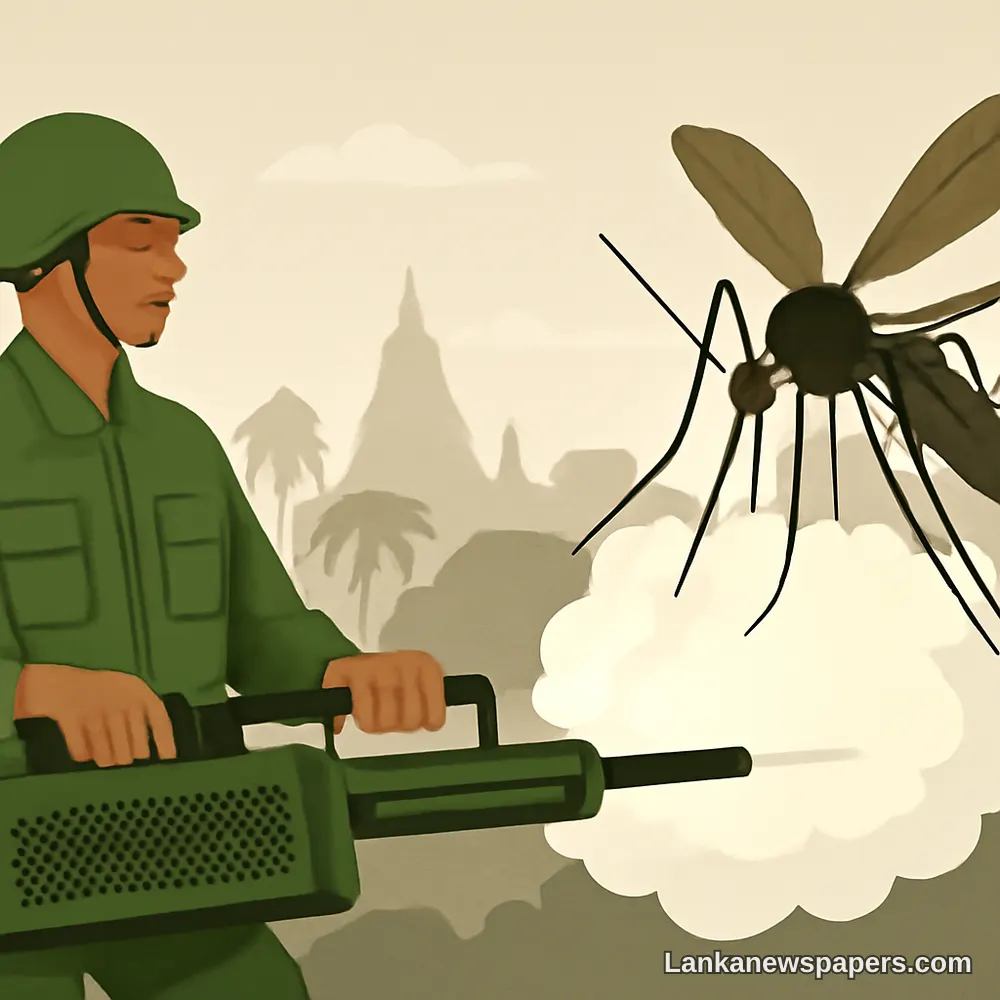
Armed Forces Mobilised as Dengue Crisis Escalates
Sri Lanka has taken the extraordinary step of deploying military personnel to assist in the fight against a worsening dengue fever outbreak, as authorities scramble to contain the spread of the mosquito-borne disease across the island.
A Public Health Emergency on the Rise
The decision to involve the armed forces signals the seriousness with which the government is treating the current dengue situation. Military troops are being utilised to support public health efforts, including the identification and elimination of mosquito breeding grounds in affected communities.
Dengue fever, transmitted through the bite of the Aedes aegypti mosquito, remains one of Sri Lanka's most persistent public health challenges. The disease tends to surge during and after periods of heavy rainfall, when stagnant water provides ideal conditions for mosquito breeding.
What the Deployment Involves
Military units are expected to work alongside health officials and local authorities in carrying out inspections and clean-up operations in high-risk areas. Key activities are likely to include:
- Clearing blocked drains and waterlogged areas around residential neighbourhoods
- Conducting door-to-door awareness campaigns to educate the public on prevention measures
- Assisting health workers in identifying and destroying mosquito larvae habitats
- Supporting medical teams in areas where healthcare resources are stretched
A Recurring National Threat
Sri Lanka has faced recurring dengue outbreaks over the years, with the Western Province — particularly the Colombo district — historically recording the highest number of cases. The disease places a significant burden on the country's healthcare system, affecting thousands of patients annually and, in severe cases, proving fatal.
Public health experts have long stressed that community participation is essential in reducing dengue transmission, as even small volumes of stagnant water in household containers, tyres, or flower pots can serve as breeding sites for mosquitoes.
Public Urged to Take Precautions
Health authorities continue to urge Sri Lankan residents to eliminate standing water around their homes, use mosquito repellents, wear protective clothing, and seek immediate medical attention if symptoms such as high fever, severe headache, or joint pain develop.
The military deployment underscores the government's commitment to treating this outbreak as a national priority, and officials are calling on citizens to cooperate fully with inspections and awareness drives being conducted in their localities.


💬 Join the Discussion 0
Be the first to share your view on this story.