MP Harsha De Silva Flags Tax Inequality Between Local and Foreign Digital Service Providers
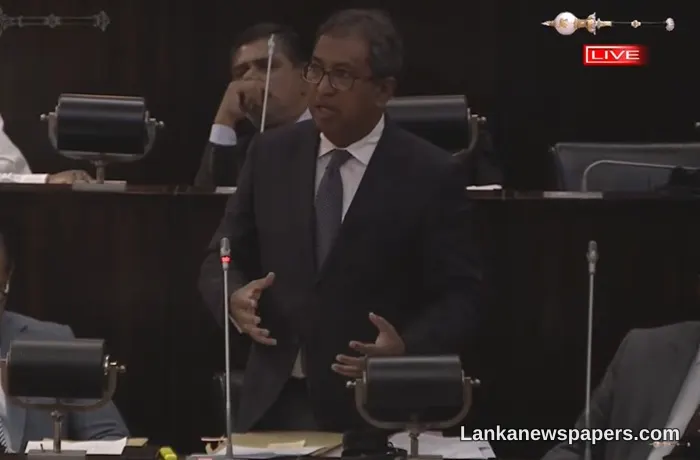
Committee on Public Finance (COPF) Chairman and Member of Parliament Harsha de Silva has raised concerns over what he describes as a tax disparity between resident and non-resident digital service providers operating in Sri Lanka, calling on the government to address the issue of tax neutrality without delay.
The Core Concern
De Silva's intervention centres on what he sees as an uneven playing field in the taxation of digital services. While Sri Lankan-based digital service providers are subject to the full range of domestic tax obligations, foreign or non-resident providers offering similar services to consumers in Sri Lanka may not face the same level of tax scrutiny or burden — a situation the MP argues creates an unfair competitive environment.
The COPF Chairman urged the government to provide clear clarification on how it intends to ensure that both resident and non-resident digital service operators are taxed on an equal and transparent basis.
A Growing Policy Challenge
The question of taxing non-resident digital service providers has become an increasingly pressing issue for governments around the world as global tech giants and online platforms expand their reach into local markets without maintaining a physical presence in those countries.
Sri Lanka, like many developing economies, faces the challenge of capturing revenue from cross-border digital transactions while also ensuring that homegrown businesses are not placed at a disadvantage simply because of where they are registered.
Calls for Policy Clarity
De Silva's concerns reflect broader anxieties within the business and policy community about the fairness and consistency of Sri Lanka's evolving digital economy tax framework. Among the key issues raised are:
- Whether non-resident digital service providers are being adequately identified and brought into the tax net
- How the government plans to enforce tax obligations on foreign entities with no physical presence in Sri Lanka
- Whether current legislation provides sufficient tools to achieve genuine tax neutrality across the sector
The MP's intervention at the Committee on Public Finance signals that lawmakers are paying close attention to the structural gaps in the country's digital taxation policy, particularly at a time when Sri Lanka is working to strengthen its revenue base as part of ongoing economic recovery efforts.
De Silva called on the government to clarify its position on tax neutrality between resident and non-resident digital service providers, emphasising that a level playing field is essential for a fair and functional digital economy.
It remains to be seen how the government will respond to these concerns, but the matter is expected to receive further attention in parliamentary finance discussions in the coming weeks.



💬 Join the Discussion 0
Be the first to share your view on this story.