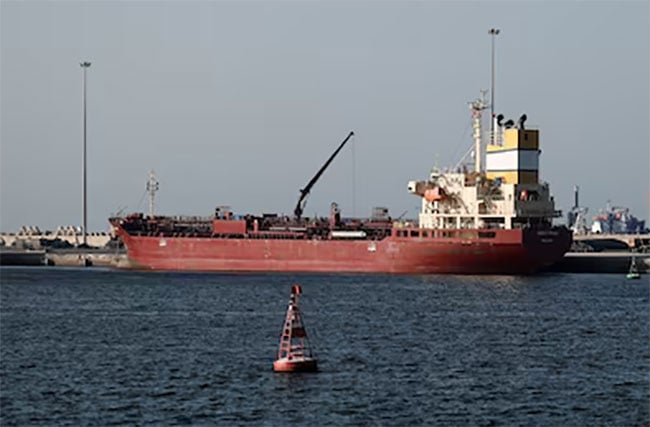
Oil prices dropped by 7% on Tuesday after reaching a three-year high the day before. This decline followed U.S. President Donald Trump's comments, suggesting that the conflict in the Middle East might soon come to an end, which lessened worries about long-term oil supply issues. By 1307 GMT, Brent crude futures had fallen by $7.15, or 7.2%, bringing the price to $91.81 a barrel. Meanwhile, U.S. West Texas Intermediate (WTI) crude fell by $6.26, or 6.6%, to $88.51 a barrel. Earlier in the day, both contracts had decreased by as much as 11%. The trading volume for Brent dropped to approximately 328,000 contracts, marking the lowest level since February 27, just before the start of the U.S.-Israeli conflict over Iran. The WTI volumes also fell to 296,000 contracts, the lowest since February 23. On Monday, oil prices surged past $119 a barrel, the highest since mid-2022, due to supply cuts from Saudi Arabia and other producers that raised fears of significant supply interruptions. However, prices fell after Russian President Vladimir Putin spoke with Trump and proposed a quick resolution to the conflict, as reported by a Kremlin aide, which helped ease supply concerns. In a CBS News interview on Monday, Trump stated that he believed the war against Iran was “very complete” and that the U.S. was “very far ahead” of his initial estimate of four to five weeks for its duration. Suvro Sarkar, the energy sector team lead at DBS Bank, noted, “Clearly Trump’s comments about a short-lived war have calmed markets. While there was an overreaction to the upside yesterday, we think there is an overreaction to the downside today.” He also mentioned that the market was not fully recognizing the risks for Brent at current levels. “Murban and Dubai grades are still well above $100 per barrel, so practically nothing has changed in terms of ground realities,” he explained, referring to key Middle Eastern oil benchmarks.
Politics
Oil sinks 7% as Trump predicts Middle East de-escalation