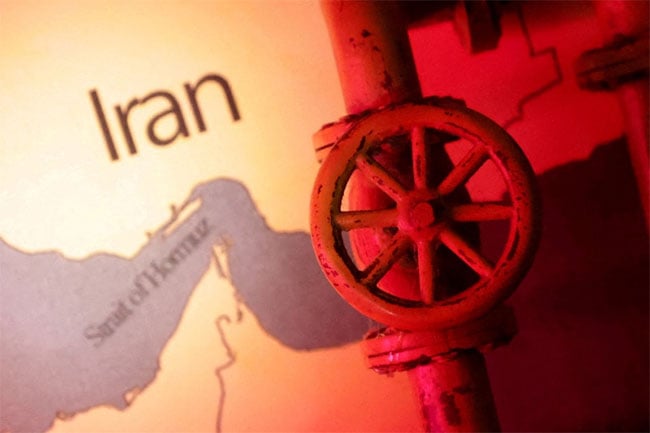
OPEC+ is set to discuss a bigger-than-expected increase in oil production this Sunday, according to two sources from the group. This comes after the recent conflict between the U.S. and Israel against OPEC+ member Iran, which has disrupted oil shipments in the Middle East. OPEC+ often raises oil output to handle such disruptions, but analysts note that the group has limited spare capacity to increase supply significantly, with the exception of Saudi Arabia and the United Arab Emirates. Reports indicate that Saudi Arabia has been boosting its oil production and exports in recent weeks in anticipation of U.S. strikes on Iran. Since Saturday, oil, gas, and other shipments from the Middle East through the Strait of Hormuz have stopped due to a warning from Iran, stating that the area is closed for navigation. OPEC+ will consider raising production by 411,000 barrels per day or more during the Sunday meeting, exceeding the earlier estimate of 137,000 bpd. On Friday, oil prices surged to $73 per barrel, the highest since July, driven by concerns over escalating conflict in the Middle East and potential supply disruptions through Hormuz, which is crucial for global oil transit, accounting for over 20%. Leaders in the Middle East have cautioned the U.S. that a war with Iran could push oil prices above $100 per barrel, according to Helima Croft, a veteran OPEC analyst from RBC. Barclays analysts also predict prices might rise to $100. Croft mentioned that the impact of any significant output increase from OPEC would be limited due to the lack of production capabilities outside of Saudi Arabia. The meeting on Sunday will begin at 1100 GMT and will include only eight OPEC+ members: Saudi Arabia, Russia, the UAE, Kazakhstan, Kuwait, Iraq, Algeria, and Oman. OPEC+ consists of the Organization of the Petroleum Exporting Countries and its allies like Russia, but most production adjustments in recent years have primarily involved these eight countries.
General
OPEC+ debates oil output boost as war disrupts shipments