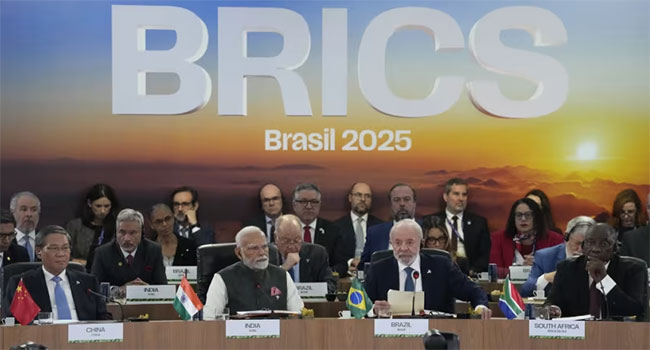
India is preparing to take over the leadership of BRICS next year, leading an expanded group during a crucial time in global politics. This period is marked by differing interests, growing ambitions worldwide, and pressure from the United States. India plans to emphasize that its presidency will focus on the Global South while remaining aware of changes happening globally. The goal is to achieve real results for emerging economies and demonstrate that BRICS can unite members who face similar challenges, even if their national goals differ. This responsibility comes as the group faces increased visibility and attention. BRICS started with Brazil, Russia, India, and China, and South Africa joined shortly after. It has been seen as a rising diplomatic alternative to Western powers. Recently, it has welcomed new members like Egypt, Ethiopia, Iran, the United Arab Emirates, and Indonesia. This bloc now makes up about half of the world's population and nearly 40 percent of the global economy. In July, Indian Prime Minister Narendra Modi suggested a new meaning for BRICS, proposing it stand for Building Resilience and Innovation for Cooperation and Sustainability.
Politics
India set to lead BRICS amid conflicting interests, global ambitions and US pressure