Sri Lanka's Sacred Tuskers in Crisis: How Neglect Is Claiming the Lives of the Island's Most Revered Elephants
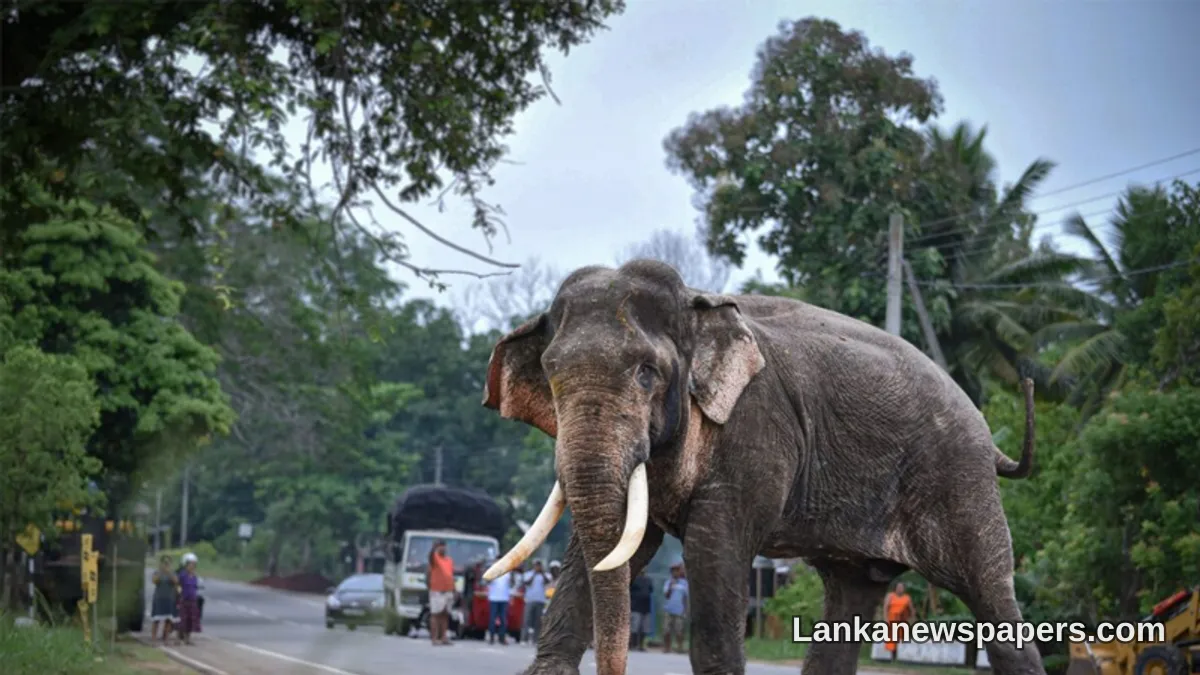
For centuries, Sri Lanka's majestic tuskers have stood as living monuments to the island's cultural heritage, spiritual identity, and natural grandeur. From the legendary Nedungamuwa Raja to the great tusked bulls that roam the dry zone forests, these animals occupy a place in the national consciousness that few creatures anywhere in the world can claim. Yet today, behind the ceremonial pageantry and the political rhetoric, a quiet and devastating betrayal is unfolding.
A Legacy Under Threat
Kavanthissa, one of Sri Lanka's celebrated tuskers, has become a symbol not of national pride but of institutional failure. His story, and the stories of others like him, reflect a broader pattern of neglect that conservationists and wildlife advocates say has been allowed to fester for years beneath a veneer of official indifference.
Sri Lanka is home to one of the most significant wild elephant populations in Asia, and its captive tuskers hold a unique ceremonial and religious role, paraded at peraheras and venerated at temples across the island. However, critics argue that the reverence expressed publicly for these animals is rarely matched by the standard of care they actually receive.
Negligence Behind the Grandeur
Wildlife experts and animal welfare advocates have long raised concerns about the conditions in which many of Sri Lanka's captive elephants are kept. Inadequate veterinary attention, poor nutrition, physical overwork during religious festivals, and prolonged chaining have all been identified as contributing factors to the declining health and premature deaths of several high-profile tuskers.
- Insufficient access to regular veterinary care for captive elephants
- Overuse of elephants in prolonged ceremonial events without adequate rest periods
- Lack of enforceable welfare standards for captive elephant management
- Failure to implement existing wildlife protection legislation consistently
Despite repeated calls from conservationists for systemic reform, authorities have largely responded with reassurances rather than action. The pattern, advocates say, is one of crisis management rather than genuine long-term welfare planning.
Rhetoric Without Reform
Government officials have on numerous occasions pledged to strengthen protections for Sri Lanka's elephant population, both wild and captive. Yet those pledges have rarely translated into meaningful policy change. Funding for wildlife departments remains chronically inadequate, staffing levels are insufficient, and the legal frameworks governing captive elephant ownership are widely considered outdated and poorly enforced.
The tragedy is not simply that these animals suffer — it is that we know they are suffering, and we continue to look away.
This sentiment, echoed by wildlife advocates across the country, captures the frustration of those who have spent years attempting to draw attention to what they describe as a slow-moving catastrophe hiding in plain sight.
The Wider Conservation Picture
Beyond the plight of individual tuskers, Sri Lanka's broader human-elephant conflict continues to claim lives on both sides. Habitat loss driven by agricultural encroachment, deforestation, and poorly planned development projects has forced wild elephants into increasingly close contact with human settlements, resulting in injuries and deaths that have become tragically routine.
Conservation organisations argue that without a fundamental shift in how Sri Lanka approaches elephant welfare — moving from symbolic reverence to substantive protection — the island risks losing not only its most iconic animals but a defining piece of its national identity.
A Call for Accountability
The case of Kavanthissa and the tuskers who have suffered or perished under preventable circumstances demands more than mourning. Advocates are calling on the government to urgently review captive elephant welfare regulations, increase funding for the Department of Wildlife Conservation, and establish independent oversight mechanisms to ensure that the animals Sri Lanka claims to cherish are treated with the dignity that word implies.
Sri Lanka's tuskers have carried the weight of the nation's culture and spirituality on their shoulders for generations. The least the nation can do, campaigners say, is ensure they are not crushed beneath the weight of its neglect.



💬 Join the Discussion 3
See what readers are saying — and add your view.
who is responsible for Kavanthissa now? anyone know?
these animals are sacred to us but goverment cant even feed them properly. shameful.
exactly no. all talk and no action every election time.