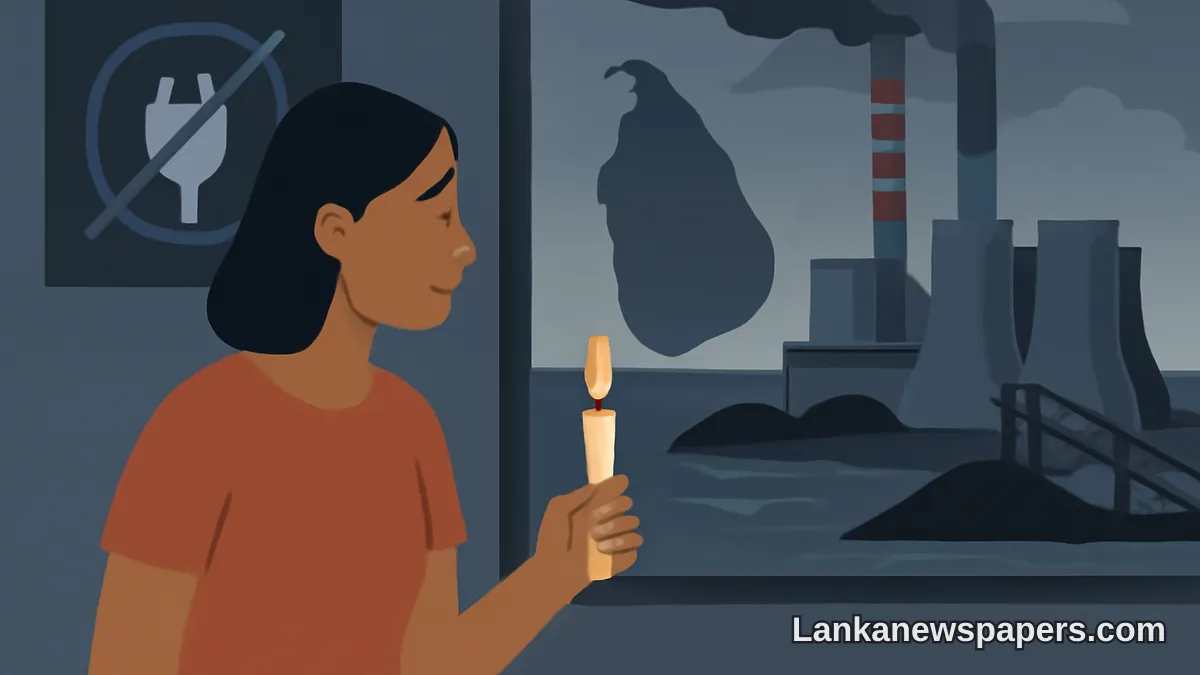
Island Nation Returns to Scheduled Blackouts Amid Energy Crisis
Sri Lanka has been forced to reintroduce electricity rationing across the country following a significant breakdown at one of its key coal-fired power plants, leaving the national grid struggling to meet everyday demand.
The Ceylon Electricity Board (CEB) confirmed that the malfunction at the coal power facility has severely reduced the country's available generation capacity, prompting authorities to implement scheduled power cuts for households and businesses island-wide.
Impact on Daily Life
The power interruptions are expected to affect millions of Sri Lankans who had only recently seen some relief from the prolonged electricity shortages that plagued the country during its worst economic crisis in decades. Residents in both urban and rural areas are now once again having to adjust their daily routines around scheduled blackout periods.
Businesses, particularly small and medium enterprises that rely heavily on a stable power supply, are among those most severely impacted by the latest disruptions. Many have had to resort to costly backup generators to maintain their operations.
Grid Under Pressure
Sri Lanka's power generation infrastructure has long been under strain, with the country heavily dependent on a combination of coal, oil-based thermal plants, and hydropower. During periods of low rainfall, the reduced output from hydropower reservoirs places an even greater burden on thermal generation — making breakdowns at coal plants particularly damaging to supply stability.
The breakdown has once again exposed the vulnerability of Sri Lanka's power sector to single points of failure within its generation network.
Energy authorities are reported to be working urgently to restore the affected unit to service, while also exploring options to bring additional generation capacity online to bridge the shortfall in the interim.
Calls for Long-Term Solutions
The latest crisis has renewed calls from energy analysts and civil society groups for Sri Lanka to accelerate its transition toward more diversified and renewable energy sources, reducing the nation's dependence on ageing coal and oil-fired infrastructure that remains prone to unexpected failures.
The government has previously announced targets for expanding solar and wind energy capacity, though critics argue that progress toward those goals has been too slow to prevent recurring supply crises such as the one now unfolding.
The CEB has urged the public to use electricity sparingly during peak hours to help ease the pressure on the national grid while restoration work continues.


💬 Join the Discussion 0
Be the first to share your view on this story.