Parliamentary Committee Demands Urgent Action on Predatory Microfinance Interest Rates
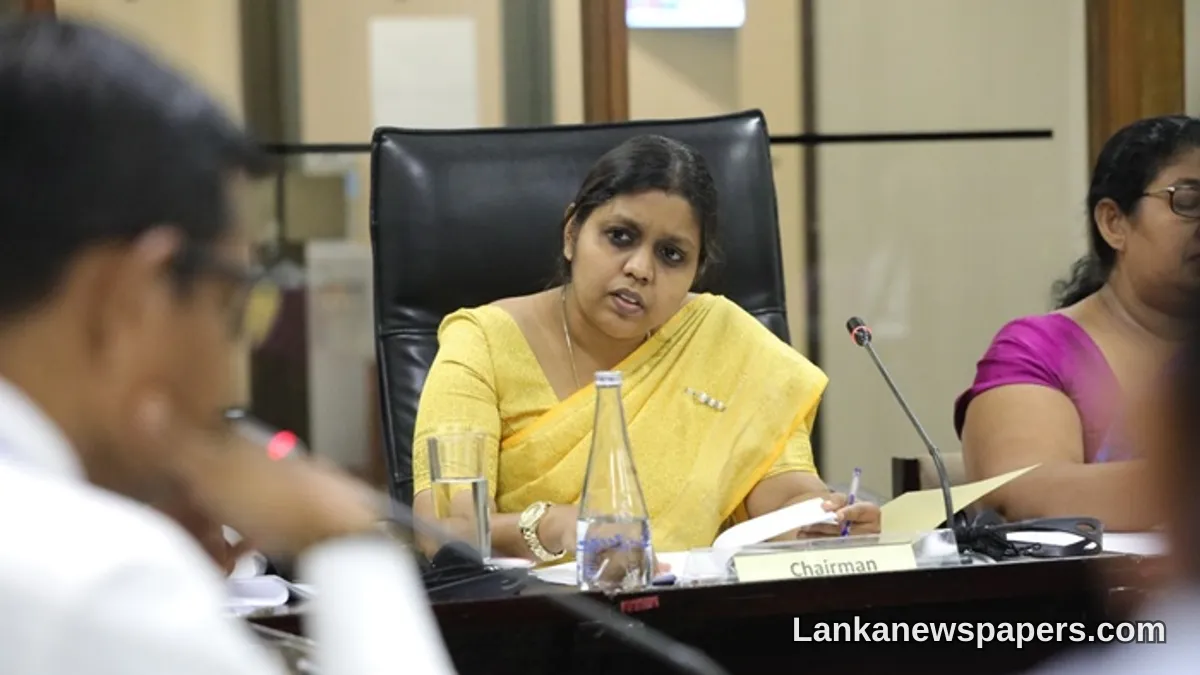
Lawmakers Push for Immediate Reform of Microfinance Sector
Sri Lanka's Parliamentary Sectoral Oversight Committee on Economic Development and International Relations has called for the swift implementation of measures to address excessive interest rates being charged by microfinance institutions across the country, as concerns grow over the financial burden placed on vulnerable borrowers.
Growing Concerns Over Borrower Exploitation
The committee's intervention comes amid mounting pressure from civil society groups and affected communities, particularly in rural areas, where microfinance loans have long been a lifeline for low-income families. Critics argue that the interest rates attached to many of these loans have crossed ethical boundaries, trapping borrowers in cycles of debt that are difficult to escape.
Microfinance institutions have historically played an important role in providing credit access to individuals who fall outside the reach of conventional banking. However, the sector has increasingly come under fire for practices that many describe as predatory, with some lenders charging rates that far exceed what borrowers can reasonably manage to repay.
Committee Urges Regulatory Intervention
The Parliamentary Sectoral Oversight Committee has urged relevant authorities to move quickly in enforcing stricter controls on the interest rates that microfinance lenders are permitted to charge. Lawmakers on the committee expressed concern that delays in regulatory action were continuing to harm some of the country's most economically vulnerable citizens.
The committee emphasised that the speedy implementation of reforms is essential to protect low-income borrowers from exploitative lending practices that undermine their financial stability and wellbeing.
What This Means for Sri Lankan Borrowers
For many Sri Lankan families — particularly women in rural households who make up a significant portion of microfinance borrowers — the issue is far from abstract. High interest repayments have in some cases led to the forfeiture of household assets, emotional distress, and in extreme situations, deeper poverty rather than the financial empowerment these loans were originally intended to deliver.
- Microfinance loans are widely used by low-income and rural communities across Sri Lanka
- Excessive interest rates have been linked to debt traps affecting vulnerable households
- The Parliamentary Oversight Committee is pressing for urgent regulatory reform
- Women borrowers in rural areas are among the most heavily impacted groups
Next Steps
The committee's call for action places renewed pressure on financial regulators and policymakers to establish clear interest rate caps and stronger oversight mechanisms within the microfinance sector. Observers say that timely action will be critical in restoring public confidence in an industry that, when properly regulated, has the potential to drive genuine economic inclusion for Sri Lanka's most marginalised communities.



💬 Join the Discussion 2
See what readers are saying — and add your view.
Finally. These microfinance companies destroying rural families for years already.
Destroying is right. My aunty in Kurunegala still paying 200% interest or something mad like that.