Economists Warn Sri Lanka's Recovery Is Built on Budget Fixes, Not Real Economic Growth
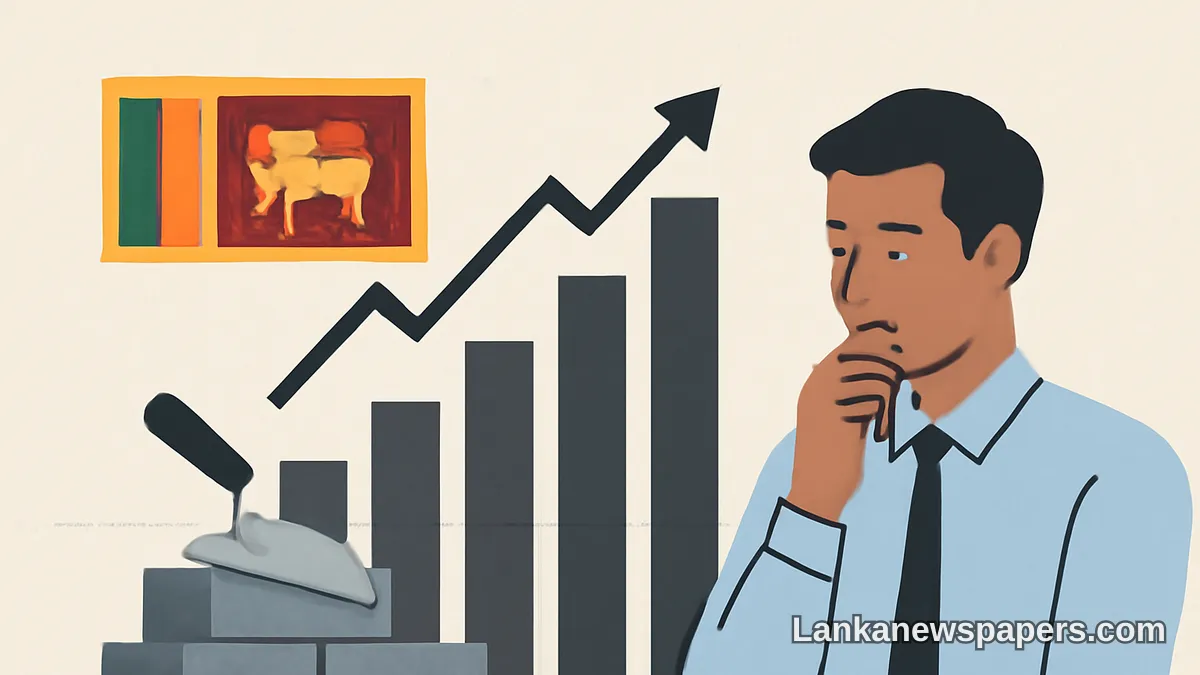
Questions raised over the true nature of Sri Lanka's economic turnaround
Sri Lanka's much-celebrated economic recovery may be more illusion than reality, according to economists and analysts who argue that the country's stabilisation has been driven primarily by fiscal adjustments rather than genuine productive growth across the broader economy.
Fiscal correction versus real recovery
While the government has pointed to improving macroeconomic indicators — including a primary budget surplus, a stabilised exchange rate, and declining inflation — critics contend that these gains reflect belt-tightening measures and debt restructuring progress rather than any meaningful expansion in output, employment, or household incomes.
In essence, Sri Lanka has managed to balance its books to a greater degree, but the lived experience of ordinary citizens tells a different story, with many still grappling with elevated costs of living and reduced purchasing power compared to pre-crisis levels.
The distinction that matters
Economists draw a clear line between fiscal recovery — which involves correcting government revenue and expenditure imbalances — and a real economic recovery, which would be characterised by sustained GDP growth, rising wages, increased investment, and job creation across key sectors such as tourism, manufacturing, and agriculture.
Sri Lanka's current trajectory, observers note, satisfies the conditions of the former without fully delivering on the latter. The International Monetary Fund's Extended Fund Facility programme has provided a framework for fiscal discipline, but structural reforms needed to stimulate private sector growth and attract foreign direct investment remain a work in progress.
Concerns for ordinary Sri Lankans
For the average Sri Lankan household, the distinction is deeply significant. A fiscal recovery stabilises the state's finances and helps restore investor confidence, but it does not automatically translate into improved wages, affordable essential goods, or expanded opportunities in the labour market.
Key concerns raised by analysts include:
- Persistently high cost of living despite falling headline inflation figures
- Sluggish recovery in domestic consumption and private investment
- Continued pressure on small and medium enterprises struggling with high interest rates
- Limited progress in structural reforms needed to boost long-term competitiveness
A cautious path forward
While acknowledging the stabilisation achieved under the current economic management framework, analysts urge policymakers not to conflate fiscal consolidation with comprehensive economic renewal. Sustaining Sri Lanka's recovery over the long term will require deliberate strategies to rebuild productive capacity, expand export revenues, and create conditions in which businesses and workers can genuinely thrive.
The warning serves as a timely reminder that headline numbers, however encouraging, must be matched by tangible improvements in the quality of life for all Sri Lankans before the country's recovery can be considered complete.

💬 Join the Discussion 3
See what readers are saying — and add your view.
so what was all that IMF sacrifice for then
same old story, numbers look good on paper but ppl still suffering
exactly, my salary same since 2022 but everything double the price