Business
Oil rises above $106 per barrel as US, Iran deadlocked in Strait of Hormuz
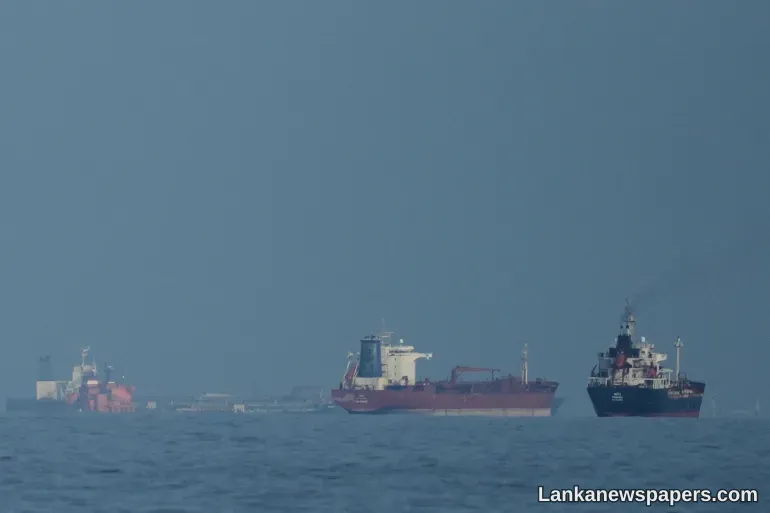
In the US, stock markets fell overnight, with the S&P 500 index declining by 0.41 percent and the tech-heavy Nasdaq Composite down by 0.89 percent. Shipping traffic in the Strait of Hormuz, a crucial route that typically handles about one-fifth of the world's oil and natural gas supply, is currently halted. Iran insists on controlling which vessels can pass, while the US is obstructing Iran's maritime commerce. On Thursday, US President Donald Trump announced via a Truth Social post that he has instructed the US Navy to destroy any Iranian boats that lay mines in the strait. This statement came shortly after the Pentagon revealed it had seized a tanker carrying Iranian oil that was under sanctions for the second time in less than a week. Trump suggested that the US naval blockade might extend beyond Iranian ports, asserting that no ship could enter or exit the strait without US Navy approval. He declared, “It is ‘Sealed up Tight,’ until such time as Iran is able to make a DEAL!!!” Trump's warnings followed a day after the Iranian Islamic Revolutionary Guard Corps (IRGC) reported capturing two foreign cargo ships in the area. The IRGC claimed it seized the Panamanian-flagged MSC Francesca and the Greek-owned Epaminondas for allegedly threatening maritime security by operating without permits and interfering with navigation systems. However, the Greek Ministry of Maritime Affairs and Insular Policy disputed the IRGC's claim, stating that the Epaminondas remains in the captain's control. According to maritime intelligence platform Windward, only nine commercial vessels passed through the strait on Wednesday, a decrease from seven on Tuesday and 15 on Monday. Before the US and Israel initiated their conflict with Iran on February 28, the waterway averaged 129 transits daily, as reported by the United Nations Conference on Trade and Development.



💬 Join the Discussion 0
Be the first to share your view on this story.