Business
Our objective is to ensure Bribery Commission operates as an independent institution- PM Harini
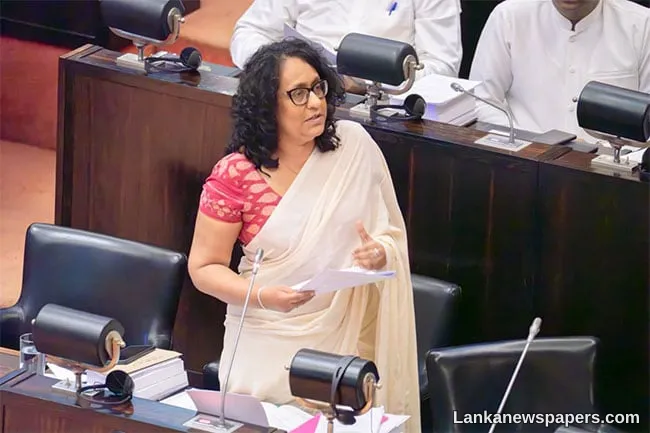
Prime Minister Dr. Harini Amarasuriya stated that the government aims to create an environment where the Commission to Investigate Allegations of Bribery or Corruption can operate independently. This means it should not be influenced by anyone, including Members of Parliament and Ministers. She shared these views during a Parliamentary debate on a temporary resolution about the pay and working conditions for the Commission's officers and employees under the Anti-Corruption Act. Prime Minister Amarasuriya highlighted the importance of the proposal regarding salaries and service conditions for the Commission’s staff. Although the Anti-Corruption Act was enacted in 2023, the Commission only began to show significant activity from 2025. Since then, the Commission has faced various challenges in becoming operational. One major issue has been the difficulty in hiring officers, which has affected its ability to work properly. To improve this situation, the Commission needs to have certain practical conditions in place. These include allowing the Commission to set staff allowances, create operational rules, hire personnel, and prepare budget estimates for its annual plans. When the new Director General took office, there were over 4,000 completed investigation files waiting to have cases filed, along with only about 31 legal officers available. Once this proposal is approved, the Commission will gain the power to hire staff, set necessary allowances, and make its own financial decisions. This change will help the Commission to effectively carry out its mission. The proposal is an important step toward building a new political culture in Sri Lanka, one that fights corruption and supports a transparent public service free from bribery. Additionally, the Prime Minister discussed the country’s approach to the ongoing global energy crisis. She noted that Sri Lanka's economy and energy sector are facing many challenges that are constantly changing and hard to predict. However, it is the government's duty to acknowledge these changes and manage their effects on the economy. In response, the Cabinet decided to form four special committees. One committee will ensure that essential services continue without interruption, while another will focus on energy management in the public sector. A third committee will collaborate with the Procurement Commission to find new ways to acquire energy alongside current methods. The fourth committee will look into the social impacts of the energy crisis, particularly on vulnerable groups, and suggest fair solutions, relief measures, and welfare services. This is a challenge that Sri Lanka must face together. The public service, private sector, political leaders from all parties, and the citizens must unite to overcome this situation, just as they have in the past. The Prime Minister expressed confidence that with strong leadership, management, and timely decisions, the country can successfully navigate these difficulties.


💬 Join the Discussion 0
Be the first to share your view on this story.