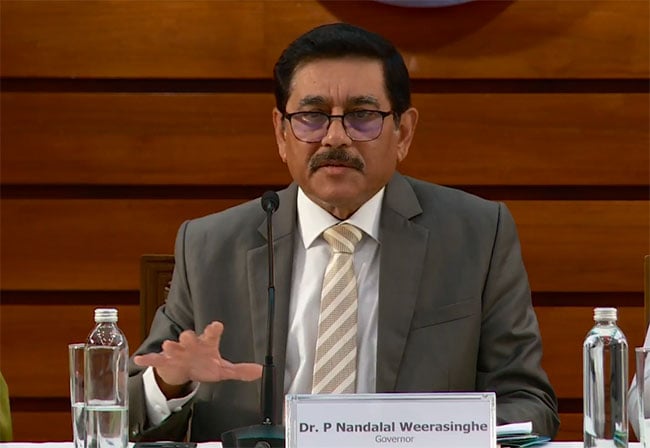
Sri Lanka's remittances from workers have not decreased, even with the current conflict in the Middle East, according to Dr. Nandalal Weerasinghe, the Governor of the Central Bank of Sri Lanka (CBSL). At a media briefing today, on the 25th, Governor Weerasinghe shared that the latest data shows no drop in remittances. In fact, there has been a slight rise in remittances over the past few days. He also mentioned that there have been no reports or inquiries about Sri Lankans returning from the Middle East due to the ongoing situation. However, the Governor recognized a decline in tourist arrivals, noting a drop of about 17% linked to the unstable conditions in the Middle East. Additionally, the Central Bank of Sri Lanka has decided to keep the Overnight Policy Rate (OPR) steady at 7.75%. This decision came after the Monetary Policy Board convened on the 24th and took into account the latest developments affecting both domestic and global situations, especially the uncertainties from the Middle East conflict. The rise in global energy prices and trade disruptions due to increasing geopolitical tensions have led to a necessary rise in domestic energy prices. Currently, inflation in Sri Lanka stands at a low 1.6% year-on-year as of February 2026, which is below the target of 5%. This low inflation rate allows some flexibility to manage the effects of rising energy prices. The Central Bank now expects inflation to hit the target of 5% in the second quarter of 2026, sooner than earlier forecasts, and to stay around that target afterward. The Central Bank also reported that Sri Lanka's economy grew by 5.0% in 2025, despite challenges from Cyclone Ditwah at the end of the year. Early indicators show a strong recovery following the cyclone, but the ongoing conflict could negatively impact the country's economic activity if it continues, the CBSL cautioned.
Business
No reduction in remittances despite conflict in Middle East- CBSL Governor