Politics
UNICEF welcomes Sri Lanka s cabinet approval of Global Charter for Child Care Reforms
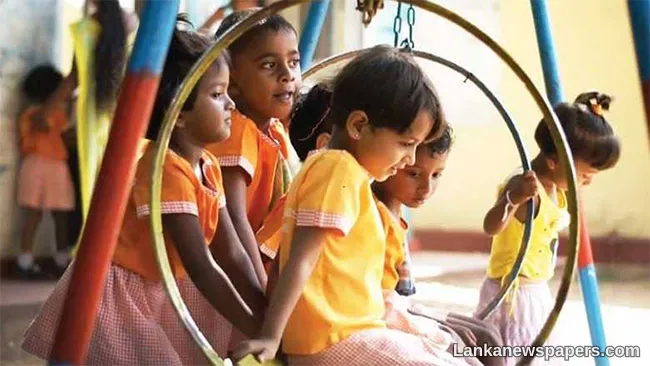
UNICEF has expressed its support for the Cabinet of Sri Lanka's recent approval of the Global Charter for Child Care Reforms. This important decision enhances the protection of children and boosts the momentum for Sri Lanka's ongoing Alternative Care Policy. Over the years, UNICEF has collaborated with the Sri Lankan government to promote care reform. This work includes helping to create the National Alternative Care Policy, conducting a national census of residential care institutions, and developing provincial action plans. These efforts have resulted in a 30 percent decrease in the number of children in institutional care since 2018, according to a statement from UNICEF. More than 6,000 children have been kept from entering institutions, and about 2,000 children have been reunited with their families in the last five years. UNICEF Sri Lanka noted that these successes show what can happen when leadership, evidence, and teamwork come together. However, there are still over 8,000 children in Sri Lanka who live in residential care, many of whom have at least one parent alive. Their placement often stems from issues like poverty, violence, abuse, stigma, or lack of community services. UNICEF stated that the Global Charter offers an important framework to tackle these challenges. Its principles focus on preventing unnecessary separation from families, prioritizing care within families, and gradually moving away from institutional care, which aligns with the ongoing reforms in the Alternative Care Policy. While policies are crucial, UNICEF emphasized that the real change depends on funding and implementation. This includes improving case management systems, expanding support services for families, and ensuring that every child grows up in a safe and nurturing family environment. UNICEF is ready to continue its support for the Government, provincial authorities, and civil society partners to turn this commitment into meaningful change for children.



💬 Join the Discussion 0
Be the first to share your view on this story.