Business
Middle East war means all roads lead to higher prices, slower growth, IMF chief says
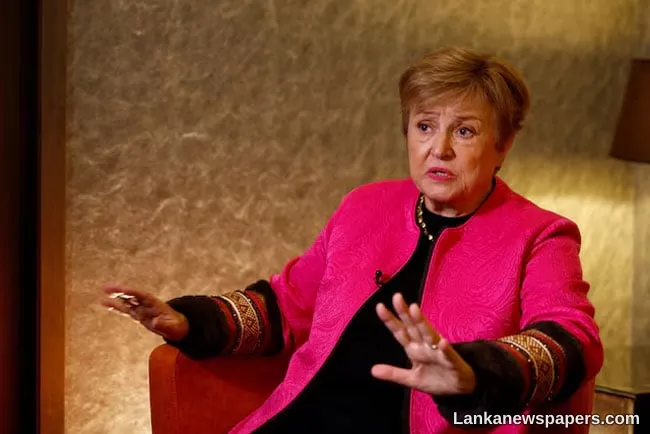
The conflict in the Middle East will cause inflation to rise and slow down global growth, according to the head of the International Monetary Fund (IMF), Kristalina Georgieva. She spoke to Reuters on Monday, just before the IMF is set to release its world economic forecast next week. The war has caused major disruptions in global energy supply, with Iran blocking the Strait of Hormuz. This vital route is responsible for transporting one-fifth of the world’s oil and gas, leading to millions of barrels of oil production being halted. Even if the fighting ends quickly, the IMF plans to lower its economic growth forecast and increase its inflation predictions. The war will be a key topic among finance officials from around the globe at the upcoming spring meetings of the IMF and World Bank in Washington. The IMF will provide various economic scenarios in its World Economic Outlook, which will be published on April 14. A blog post from March 30 hinted at a possible downgrade due to the war's uneven impact and stricter financial conditions. Without the conflict, the IMF anticipated a slight increase in its global growth forecast, predicting growth rates of 3.3% for 2026 and 3.2% for 2027 as economies recover from the pandemic. “Now, all roads lead to higher prices and slower growth,” Georgieva stated, and she will address the spring meetings in a speech on Thursday. World Bank President Ajay Banga will share his insights at an Atlantic Council event on Tuesday. Georgieva described the current situation as one of “elevated uncertainty,” mentioning geopolitical tensions, technology changes, climate issues, and shifts in demographics. “We must remain vigilant for the next shock after we recover from this one,” she warned. Georgieva noted that the war has cut global oil supply by 13%, affecting oil and gas shipments and related supply chains, including helium and fertilizers.


💬 Join the Discussion 0
Be the first to share your view on this story.