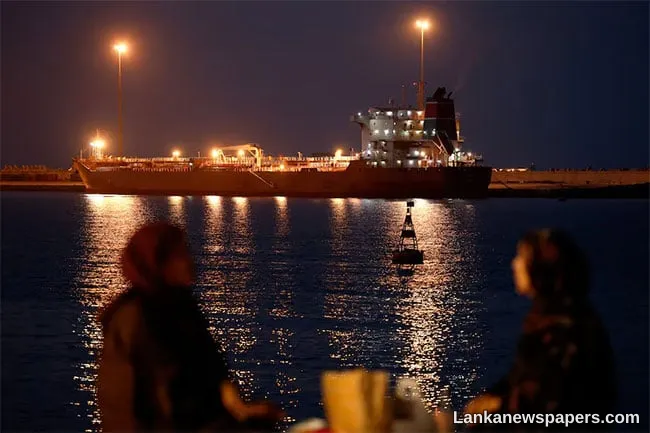
OPEC+ decided on Sunday to increase its oil production quotas by 206,000 barrels per day starting in May. However, this increase is mostly symbolic because key member countries are struggling to boost their output due to the ongoing U.S.-Israeli conflict with Iran. This conflict has effectively closed the Strait of Hormuz, which is the world’s most crucial oil shipping route, since late February. As a result, oil exports from OPEC+ countries like Saudi Arabia, the UAE, Kuwait, and Iraq—who were previously able to raise production—have been significantly impacted. Crude oil prices have jumped to nearly $120 a barrel, the highest in four years. This sharp rise is causing transport fuel prices to soar, putting pressure on consumers and businesses worldwide, and prompting governments to take measures to conserve oil supplies. The increase of 206,000 barrels per day from OPEC+ makes up less than 2% of the oil supply that has been disrupted due to the closure of the Strait of Hormuz. However, OPEC+ officials noted that this change indicates a willingness to boost output once the strait reopens. Consultancy Energy Aspects described the increase as “academic” as long as disruptions in the strait continue. Jorge Leon, a former OPEC official now leading geopolitical analysis at Rystad Energy, stated, “In reality, it adds very few barrels to the market. When the Strait of Hormuz is closed, additional barrels from OPEC+ become largely irrelevant.” During a virtual meeting on Sunday, eight OPEC+ members agreed to this quota increase for May, as confirmed by OPEC+. Aside from the Gulf nations facing disruptions, other members like Russia are also unable to increase output due to Western sanctions and infrastructure damage caused by the ongoing war with Ukraine.


💬 Join the Discussion 0
Be the first to share your view on this story.