Business
Heaviest day of strikes yet on Iran despite market bets that war will end soon
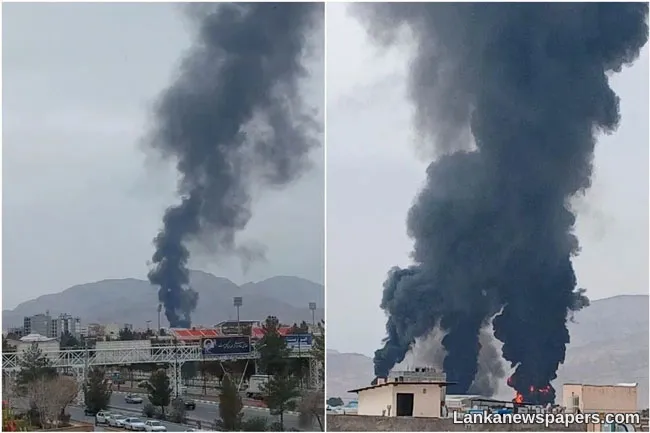
On Tuesday, the United States and Israel launched what has been described as the most severe airstrikes against Iran since the conflict began, according to both the Pentagon and reports from Iran. This escalation comes as global markets are betting that President Donald Trump will soon work to end the war. The Islamic Revolutionary Guard Corps of Iran announced that they would stop oil shipments from the Gulf unless the attacks from the U.S. and Israel come to a halt. On the same day, the Revolutionary Guards claimed to have launched missiles at the U.S.-operated Al Udeid base in Qatar and the Al Harir base in Iraq’s Kurdistan. Following that, they conducted drone strikes targeting U.S. troops at the Al Dhafra air base in the United Arab Emirates and the Juffair naval base in Bahrain. Early Wednesday, Iranian state media reported further attacks on U.S. military sites in Bahrain. Additionally, waves of Iranian missiles were fired at central Israel, causing explosions as air defenses intercepted the rockets, while air raid sirens sounded and people in Israel sought safety in shelters. There has been no immediate confirmation about whether any missiles landed in Israel. Meanwhile, the U.S. destroyed vessels used for laying mines, as Trump issued a warning to Iran regarding the Strait of Hormuz. The timing of these Iranian attacks coincided with a new Israeli strike on Beirut, targeting the Iran-supported group Hezbollah, which has been firing into Israel in support of Iran. The White House reiterated Trump’s warning to take strong action against Iran for attempting to disrupt energy supplies through the Strait of Hormuz, a crucial route where one-fifth of the world’s oil and liquefied natural gas shipments have been impacted by the conflict. Trump also reiterated his offer for the U.S. Navy to escort tankers safely.



💬 Join the Discussion 0
Be the first to share your view on this story.