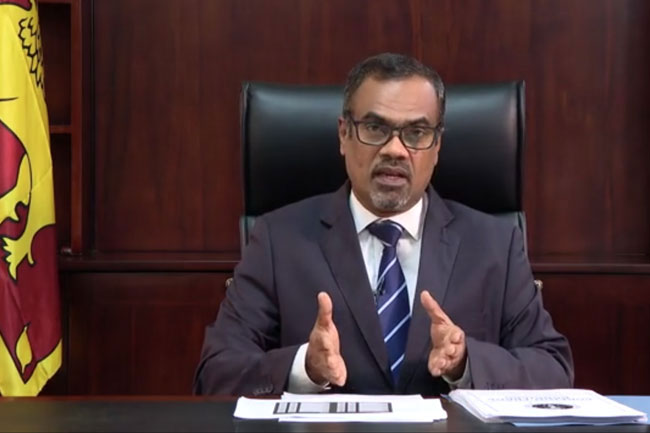
Sri Lanka anticipates its economy will grow by over 5% in 2026, keeping pace with this year’s growth and surpassing IMF predictions. This growth is partly due to reconstruction efforts after Cyclone Ditwah, as stated by a senior minister in a Reuters report on Wednesday. The cyclone struck in late November, resulting in nearly 650 fatalities and impacting around 10% of the country’s 22 million residents. It caused extensive damage to infrastructure, agriculture, and tea plantations, with rebuilding costs estimated at up to $7 billion. This comes as Sri Lanka is still recovering from an economic crisis in 2022. The island nation has been receiving financial support through an IMF bailout program, and additional emergency aid has been pledged by international organizations and foreign nations to help it deal with its worst natural disaster since the tsunami in 2004. Recently, the Asian Development Bank announced a commitment of $200 million for Sri Lanka, while the World Bank pledged $120 million. Dr. Anil Jayantha Fernando, the deputy minister of finance and planning, mentioned that the IMF is likely to approve an emergency funding request of $200 million on Friday. He noted, “With the quick response and support from agencies along with ongoing development programs, I believe growth will not be hindered. Instead, it might increase; new investments may come for the reconstruction and repair of damaged infrastructure. Technically, this will not slow down but will likely rise.” He also reported that growth this year is expected to exceed 5%, which is higher than the central bank’s prediction of 4.5%, based on data from the first three quarters. He anticipates similar growth next year. The IMF forecasts a growth rate of 3.5% in 2025 and 3.1% in 2026. To rebuild homes, restore roads and railways, and revive livelihoods, Fernando indicated that the government plans to reallocate funds from other sectors, increase tax revenue, and seek additional international assistance.
Business
Sri Lanka forecasts 5% growth in 2026, aided by post-cyclone reconstruction