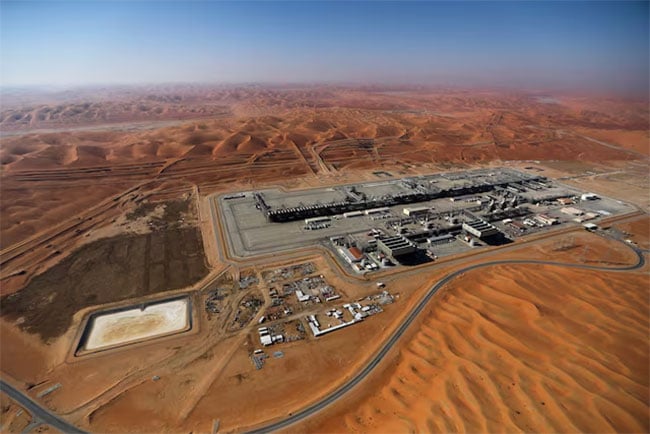
Oil prices are expected to rise further when markets open on Monday, as the U.S.-Israeli conflict with Iran continues into its third week. This ongoing situation puts oil facilities at risk and keeps the Strait of Hormuz shut, leading to significant disruptions in global oil supply. U.S. President Donald Trump has warned of additional strikes on Iran’s Kharg Island oil export hub, which Iran has vowed to retaliate against. Both Brent and U.S. West Texas Intermediate crude futures have already jumped sharply, causing concern in global financial markets. So far this month, these prices have climbed over 40%, reaching their highest marks since 2022. The U.S.-Israeli attacks on Iran have led Tehran to stop oil shipments through the Strait of Hormuz, a crucial passage that carries one-fifth of the world's oil supply. Trump has called on countries like China, France, Japan, South Korea, and Britain to send warships to protect this important route. On Saturday, the U.S. targeted military sites on Kharg Island, which led to Iranian drone strikes on a major oil terminal in the United Arab Emirates. Analysts from JP Morgan, led by Natasha Kaneva, noted that this escalation in conflict is significant and stated, “Until now, the region’s oil infrastructure has largely been spared.” They identified the UAE’s Fujairah, along with Saudi Arabia’s Ras Tanura export terminal and Abqaiq oil processing facilities, as critical and highly vulnerable energy sites in the Gulf. However, a source from Fujairah mentioned that oil loading operations there have resumed as of Sunday.
Politics
Oil poised for further gains as Middle East conflict threatens export facilities