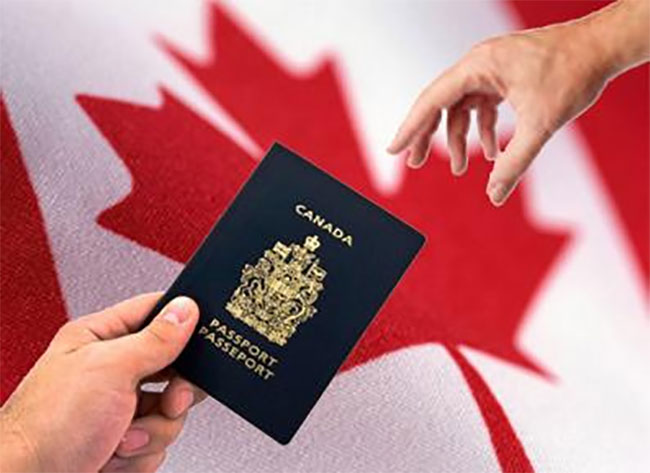
On Wednesday, Canada announced new immigration categories to attract skilled workers in various fields, including research, healthcare, and aviation, while also welcoming certain military recruits. These changes support Prime Minister Mark Carney’s aim to lower the overall number of new permanent residents in Canada. The goal is to recruit talented workers and enhance defense capabilities, reducing reliance on the United States. The government stated that these adjustments aim to bring immigration back to manageable levels while addressing workforce needs in important industries. In recent years, Canada has tried to decrease the number of immigrants to relieve pressure on housing and social services. Immigration Minister Lena Metlege Diab mentioned that the 2026 updates to the Express Entry system will help draw in talent that can “contribute from day one,” especially as Canada deals with labor shortages in vital sectors. The new categories will include researchers, senior managers, transport workers like pilots and aircraft mechanics, and foreign medical doctors with experience in Canada. Additionally, it will encompass highly skilled military applicants recruited by the Canadian Armed Forces, such as military doctors, nurses, and pilots. “Canada’s future relies on a workforce prepared for a changing economy,” Diab said in her statement. On Tuesday, Carney unveiled a new defense strategy aimed at increasing government funding for defense-related research and development by 85% over the next ten years, raising defense industry revenues by over 240%, boosting defense exports by 50%, and creating up to 125,000 high-quality new jobs. Like other NATO nations, Canada is committed to raising defense spending to 5% of its gross domestic product by 2035. Existing Express Entry categories, including those for French-speaking candidates, healthcare workers, and skilled trades, will continue alongside the newly targeted streams.
Popular News