LNP – Invitation only for Shah Rukh Khan event
City of Dreams Sri Lanka, South Asia’s first integrated resort, announced that its grand opening on 2 August 2025 will be strictly by invitation only.
Read more
Sri Lanka's Largest Open Newspaper Forum
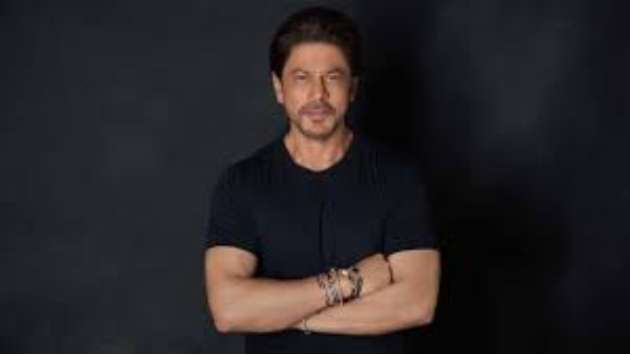
City of Dreams Sri Lanka, South Asia’s first integrated resort, announced that its grand opening on 2 August 2025 will be strictly by invitation only.
Read more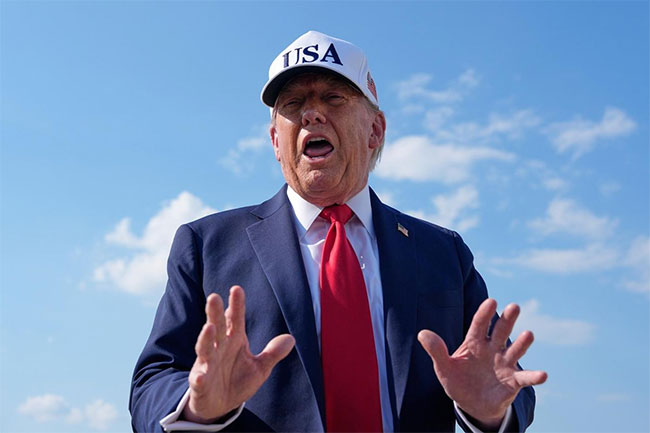
President Donald Trump said Washington will start sending letters to countries on Friday specifying what tariff rates they will face on imports to the United States, a clear shift from earlier pledges to strike scores of individual deals.
Read more
Sri Lanka’s GDP could decline by up to 1.5 percent if the United States reinstates a 44 percent tariff on Sri Lankan exports and lowers tariffs on competitor trading partners, according to an IMF country report.
Read more
AliExpress has officially suspended several of its budget shipping options to Sri Lanka and Pakistan following the implementation of revised customs tax regulations by the respective authorities.
Read more
Sri Lanka Customs has firmly rejected claims circulating on social media regarding the introduction of a new tax on small parcel imports clarifying that recent procedural changes are intended solely to ensure the accurate application of existing customs duties based on product value and classification.
Read more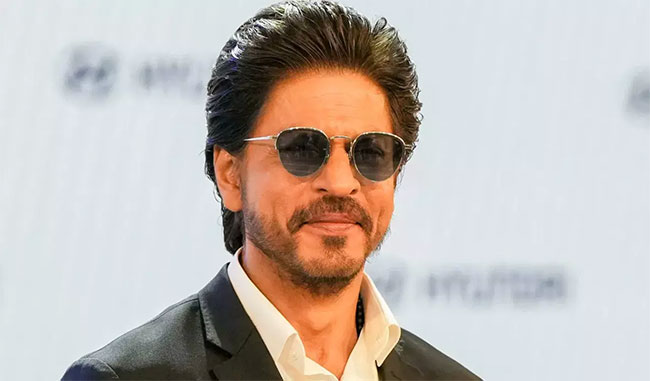
Bollywood star Shah Rukh Khan is scheduled to arrive in Sri Lanka on 2 August.
Read more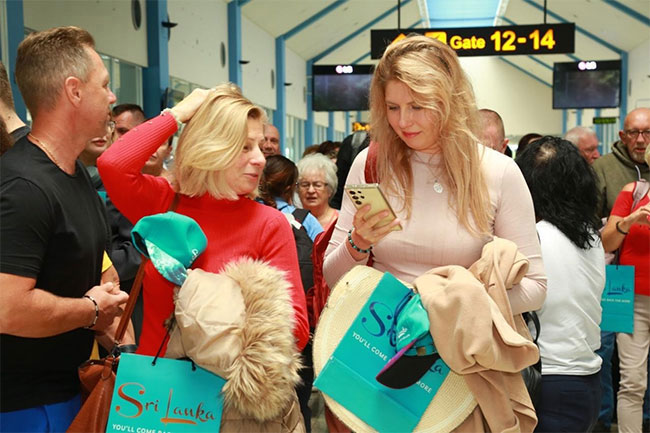
A total of 138,241 tourists arrived in the country in June 2025, data from the Sri Lanka Tourism Development Authority (SLTDA) shows.
Read more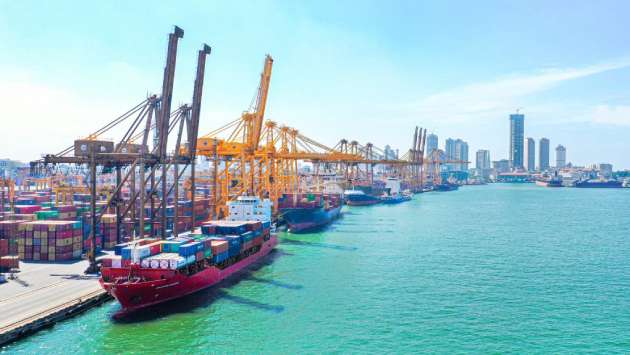
India is poised to secure another strategic investment in Sri Lanka with plans by its public sector company under the Indian Defence Ministry, ‘Mazagaon Dock Shipbuilders (MDL)’ for acquiring a majority stake in Colombo Dockyard PLC (CDPLC).
Read more
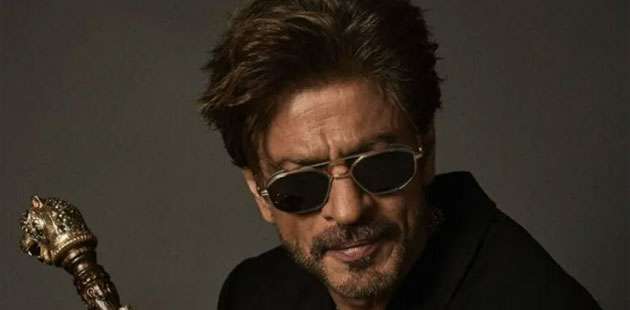
Bollywood star Shahrukh Khan is slated to perform in Colombo this year.
Read more